Kehen Temple
Kehen Temple: A Spiritual Marvel in Kintamani, Bali
Kehen Temple is a cultural gem with roots in the 11th century, nestled amid the emerald landscapes of Bangli, Bali. Renowned for its intricate architecture and historical significance, Kehen Temple stands as a testament to Bali’s rich spiritual heritage. Dedicated to the Hindu deities, particularly Lord Brahma, Vishnu, and Shiva, this temple serves as a vibrant hub for religious ceremonies, cultural festivities, and contemplative moments.
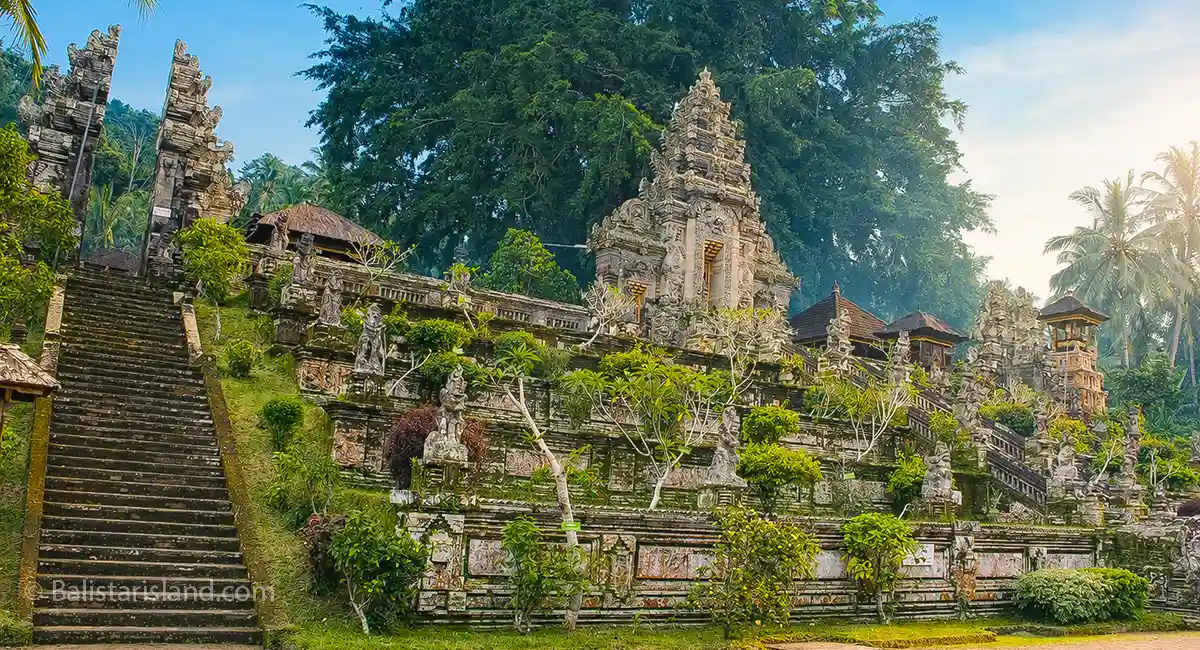
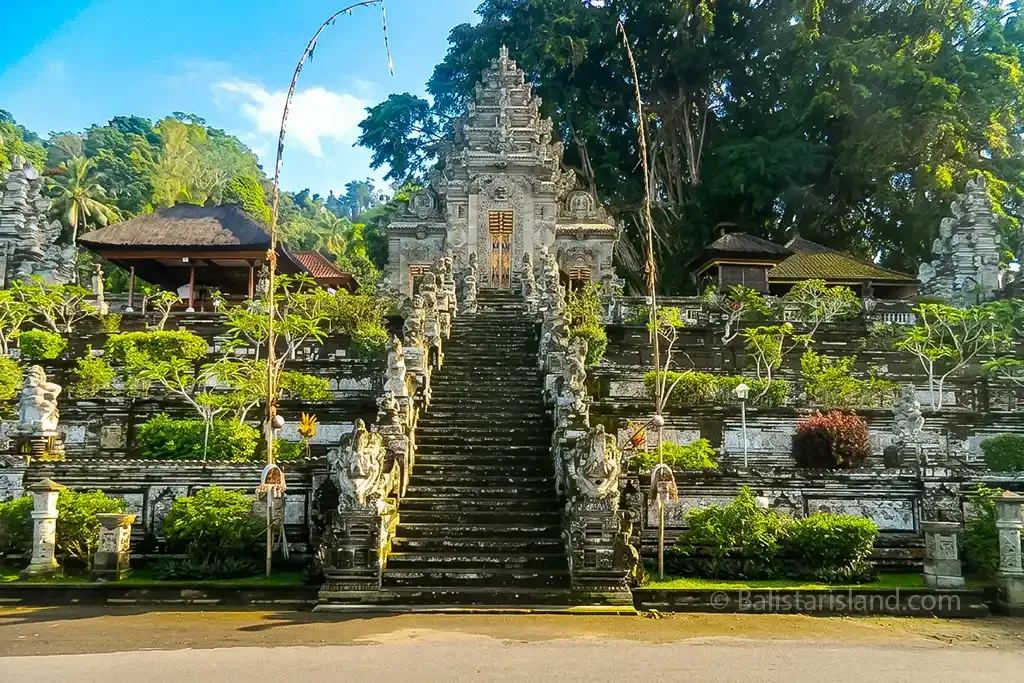
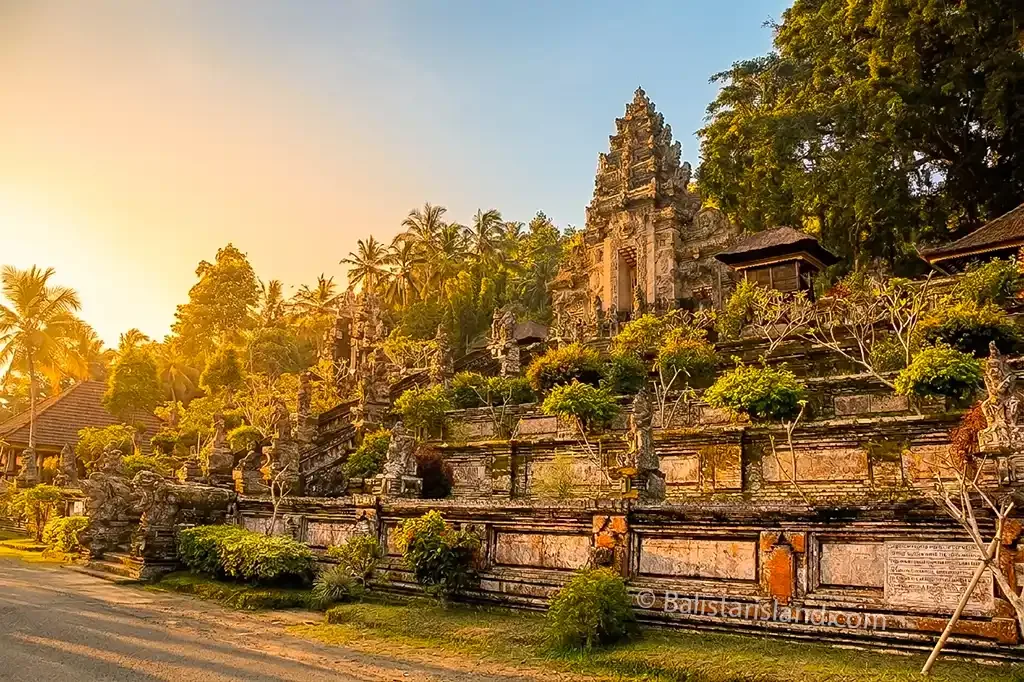
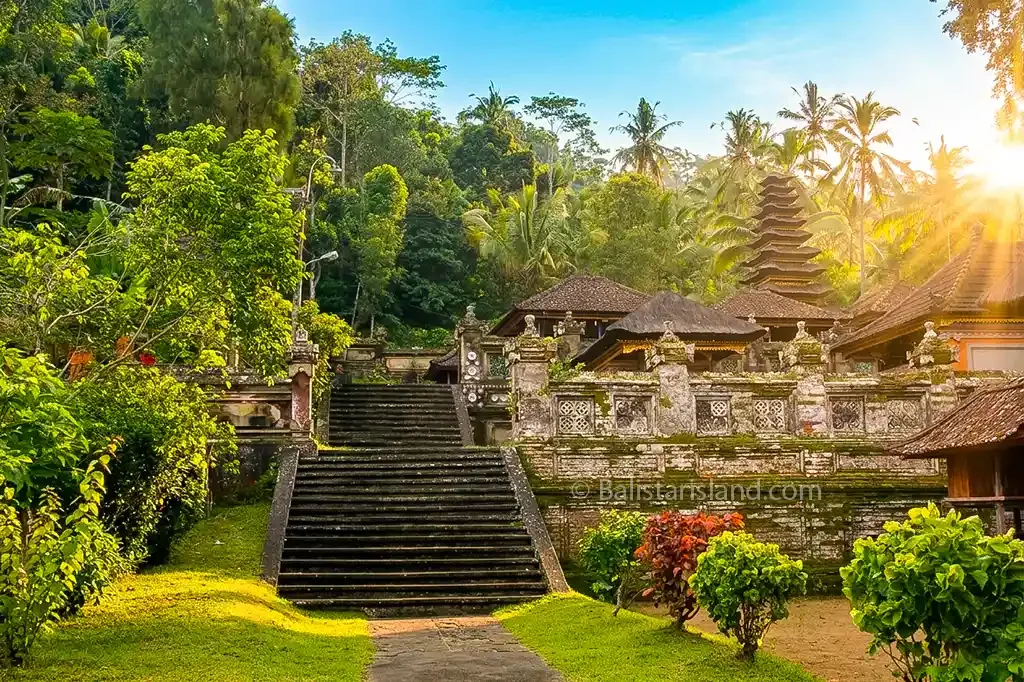
As you approach Kehen Temple, the towering stone entrance gate, known as “Candi Bentar,” welcomes you into a realm of ancient mystique. The temple complex unfolds with ornate carvings, stone shrines, and intricately adorned gates, offering a visual feast for those exploring its sacred grounds. Steeped in Balinese mythology and illustrated with vibrant ceremonial rituals, Kehen Temple invites visitors to witness the living traditions that have shaped the island’s spiritual identity. Whether admiring the architecture or joining the temple’s vibrant cultural events, Kehen Temple offers a captivating journey into the heart of Bali’s enduring cultural legacy.

Quick Facts
- Ancient Balinese Architecture
- Boma Stone Figures
- Kala-Makara Sculptures
- Panoramic Views
ABOUT KEHEN TEMPLE
General Information
Kehen Temple is a Hindu temple with deep connections to the history and religious traditions of Bali. It is also known as Hyang Api Temple, a name associated with the sacred element of fire. The name Kehen is traditionally linked to the Balinese word for fire, though the temple’s name has a more complex historical development. The temple is regarded as one of the important religious landmarks in Bangli Regency. It serves as a place of worship for local communities and remains an active part of Balinese Hindu life.
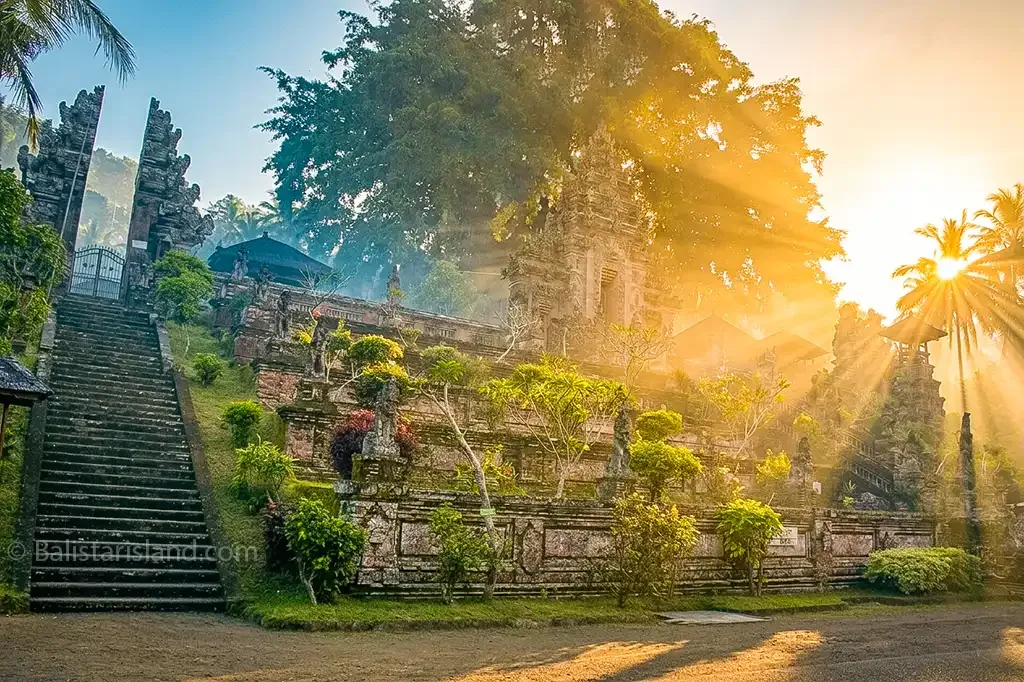
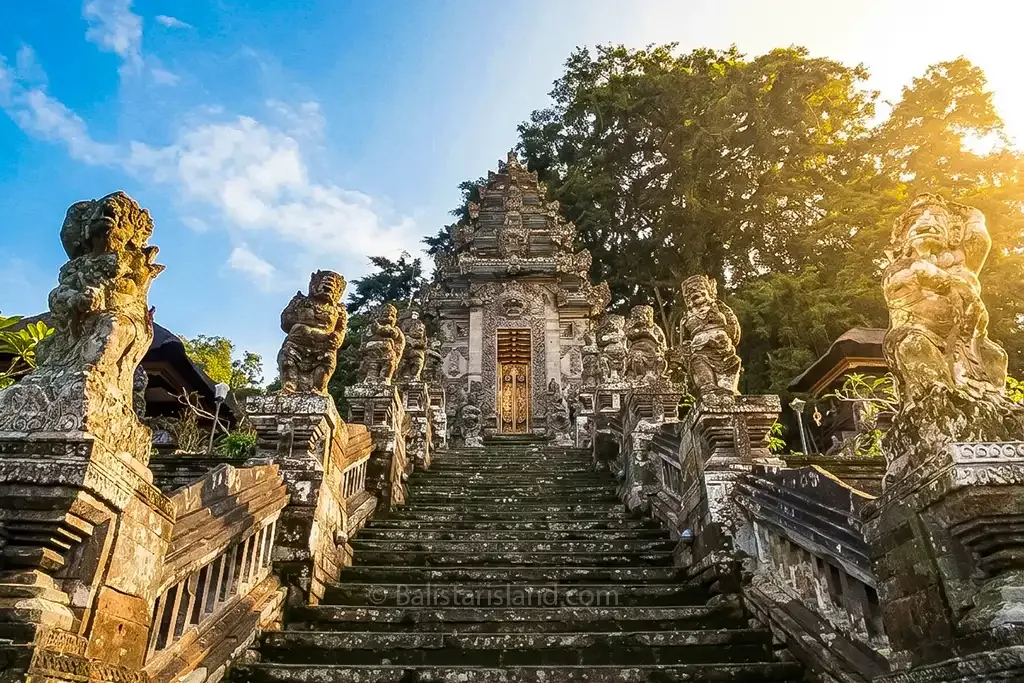
Unlike many temples with a simple entrance arrangement, Kehen Temple has a distinctive enclosed gateway and a series of stone stairways leading to its inner courtyards. Its hillside location creates a layered architectural composition that follows the natural landscape. The complex contains several courtyards, shrines, pavilions, and traditional structures. Each area serves a specific function within the temple’s religious and cultural life. Visitors can appreciate the stonework craftsmanship and how the buildings are arranged across the hillside.
History
Establishing the precise founding date of Pura Kehen presents unique historical challenges. However, three ancient copper inscriptions provide key historical evidence. The third inscription dates back to Saka 1126 (1204 AD). This document instructs residents on significant temple ceremonies.
Historians date the first Old Balinese inscription to 804-836 Saka (882-914 AD). This text mentions “Hyang Karinama” and the presence of “Hyang Api” in Simpat Bunut Village. Additionally, the second Old Javanese inscription dates to Saka 938-971 (1016-1049 AD). The original name “Hyang Api” later evolved into “Hyang Kehen” over centuries. This name change suggests Pura Kehen dates to the late 9th century.
Kehen Temple is more than a historical monument. It remains a living place of worship where religious ceremonies and community traditions continue. Visitors should therefore approach the site with respect and follow the guidance of temple staff.
The Highlights
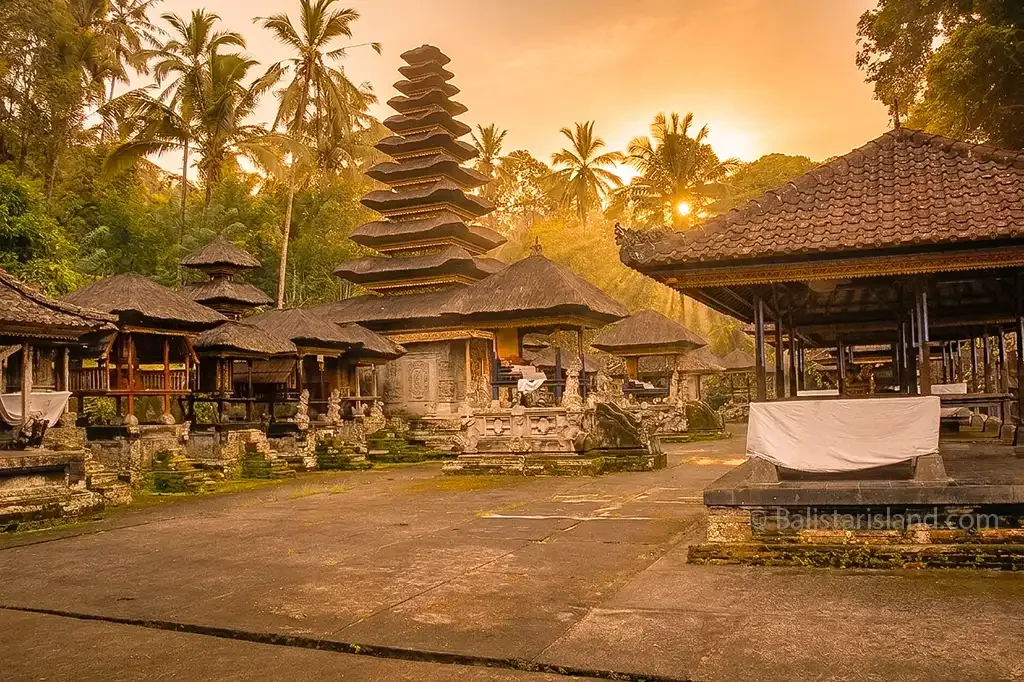
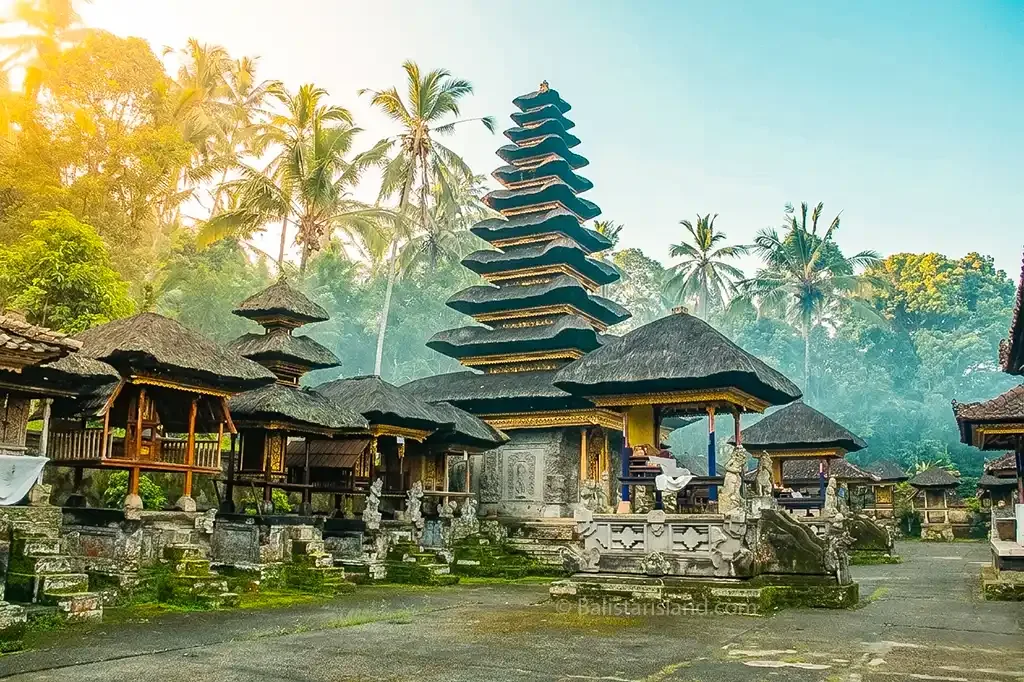
- Ancient Balinese Architecture: Admire intricate stone carvings, towering pagodas, and ornate split gateways across every courtyard.
- Boma Stone Figures: Marvel at mythical guardian statues carving the entranceways. These Boma stone figures add an aura of mystique.
- Kala-Makara Sculptures: Witness majestic Kala-Makara stone sculptures. These traditional carvings depict the cosmic balance between good and evil forces.
- Panoramic Views: Ascend through the multi-tiered temple courts. Visitors enjoy breathtaking vistas overlooking Bali’s lush green landscapes.
Things to Do at Kehen Temple
Explore the Temple Architecture
One of the most rewarding activities at Kehen Temple is exploring its traditional architecture. The stone stairways, carved gateways, and carefully arranged courtyards demonstrate the craftsmanship of Balinese temple builders. From public areas, visitors can observe different architectural elements and appreciate how the temple follows the hill’s natural slope. Take time to notice the details of the stone carvings and the arrangement of the shrines. These features help explain the temple’s cultural and religious significance.
Discover the Temple’s History
Kehen Temple is an interesting destination for travellers who enjoy historical exploration. Its ancient inscriptions and long association with Bali provide an opportunity to learn about Bali’s past. Visitors can explore the temple grounds and learn about its historical importance through available information and local guidance. A knowledgeable local guide can also help explain the meaning of the temple’s architectural features and religious traditions.
Enjoy the Peaceful Surroundings
The temple’s hillside setting creates a calm atmosphere that differs from Bali’s busy coastal destinations. Visitors can enjoy the surrounding greenery and appreciate the temple grounds’ peaceful character. The natural setting also makes Kehen Temple a rewarding destination for photography, particularly for visitors interested in traditional architecture and cultural landscapes.
Learn About Balinese Hindu Traditions
Kehen Temple remains an active place of worship. Visitors may observe religious offerings, traditional ceremonies, and community activities when they take place. Observe religious activities respectfully. Visitors should follow local instructions and avoid entering restricted areas.
What to Expect During Your Visit
A visit to Kehen Temple usually involves walking through a series of stone stairways and courtyards. The elevated layout provides a distinctive experience, but visitors should be prepared for steps and uneven surfaces. The temple is an active religious site, so the atmosphere may change depending on local ceremonies and community activities. On quieter days, visitors can enjoy a more peaceful exploration of the architecture and surrounding landscape.
Some areas may be restricted to worshippers. Visitors should respect these boundaries and follow instructions from temple staff. The temple suits travellers interested in culture, history, architecture, and photography. Families can also enjoy the visit, although parents should supervise children carefully around the stairs and stone structures. Allow enough time to explore without rushing. A relaxed visit gives you more time to appreciate the temple’s details and historical atmosphere.
Visitor Information
Location
Kehen Temple is located in Cempaga Village, Bangli District, Bangli Regency, Bali, Indonesia. It stands on the southern slope of Bangli Hill, making it a convenient cultural stop when exploring the Bangli region.
Entrance Fee
An entrance fee may apply to visitors. The amount may vary by visitor category and local arrangements. Check the current ticket price at the entrance before visiting. If you are arranging a private tour, confirm whether the package includes the entrance fee.
Opening Hours
Opening hours may vary according to local arrangements and religious ceremonies. Confirm the current schedule before your visit, particularly if you are planning a tight itinerary.
Visit Duration
Allow approximately 30–60 minutes for a general visit. Travellers interested in architecture, history, or photography may wish to spend longer exploring the accessible areas.
Facilities
Basic visitor facilities may be available near the entrance. Facilities can change, so prepare in advance and avoid relying on services that have not been confirmed.
Dress Code
Visitors should dress modestly when entering the temple. A sarong and sash may be required, and local staff can advise on the appropriate attire. Respect local religious customs and follow any instructions provided at the entrance.
How to Get to Kehen Temple
You can reach Kehen Temple by road from several popular destinations in Bali. The most convenient option for many visitors is a private car with a driver, especially when combining the temple with other attractions in Bangli. From Ubud, the journey takes visitors toward the central highlands of Bali. Travellers staying in southern Bali should allow additional time for the longer journey and possible traffic.
Visitors can combine a visit to Kehen Temple with other cultural and natural attractions in the Bangli region. This lets travellers explore more of the area in a single day. For visitors who prefer not to arrange transportation independently, a private sightseeing tour can provide a more convenient way to reach the temple and explore nearby destinations.
Best Time to Visit Kehen Temple
The morning is a good time to visit Kehen Temple. The weather is often more comfortable for walking, and the softer light can be ideal for photography. Late afternoon may also offer attractive light on the temple’s stone architecture and surrounding landscape. However, visitors should allow enough time to explore before the site closes.
You can visit the temple year-round, although weather conditions may affect how comfortable it is to walk around the grounds. During rainy periods, take extra care on stone stairs and pathways. Religious ceremonies can provide a deeper insight into Balinese culture, but they may also affect visitor access. Check with local staff if you wish to visit during a particular ceremony.
Nearby Attractions to Explore
Kehen Temple is an excellent addition to a cultural sightseeing itinerary in Bangli. Visitors can combine the temple with other destinations in the surrounding region.
Penglipuran Village
Penglipuran Village is known for its traditional Balinese architecture and distinctive village layout. It is a rewarding destination for visitors interested in local culture and community traditions.
Kintamani
Kintamani is known for its highland scenery and views of Mount Batur. Visitors can enjoy a different landscape experience after exploring the temple’s historical architecture.
Tukad Cepung Waterfall
Tukad Cepung Waterfall offers a natural setting with a distinctive rocky landscape. You can include it in a wider sightseeing itinerary, depending on travel time and road conditions. Pairing Kehen Temple with nearby attractions lets visitors experience more of Bali’s cultural and natural diversity.
Tips for Visiting Kehen Temple
- Wear modest clothing and follow the temple’s dress code.
- Bring comfortable footwear suitable for stone stairs and uneven surfaces.
- Visit in the morning for comfortable weather and softer light for photos.
- Ask permission before photographing worshippers or religious activities.
- Respect restricted areas and follow instructions from temple staff.
- Check current entrance fees and opening hours before travelling.
- Allow additional travel time when visiting from southern Bali.
- Consider combining the temple with nearby attractions to make the journey more convenient.
Related Tours
You can easily pair your temple visit with other popular regional day trips:
- Kintamani Cultural Tour
- Kintamani Volcano VW Safari Expedition
Contact our tour team today to customise your itinerary and book exclusive travel packages.
Other Tourist Attractions in the Area
Furthermore, you can discover many iconic attractions near Kehen Temple:
- Kintamani Highland Area
- Batur Temple (Pura Ulun Danu Batur)
- Bukit Penulisan Temple
- Penglipuran Bamboo Village
- Dusun Kuning Waterfall
- Kintamani Coffee Plantations