
Bali
Bali Travel Guides

Bali travel guides help you understand the island before you plan your trip. They allow you to decide where to go, what to experience, and how to travel smoothly in Indonesia. In Indonesia, Bali is known for its distinctive Hindu culture, tropical landscapes, coastal areas, rice terraces, and a wide range of experiences. From the cultural heart of Ubud to southern coastal communities, each area offers a unique perspective. Travellers can easily discover diverse experiences across every corner of the island.
Bali blends traditional culture with a modern travel scene, making it suitable for different holiday styles. Travellers can explore local customs, ancient temples, and stunning natural landscapes. They can also savour regional food or simply slow down to experience everyday Balinese life. Whether you are visiting Bali for the first time or returning to explore new areas, understanding its regions makes trip planning much easier. This insight helps you choose a more rewarding experience tailored to your travel style.
Explore Bali








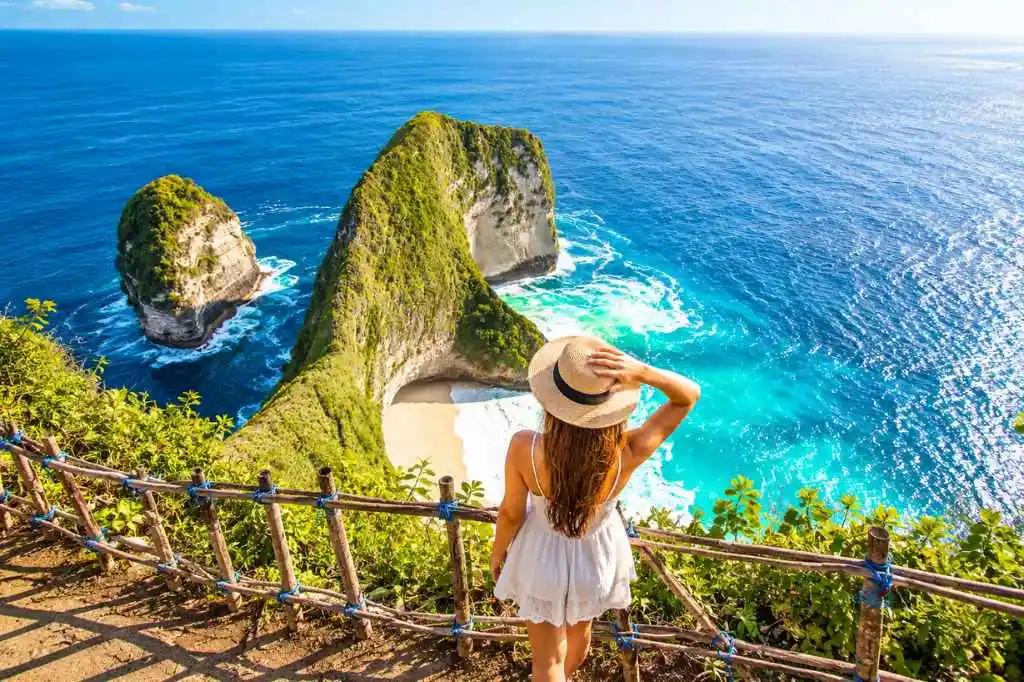




Test Hotel
INTRODUCTION PARAGRAPH This is a placeholder introduction paragraph for this hotel. Replace this text with a unique and informative introduction…
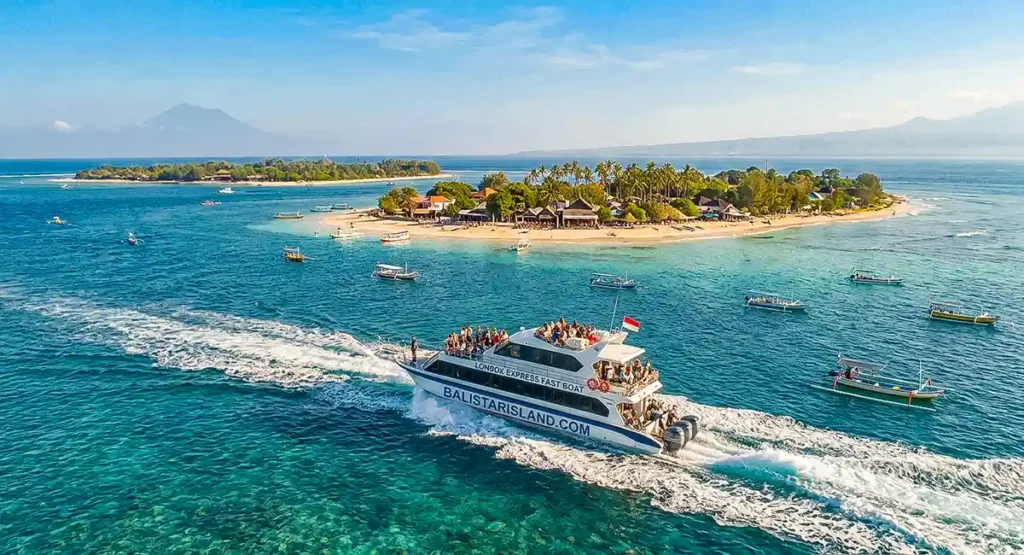
Fast Boat Padang Bai to Gili Islands
Key Advantages of Reserving Your Padang Bai to Gili Boat Tickets Online Planning your island trip in advance ensures a…

Fast Boat Sanur to Gili Islands
Key Advantages of Reserving Your Sanur to Gili Boat Tickets Online Planning your island getaway in advance ensures a hassle-free…

Fast Boat Sanur to Lombok
Key Advantages of Reserving Your Sanur to Lombok Boat Tickets Online Planning your inter-island crossing in advance ensures a hassle-free…

Fast Boat Serangan to Nusa Penida
Smart Benefits of Reserving Your Serangan to Penida Boat Tickets Online Securing your seats prior to travel day ensures a…

Fast Boat Sanur to Nusa Lembongan
Smart Benefits of Reserving Your Fast Boat Sanur to Nusa Lembongan Tickets Online Planning your island trip in advance ensures…

Bedugul to Bali Airport Transfer
Why Book a Private Bedugul, Pancasari, or Jatiluwih to Bali Airport Transfer? Choosing a private departure transfer gives you total…

Kintamani to Bali Airport Transfer
Why Book a Private Kintamani or Payangan to Bali Airport Transfer? Selecting a private departure transfer ensures complete peace of…

Pemuteran to Bali Airport Transfer
Why Book a Private Pemuteran to Bali Airport Transfer? Choosing a private departure transfer gives you total peace of mind…

Uluwatu Temple
ABOUT ULUWATU TEMPLE General Information Uluwatu Temple, or Pura Luhur Uluwatu, is one of Bali’s six key temples. It…

Kuta Beach
ABOUT KUTA BEACH BALI General Information Kuta Beach is a captivating coastline located just minutes from Ngurah Rai International…

Taman Ayun Temple
ABOUT TAMAN AYUN TEMPLE General Information Taman Ayun Temple, in Mengwi Village, is a sacred site dating to the…

Ubud Art Market
ABOUT UBUD ART MARKET General Information Ubud Art Market, locally known as ‘Pasar Seni Ubud,’ is in the heart…

Melasti Beach
ABOUT MELASTI BEACH General Information Melasti Beach, situated on the Bukit Peninsula, boasts expansive golden sands kissed by the…

Nungnung Waterfall
ABOUT NUNGNUNG WATERFALL BALI General Information Nungnung Waterfall, situated in the Petang region of Bali, stands as an untouched…

Sangeh Monkey Forest
ABOUT SANGEH MONKEY FOREST General Information Sangeh Monkey Forest, near the village of Sangeh, is a pristine haven spanning…

Bali Art Centre
ABOUT BALI ART CENTRE or WERDHI BUDAYA ART CENTRE General Information The Bali Art Centre, or Werdhi Budaya, is a…
Bali Travel Guide
Bali is more than a single type of holiday destination. Its landscapes, communities, culture, and coastal areas change considerably from one part of the island to another. Understanding these differences can help travellers choose the areas and experiences that fit their interests and available time.
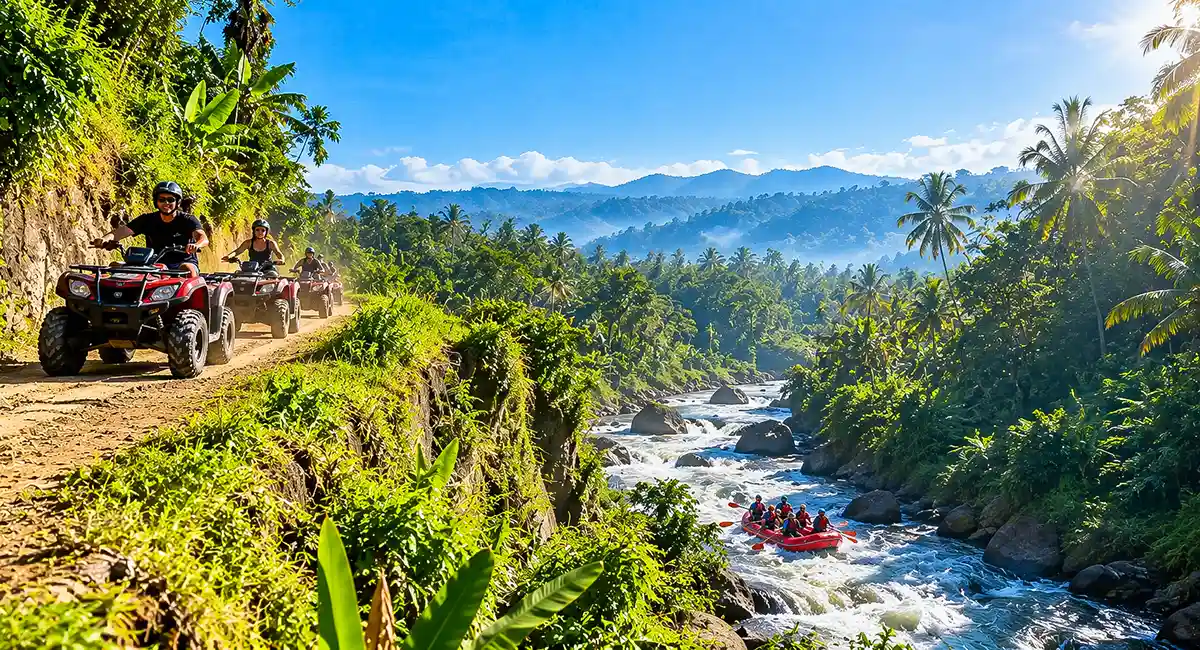
A trip to Bali can centre on cultural exploration, nature, beaches, wellness, food, adventure, or a combination of several experiences. Rather than trying to see the entire island in one trip, many travellers choose a few key areas. They use these locations as convenient bases for exploring nearby attractions at a relaxed pace.
Bali’s Diverse Landscapes
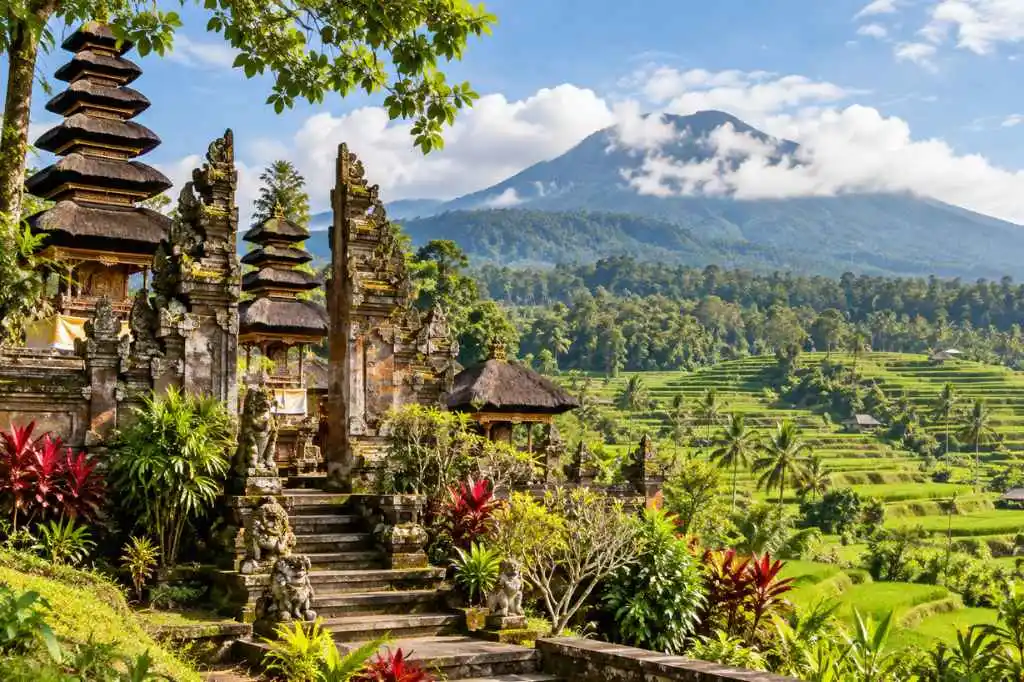
One of the defining characteristics of Bali is the variety of landscapes found across a relatively compact island. Coastal areas offer stunning beaches, dramatic cliffs, world-class surf spots, and expansive ocean views. Meanwhile, inland regions feature lush rice terraces, quiet valleys, dense forests, and volcanic landscapes.
Central Bali is especially known for greener inland scenery and traditional agricultural landscapes. Other parts of the island offer a distinct atmosphere, ranging from the developed southern coast to quieter northern regions. Eastern Bali also provides peaceful, scenic landscapes far from the busy tourist hubs.
This geographical variety means that places to visit in Bali can feel very different from one another, even when they are relatively close on the map.
Bali Culture and Local Life
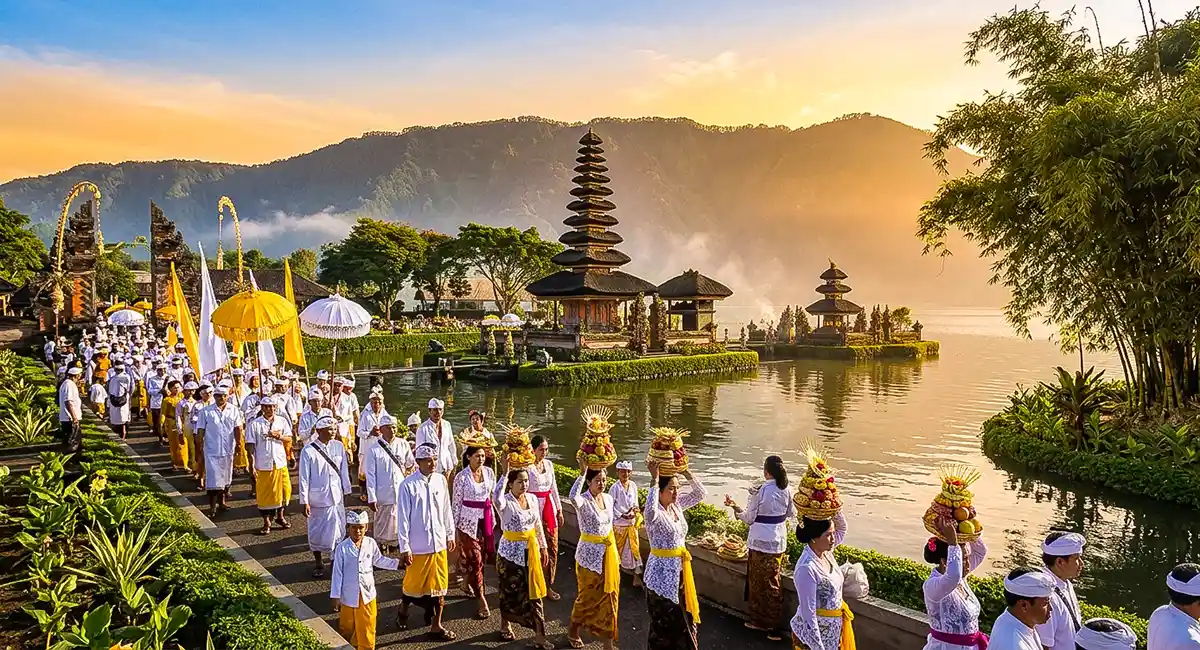
Bali’s culture is closely connected to Balinese Hindu traditions, community life, temples, ceremonies, art, and daily religious practices. Offerings appear throughout the island, and temples and ceremonial spaces are central to many communities.
For visitors, experiencing Bali respectfully means understanding that cultural traditions are part of everyday life, not just tourist attractions. Appropriate clothing when visiting temples, following local guidance, and being mindful during ceremonies are simple ways to show respect.
Beyond its well-known cultural sites, travellers can also experience Bali through its food, traditional arts, local markets, village landscapes, and everyday interactions.
Popular Areas to Explore in Bali
Bali has several distinct travel areas, each with its own atmosphere and appeal.
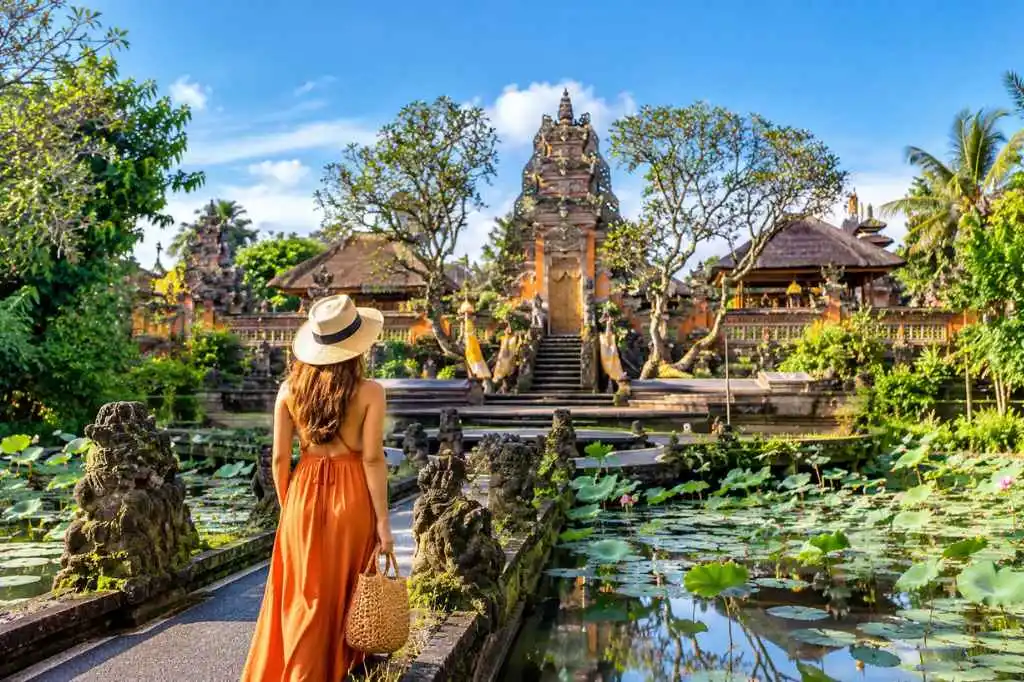
Ubud is known for its cultural setting, inland landscapes, arts, wellness, and surrounding rice terraces.
Seminyak and Canggu offer a more contemporary coastal atmosphere, with restaurants, cafés, beach culture, and a wide range of accommodation.
Uluwatu and the Bukit Peninsula are known for dramatic coastal scenery, beaches, surfing, and sunset views.
Sanur has a more relaxed coastal character and is also an important departure point for travel to nearby islands.
Nusa Dua is particularly associated with resort-style accommodation, beaches, and a more planned tourism environment.
For travellers looking beyond the better-known areas, eastern and northern Bali offer opportunities to experience different landscapes and a generally quieter side of the island.
Best Time to Visit Bali
The best time to visit Bali depends partly on the type of experience you want. Bali generally has a drier period from around April to October and a wetter period from around November to March, although weather conditions can vary.
The middle of the year is traditionally a busy travel period, while the wetter months can bring more rainfall but may also appeal to travellers looking for a different pace. Seasonal conditions can also affect activities such as surfing, hiking, diving, and outdoor sightseeing.
Rather than choosing a single “best” month for everyone, consider the weather, the activities you want to do, your travel dates, and expected visitor levels when planning your Bali trip. Current travel guidance similarly emphasises considering seasonality, weather, and the specific areas you plan to visit.
Frequently Asked Questions About Bali
What is Bali best known for?
Bali is best known for its distinctive culture, Hindu traditions, temples, beaches, rice terraces, natural landscapes, and diverse travel experiences.
What are the best places to visit in Bali?
Popular areas include Ubud, Seminyak, Canggu, Uluwatu, Sanur, and Nusa Dua, while eastern and northern Bali offer different landscapes and experiences.
What is the best time to visit Bali?
Bali can be visited throughout the year. The drier months generally run from April to October, while November to March is typically wetter. The best time depends on your activities, preferred weather, and travel style.
How many days do you need in Bali?
The ideal length depends on your itinerary. A short trip can focus on one or two areas, while a longer stay allows travellers to explore different parts of the island without spending too much time travelling between destinations.
Is Bali suitable for first-time visitors?
Yes. Bali offers a wide range of travel environments and experiences, from cultural and nature-focused areas to beaches, resorts, and modern dining destinations, making it possible to plan different types of holidays.