

Jakarta
Jakarta Travel Guide
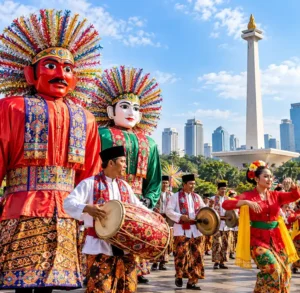 Jakarta Travel Guide introduces a vibrant city shaped by history, culture, cuisine, and modern urban life. Jakarta is Indonesia’s largest city and an important centre for business, culture, and national institutions. The city combines historic districts, modern neighbourhoods, cultural destinations, shopping areas, and diverse culinary experiences. Jakarta also includes coastal destinations and island communities across the Thousand Islands.
Visitors can discover Jakarta through its historic heritage, local traditions, culinary culture, and diverse urban neighbourhoods. Kota Tua preserves important traces of Batavia’s colonial history and remains a popular cultural destination. Betawi traditions add another layer to Jakarta’s identity through food, architecture, music, and community life. The Thousand Islands also offer a refreshing coastal escape from the city’s busy metropolitan environment.
Explore Jakarta
Discover Jakarta’s Urban and Cultural Character
Jakarta’s Modern Urban Life
Jakarta is a dynamic metropolitan city with modern buildings, busy streets, shopping districts, and creative spaces. The city continues to develop while preserving important cultural and historical areas. Its urban landscape combines business centres, residential neighbourhoods, public spaces, entertainment venues, and commercial districts.
Central Jakarta features important government buildings, public spaces, museums, and major urban landmarks. South Jakarta offers shopping areas, restaurants, cafes, entertainment venues, and modern lifestyle destinations. West Jakarta combines historic districts with established commercial areas and diverse local communities. North Jakarta connects the city with its maritime heritage and coastal environment.
Jakarta’s modern character also appears through its growing creative communities and contemporary cultural spaces. Visitors can discover different sides of the city by exploring several neighbourhoods during their stay. This diversity makes Jakarta suitable for travellers seeking both urban experiences and cultural discovery.
Jakarta’s History and Heritage
Jakarta has a long history connected with Sunda Kelapa, Jayakarta, Batavia, and modern Indonesia. The former Sunda Kelapa port developed as an important centre of regional and international trade. Jayakarta later became the foundation for the city’s continuing development. The Dutch established Batavia as a major administrative and commercial centre during the colonial period.
Kota Tua Jakarta remains one of the city’s most important heritage areas. The district preserves historic buildings, public spaces, museums, and architectural features from the Batavia period. Taman Fatahillah forms an important public space within the historic district. Several museums introduce visitors to Jakarta’s history, art, ceramics, and maritime heritage.
Sunda Kelapa also reflects Jakarta’s maritime history and long connection with regional trade. Historic buildings and museums provide additional context about the city’s development. Exploring these areas helps visitors understand Jakarta beyond its modern metropolitan appearance.
Betawi Culture and Local Life
Betawi culture is an important part of Jakarta’s identity and local heritage. The culture developed through centuries of interaction between communities living around Batavia. Various cultural influences contributed to Betawi traditions, including Malay, Chinese, Arab, Indian, and European influences.
These influences appear in traditional clothing, language, architecture, music, dance, food, and celebrations. Visitors can experience Betawi traditions through cultural performances and community-based destinations. Setu Babakan is an important cultural destination dedicated to preserving Betawi traditions.
The area introduces visitors to traditional houses, local food, cultural performances, and community activities. Betawi culture provides a deeper understanding of Jakarta’s identity and historical development. It also shows how different communities have shaped the city’s cultural character over time.
Jakarta’s Culinary Heritage
Jakarta offers a diverse culinary scene shaped by its multicultural history. Betawi cuisine reflects the interaction between local traditions and outside cultural influences. Traditional dishes remain an important part of Jakarta’s cultural identity.
Kerak Telor is one of Jakarta’s best-known traditional dishes. The dish combines glutinous rice, egg, dried shrimp, coconut, and traditional spices. Soto Betawi is another well-known dish featuring a rich broth and distinctive local flavours. Asinan Betawi offers vegetables with a refreshing mix of sweet, sour, and savoury flavours.
Roti Buaya also carries cultural meaning within traditional Betawi wedding customs. Visitors can discover these foods at traditional eateries, markets, restaurants, and local food areas.
Jakarta also brings together culinary traditions from across Indonesia. Visitors can find regional Indonesian dishes alongside international cuisines throughout the city. Exploring Jakarta through food provides another way to experience its multicultural character.
Jakarta’s Diverse Neighbourhoods
Jakarta consists of five administrative cities and the Thousand Islands administrative regency. These areas have different characteristics and offer varied experiences for visitors.
Central Jakarta is associated with government institutions, major landmarks, public spaces, and important historical sites. West Jakarta includes Kota Tua and Glodok, which have a long Chinese cultural heritage. North Jakarta connects the city with Sunda Kelapa, maritime history, and coastal destinations.
South Jakarta has many shopping areas, restaurants, lifestyle venues, and recreational spaces. It also includes Setu Babakan, an important centre for Betawi cultural heritage. East Jakarta offers cultural and recreational destinations away from the busiest central areas.
Understanding Jakarta’s different areas can help visitors organise their itinerary more efficiently. Grouping nearby destinations together can also reduce unnecessary travel across the metropolitan area.
Jakarta’s Coastal Character
Jakarta faces the Java Sea and has a long relationship with maritime trade. North Jakarta provides access to historic ports, coastal destinations, and maritime heritage. Sunda Kelapa remains an important symbol of Jakarta’s connection with traditional Indonesian shipping.
The coastal area also provides access to destinations beyond the mainland. Visitors can combine urban experiences with relaxing coastal activities during their trip to Jakarta. This contrast creates another dimension of Jakarta’s destination character.
Jakarta’s coastal environment also connects the city with the Thousand Islands. These islands offer visitors opportunities to experience beaches, marine environments, and island communities.
Thousand Islands and Island Escapes
Thousand Islands near Jakarta provide a different experience from the busy mainland. The archipelago lies north of Jakarta and includes islands with different natural, cultural, and recreational characteristics. Visitors can enjoy swimming, snorkelling, diving, island hopping, and relaxing beside the sea.
The Thousand Islands Marine National Park protects important marine environments and underwater ecosystems. Several areas offer opportunities to explore coral reefs and marine life. The archipelago also includes historical islands such as Onrust, Cipir, Kelor, and Bidadari.
Visitors can choose islands based on their preferred travel experience and available time. Some destinations focus on beaches and marine activities, while others offer historical or community experiences. A trip to the islands can add a peaceful coastal escape to a Jakarta itinerary.
The combination of metropolitan life and nearby island destinations gives Jakarta a distinctive travel experience. Visitors can experience Indonesia’s urban energy and tropical coastal environment within the same destination.
Frequently Asked Questions About Jakarta
What is Jakarta known for?
Jakarta is known for its modern urban life, cultural diversity, history, cuisine, shopping, and entertainment. The city also offers access to historic districts and coastal destinations. Its combination of metropolitan and cultural experiences makes Jakarta an important gateway to Indonesia.
What are the best things to do in Jakarta?
Things to do in Jakarta include exploring historic areas, museums, cultural destinations, local food, and different city neighbourhoods. Visitors can explore Kota Tua, discover Betawi culture, experience local cuisine, and visit major urban landmarks. A Thousand Islands trip can also provide a different coastal experience.
What are the best places to visit in Jakarta?
Places to visit in Jakarta include Kota Tua, museums, cultural destinations, public spaces, and coastal areas. Kota Tua is particularly useful for travellers interested in Jakarta’s historical development. Visitors can also explore Betawi cultural destinations and the Thousand Islands.
Is Kota Tua Jakarta worth visiting?
Kota Tua Jakarta offers a chance to explore Jakarta’s historical connection to Batavia. The area includes historic architecture, museums, public spaces, and cultural activities. Taman Fatahillah and surrounding museums provide important historical context about the city.
Can you visit the Thousand Islands from Jakarta?
Yes, visitors can travel from Jakarta to several destinations within the Thousand Islands. The archipelago offers swimming, snorkelling, diving, island hopping, and historical experiences. Transport options depend on the selected island and departure point.
How many days do you need in Jakarta?
Two to four days can provide enough time for a balanced Jakarta itinerary. Extra time allows visitors to explore more neighbourhoods or add a Thousand Islands trip. Visitors with limited time can focus on nearby destinations.
Is Jakarta suitable for first-time visitors?
Jakarta can suit first-time visitors interested in Indonesian urban life, culture, history, and cuisine. The city’s different districts offer varied experiences within one metropolitan destination. Planning your itinerary by area can make your visit more comfortable and efficient.