

Lombok
Lombok Travel Guide
 Lombok Travel Guide introduces an island shaped by dramatic landscapes, beautiful beaches, local traditions, and outdoor adventures. Lombok offers a quieter character than many of Indonesia’s more popular destinations. The island combines volcanic mountains, tropical coastlines, traditional villages, and offshore islands. Travellers can discover natural landscapes, cultural experiences, and relaxing beach destinations across Lombok.
A journey through Lombok can include mountain adventures, coastal exploration, island escapes, and cultural discoveries. Mount Rinjani dominates the northern landscape and attracts travellers seeking challenging outdoor experiences. The Gili Islands offer a different atmosphere, with clear waters, marine activities, and relaxed island communities. Sasak culture also adds an important dimension to Lombok through traditional architecture, crafts, food, and local traditions.
Explore Lombok
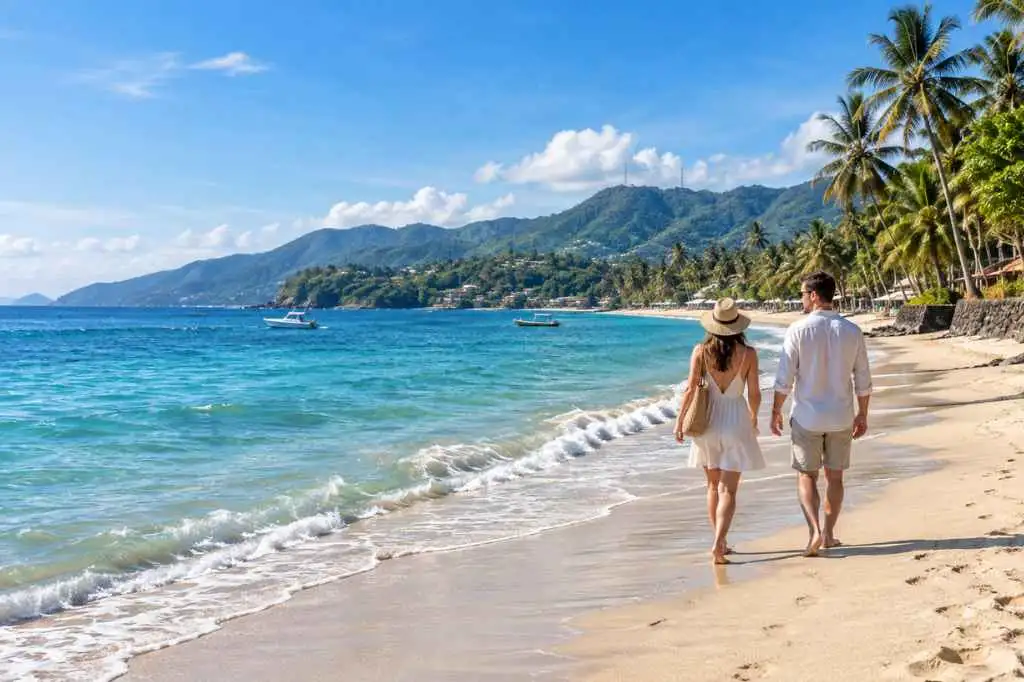

Discover Lombok’s Natural and Cultural Character
Lombok’s Natural Landscapes
Lombok offers a diverse landscape that changes significantly between its northern, central, southern, and western regions. Mountain areas create cooler climates, while the coastline offers tropical scenery and open-sea views. Forests, rice fields, hills, waterfalls, and beaches create different experiences across the island.
The island’s natural character suits travellers seeking both adventure and relaxation. Visitors can explore rural landscapes before continuing toward coastal areas. The changing scenery also makes road journeys an enjoyable part of exploring Lombok.
Southern Lombok has become particularly popular for its beaches and scenic coastal landscapes. Central areas offer agricultural scenery and traditional communities. Northern Lombok provides access to mountain environments and Mount Rinjani.
Mount Rinjani and Highland Adventures
Mount Rinjani is one of Lombok’s most distinctive natural landmarks. The mountain rises above the island, creating a dramatic backdrop for the surrounding landscape. Its volcanic terrain draws hikers and travellers seeking challenging outdoor adventures.
Trekking around Mount Rinjani requires preparation because conditions can change quickly. Weather, altitude, terrain, and physical demands should influence every trekking plan. Travellers should follow local regulations and use appropriate guides when required.
The mountain also shapes the landscape around northern Lombok. Villages, forests, agricultural areas, and waterfalls surround the highland environment. These areas offer experiences beyond the main trekking routes.
Lombok Beaches and Coastal Landscapes
Lombok Beaches are among the island’s most attractive natural features. The southern coastline offers many scenic areas with white sand, turquoise water, and surrounding hills. Some beaches remain relatively quiet compared with more developed destinations.
Kuta Lombok provides access to several beaches and coastal viewpoints. Visitors can combine beach visits with local food, village exploration, and scenic drives. The surrounding coastline offers many opportunities for photography and relaxation.
Senggigi offers another coastal experience on Lombok’s western side. The area combines beaches, accommodation, restaurants, and sunset views. Its location also makes it a good base for exploring nearby destinations.
Travellers should respect local customs when visiting beaches and coastal communities. Responsible behaviour helps protect natural areas and supports positive relationships with local residents.
The Gili Islands
The Gili Islands offer a different experience from mainland Lombok. Gili Trawangan, Gili Meno, and Gili Air each have their own atmosphere and visitor character. Their clear waters make them popular destinations for snorkelling and diving.
Gili Trawangan has a lively atmosphere with restaurants, accommodation, and evening activities. Gili Meno offers a quieter setting for travellers seeking a more relaxed island experience. Gili Air combines peaceful surroundings with a growing range of accommodation and dining options.
Marine activities provide an important part of the Gili Islands experience. Visitors can explore coral reefs, swim in clear water, and observe marine life. Travellers should choose responsible operators and avoid damaging coral or disturbing marine animals.
Sasak Culture and Local Traditions
Lombok Culture is strongly connected to the Sasak people, who make up the island’s largest ethnic community. Sasak traditions show up in architecture, crafts, food, music, ceremonies, and community life.
Traditional villages provide opportunities to learn about local architecture and everyday traditions. Some communities preserve distinctive houses and village layouts. Visitors should ask permission before photographing residents or entering private areas.
Handcrafted textiles are another important part of local heritage. Traditional weaving techniques produce fabrics with distinctive patterns and cultural meanings. Purchasing directly from local artisans can support community-based craft traditions.
Cultural experiences become more meaningful when visitors approach them with respect. Learning about local customs can provide deeper insight into Lombok beyond its beaches and mountains.
Popular Places to Visit in Lombok
Lombok offers many Places to visit across different parts of the island. Each destination offers a different combination of landscapes, culture, and activities.
Kuta Lombok is a popular base for exploring the southern coastline. The surrounding area includes beaches, hills, viewpoints, and traditional communities. It also provides convenient access to several coastal destinations.
Senggigi remains an established destination on Lombok’s western coast. Its coastal setting suits travellers seeking beaches, sunsets, restaurants, and convenient accommodation.
Tetebatu offers a greener highland atmosphere surrounded by rice fields and rural landscapes. The area provides opportunities for walking, village visits, and nature exploration.
Northern Lombok provides access to Mount Rinjani and several natural attractions. Waterfalls and forests offer additional opportunities for travellers interested in nature.
Lombok’s Food and Local Life
Food provides another way to understand Lombok’s local character. The island has a distinctive culinary tradition influenced by Sasak culture and local ingredients.
Ayam Taliwang is one of Lombok’s best-known dishes. The dish combines grilled chicken with a spicy seasoning that reflects the island’s love of bold flavours.
Plecing kangkung is another popular local dish. It combines water spinach with a fresh and spicy chilli sauce. Travellers can often find these dishes at local restaurants and traditional eateries.
Local markets also provide insight into everyday life. Visitors can discover fresh produce, spices, snacks, and household products. Exploring markets respectfully can create a more authentic travel experience.
Best Time to Visit Lombok
The best time to visit Lombok depends on the activities included in your itinerary. Dry-season conditions can provide favourable weather for beaches, sightseeing, and outdoor activities.
The dry period generally offers more predictable conditions for mountain and coastal experiences. However, weather can still change quickly in mountainous areas. Travellers should check local conditions before outdoor activities.
The wet season can bring heavier rainfall across parts of Lombok. Rain can affect road conditions and outdoor plans, especially in mountainous areas. However, the wetter months can also create greener landscapes.
Travellers should consider both weather and local conditions when planning their Lombok itinerary. Flexibility can make the journey more comfortable during changing weather.
Lombok Travel Tips
Planning your transportation is important because Lombok covers a relatively large area. Travel times can vary depending on road conditions and your destination.
A private driver can provide convenient access to several destinations during one trip. Motorbikes can offer flexibility for experienced riders familiar with local road conditions.
Travellers should carry suitable clothing for both coastal and highland environments. Sun protection is important during beach activities and outdoor sightseeing. Comfortable footwear is useful when exploring villages, waterfalls, and natural trails.
Respecting local customs is equally important. Dress appropriately when visiting villages or religious sites. Follow local instructions and avoid entering restricted areas.
Responsible travel can also help protect Lombok’s natural environment. Reduce plastic waste, avoid damaging coral, and respect wildlife. Supporting local businesses can also contribute to communities across the island.
Frequently Asked Questions About Lombok
What is Lombok known for?
Lombok is known for Mount Rinjani, beautiful beaches, the Gili Islands, and Sasak culture. The island also offers diverse landscapes and outdoor experiences.
What are the best things to do in Lombok?
Popular activities include visiting beaches, exploring villages, snorkelling, hiking, discovering waterfalls, and experiencing local culture.
What are the best places to visit in Lombok?
Popular destinations include Kuta Lombok, Senggigi, Tetebatu, northern Lombok, Mount Rinjani, and the Gili Islands.
Is Mount Rinjani worth visiting?
Mount Rinjani offers dramatic mountain landscapes and challenging trekking experiences. Visitors should prepare carefully and consider current trail conditions.
What are the Gili Islands known for?
The Gili Islands are known for clear waters, snorkelling, diving, beaches, and relaxed island experiences. Each island has a different atmosphere.
What are the best beaches in Lombok?
Southern Lombok offers many scenic beaches surrounded by hills and clear coastal waters. Kuta Lombok provides convenient access to several popular beaches.
How many days do you need in Lombok?
Five to seven days gives you time to cover several major areas. Longer trips allow travellers to explore the mountains, coast, villages, and islands.
Is Lombok suitable for first-time visitors?
Lombok can suit first-time visitors interested in beaches, nature, culture, and outdoor activities. Good planning makes it easier to combine different regions.