

Nusa Penida & Lembongan
Nusa Penida and Lembongan Travel Guide
 Nusa Penida and Lembongan Travel Guide introduces two island destinations with dramatic landscapes, clear waters, and distinctive coastal character. Both islands sit southeast of mainland Bali within the Nusa Islands. Nusa Penida is the largest island, while Nusa Lembongan offers a more compact island experience. Together with Nusa Ceningan, these islands create a diverse destination for nature and marine adventures.
Travellers can discover spectacular viewpoints, beaches, snorkelling areas, local communities, and peaceful coastal landscapes. Nusa Penida is known for dramatic cliffs and distinctive coastal formations. Nusa Lembongan offers relaxed beaches, mangrove landscapes, and easy connections with Nusa Ceningan. The islands also provide opportunities to experience local traditions and everyday island life.
Explore Nusa Penida & Lembongan




Discover Nusa Penida and Lembongan’s Island Character
Nusa Penida’s Dramatic Landscapes
Nusa Penida is known for its dramatic cliffs, rocky coastlines, and striking ocean views. The island’s landscape creates a strong contrast between high viewpoints and secluded coastal areas. Steep terrain also gives many locations a distinctive natural character.
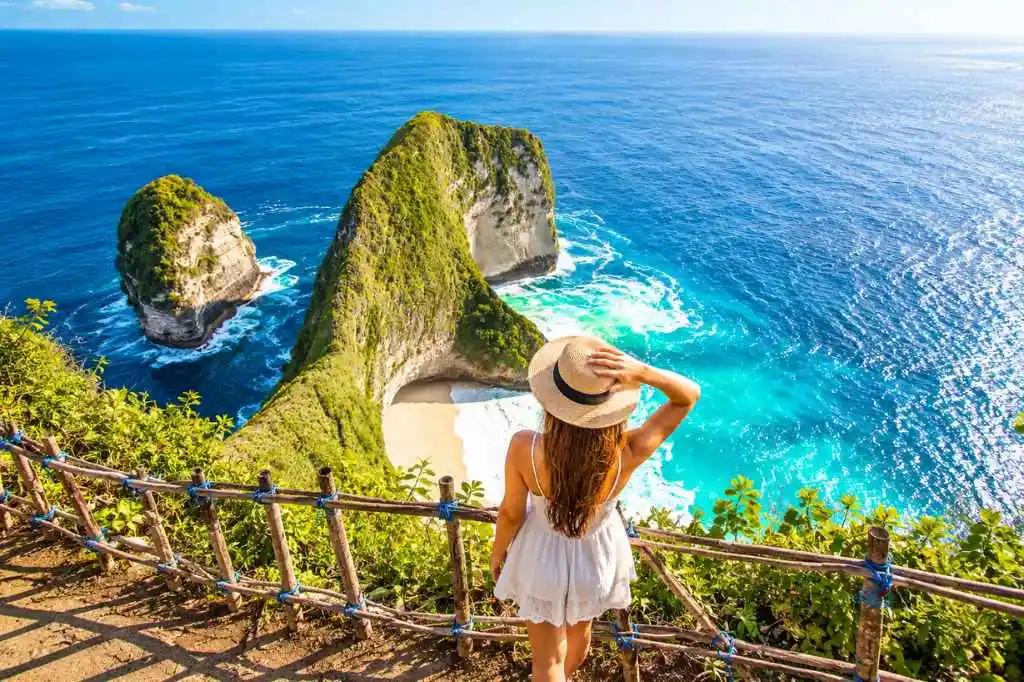
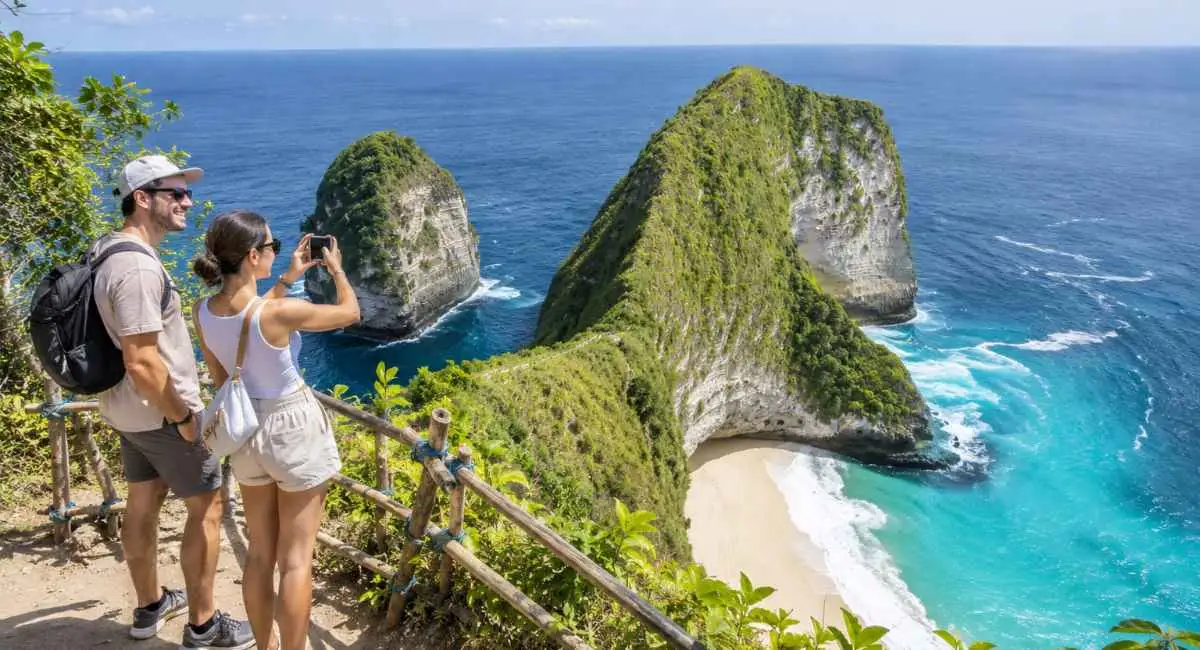
Kelingking Beach is one of the island’s most recognizable landscapes. Its cliff formation creates a distinctive silhouette above the Indian Ocean. The viewpoint provides spectacular scenery without requiring visitors to descend to the beach. The route toward the beach becomes steep and requires careful attention.
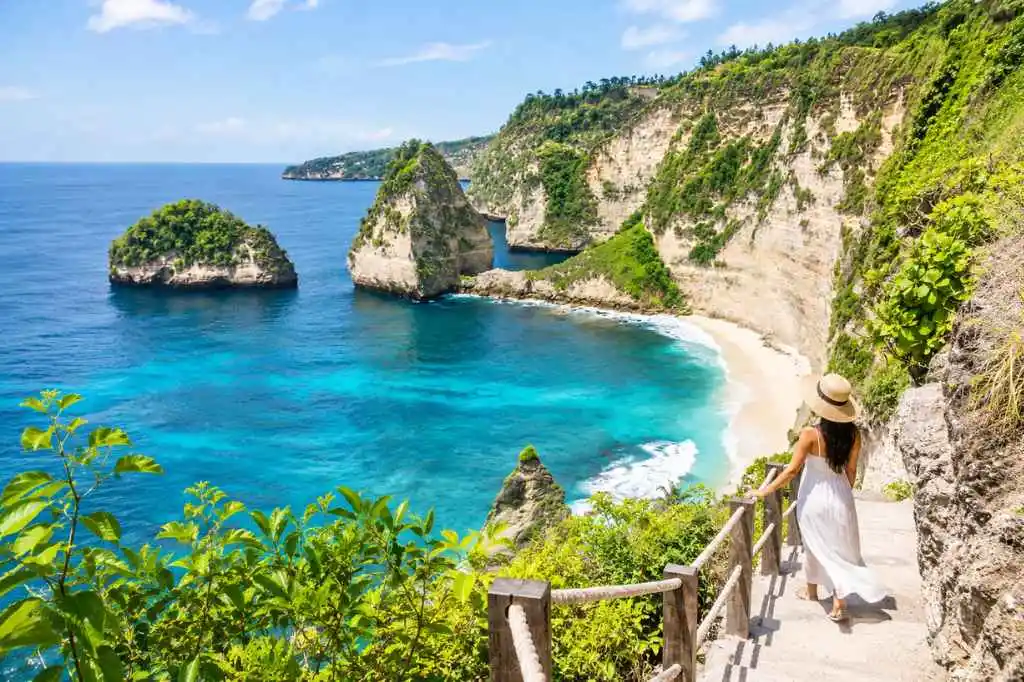
Other areas provide different perspectives across the island. Crystal Bay combines coastal scenery with opportunities for snorkelling and diving. Diamond Beach and Atuh Beach offer dramatic cliffs and beautiful views of the eastern coastline.
Popular Places to Visit in Nusa Penida
Nusa Penida offers many Places to visit across its western, eastern, and southern areas. Each destination has a different landscape and travel experience.
Kelingking Beach attracts visitors with its famous cliff panorama and ocean views. Crystal Bay provides a calmer coastal setting with clear water and marine activities. Atuh Beach and Diamond Beach offer another side of Nusa Penida through dramatic eastern cliffs.
Broken Beach and Angel’s Billabong are also associated with the island’s distinctive coastal formations. These natural features create interesting viewpoints for travellers exploring the western coastline. Visitors should follow local safety guidance around cliffs and changing sea conditions.
Nusa Penida also has cultural destinations beyond its natural scenery. Goa Giri Putri provides a different experience through its cave setting and spiritual atmosphere. Local temples and sacred sites remain important parts of community life.
Nusa Penida Beaches and Coastal Views
Nusa Penida Beaches offer a wide range of coastal experiences. Towering cliffs surround some beaches, while others provide easier access to the sea.
Crystal Bay is known for clear water and its position along the western coast. The area also offers snorkelling and diving. Visitors can enjoy the coastal scenery while experiencing the marine environment.
Some beaches require steep walks or descents from higher ground. Travellers should consider their physical condition before choosing challenging routes. Good footwear can also make coastal exploration safer and more comfortable.
The island’s coastal scenery can change throughout the day. Morning light can emphasize the cliffs and surrounding sea. Late afternoon can create different views across the western coastline.
Nusa Penida Snorkelling and Marine Life
Nusa Penida Snorkeling is popular because the surrounding waters support diverse marine environments. Crystal Bay, Manta Point, and Malibu Point are recognised snorkelling or diving locations.
Marine activities require responsible behaviour from visitors. Travellers should avoid touching coral and should maintain a respectful distance from marine animals. Choosing responsible operators can also support better practices around sensitive marine environments.
Sea conditions can change quickly around island coastlines. Visitors should follow local guidance before entering the water. Snorkelling plans should also consider weather, currents, visibility, and personal swimming ability.
Nusa Lembongan and Its Island Lifestyle
Nusa Lembongan offers a more compact island experience with beaches, coastal viewpoints, and local communities. The island has a relaxed atmosphere that appeals to travellers seeking slower days beside the sea.
The coastline includes beaches, rocky shores, and areas with views across the surrounding islands. Dream Beach is one example of the island’s scenic coastal areas. Devil’s Tears is another well-known location where waves meet the rocky coastline.
Nusa Lembongan also has a mangrove environment along its northern coastline. Visitors can explore the area by boat or through other guided activities. The mangrove landscape provides a quieter experience away from the island’s main beaches.
Nusa Ceningan and the Coastal Connection
Nusa Ceningan is a smaller island closely connected to Nusa Lembongan. You can explore both islands on the same trip.
The Yellow Bridge provides an important connection between Nusa Lembongan and Nusa Ceningan. The crossing makes it easy to move between the two island communities.
Nusa Ceningan offers coastal viewpoints, small beaches, and a quieter atmosphere. Its smaller scale suits travellers who enjoy short island explorations.
Combining the two islands can add variety to a Nusa Lembongan stay. Visitors can explore both destinations without planning a completely separate island itinerary.
Local Culture and Island Communities
The Nusa Islands offer more than beaches and dramatic landscapes. Local communities maintain traditions connected with Balinese culture, religion, fishing, agriculture, and island life.
Temples remain important places within local communities. Visitors should respect religious spaces and follow local customs when entering sacred areas. Appropriate clothing and respectful behaviour are important during cultural visits.
Traditional activities can also provide insight into everyday life. Local boats, fishing practices, ceremonies, and community events reflect the islands’ relationship with the sea.
Travellers can support local communities by choosing locally owned businesses and respectful cultural experiences. This approach can create more meaningful connections during an island journey.
Best Time to Visit Nusa Penida and Lembongan
The best time to visit Nusa Penida and Lembongan depends on your preferred activities. Drier weather can provide more comfortable conditions for sightseeing and outdoor exploration.
Marine activities also depend on sea conditions and visibility. Weather changes can affect boat crossings, snorkelling, diving, and coastal activities. Travellers should check current conditions before planning water-based activities.
The islands can feel busier during popular travel periods. Visiting earlier in the day can make busy viewpoints more comfortable. Flexible schedules can also help when weather affects transportation or outdoor plans.
Nusa Penida and Lembongan Travel Tips
Plan your island transportation before you arrive. Fast boats provide connections between mainland Bali and the Nusa Islands. Travel times can vary with departure point, weather, and sea conditions.
Nusa Penida covers a larger area than Nusa Lembongan. Travel between different destinations can therefore take longer than expected. Allowing extra time can make the journey more comfortable.
Road conditions can vary across Nusa Penida. Travellers should choose transportation according to their experience and comfort level. Local drivers can also provide practical knowledge about routes and current conditions.
Bring comfortable footwear for viewpoints, beaches, and uneven paths. Sun protection is useful during daytime exploration. Reusable water bottles can also help reduce plastic waste.
Respect local communities and religious sites throughout your journey. Avoid climbing barriers or standing too close to cliff edges. Follow local instructions around beaches, boats, temples, and marine areas.
Responsible travel helps protect the islands for future visitors. Avoid touching coral and never leave plastic waste behind. Supporting local businesses can also contribute to the island communities you visit.
Frequently Asked Questions About Nusa Penida and Lembongan
What is Nusa Penida known for?
Nusa Penida is known for dramatic cliffs, beaches, clear waters, and marine experiences. The island also has important cultural and religious sites.
What are the best things to do in Nusa Penida and Lembongan?
Popular experiences include visiting viewpoints, exploring beaches, snorkelling, diving, visiting mangroves, and discovering local communities.
What are the best places to visit in Nusa Penida?
Popular places include Kelingking Beach, Crystal Bay, Diamond Beach, Atuh Beach, Broken Beach, and Angel’s Billabong.
Is Nusa Penida worth visiting?
Nusa Penida offers distinctive landscapes and marine experiences. Travellers who enjoy nature and outdoor exploration can find plenty to do across the island.
What is Nusa Lembongan known for?
Nusa Lembongan is known for beaches, coastal scenery, mangroves, marine activities, and its relaxed island atmosphere.
Can you visit Nusa Penida and Lembongan on the same trip?
Yes, you can combine both islands in one trip. Their close location makes it practical to explore them during the same island journey.
What is the best time to visit Nusa Penida and Lembongan?
The best period depends on your preferred activities and weather conditions. Drier weather generally provides more predictable conditions for outdoor activities.
How many days do you need in Nusa Penida and Lembongan?
Three to five days is usually enough time to cover the major highlights on both islands. Longer stays allow slower exploration and more marine activities.
Is Nusa Penida suitable for first-time visitors?
Nusa Penida can suit first-time visitors who enjoy nature, beaches, and outdoor exploration. Good planning is important because some areas have challenging terrain.