
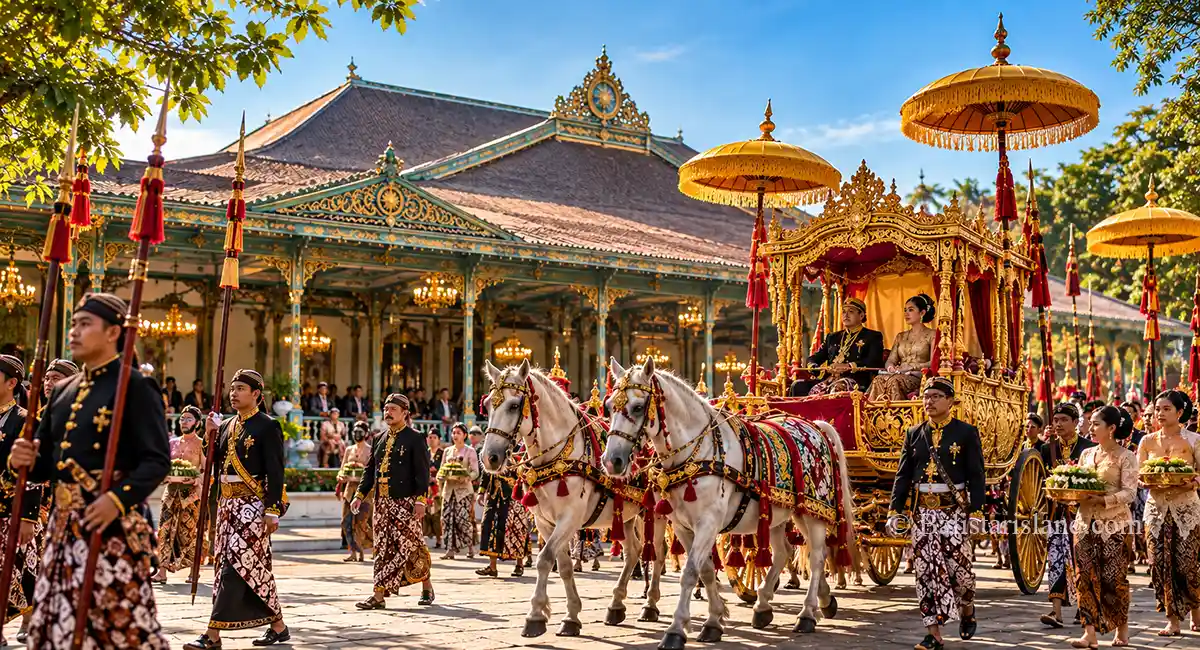
Solo
Solo Travel Guide
 Solo Travel Guide introduces a charming city shaped by Javanese culture, heritage, crafts, and culinary traditions. Solo, also called Surakarta, lies in Central Java and preserves a strong royal heritage. The city combines historic palaces, traditional neighbourhoods, batik communities, markets, and local culinary traditions. Solo also offers a relaxed urban atmosphere that makes cultural exploration comfortable for many travellers.
Visitors can discover Solo through its royal heritage, traditional arts, batik, food, markets, and local communities. Keraton Solo remains an important cultural landmark in the city. Mangkunegaran Palace adds another important chapter to Solo’s royal history. Traditional neighbourhoods such as Laweyan and Kauman continue to connect visitors with Solo Batik and local craftsmanship. Solo also offers many opportunities to experience Javanese culture through food, performances, festivals, and everyday city life.
Explore Solo
Discover Solo’s Javanese Cultural Character
Solo and Its Javanese Heritage
Solo has a strong connection with Javanese history and cultural traditions. The city grew around royal institutions that shaped its architecture, arts, customs, and social life. Keraton Solo remains one of the city’s most important cultural landmarks. The palace complex preserves royal collections, traditional objects, and elements of Javanese heritage. Visitors can explore the surrounding area and discover historic buildings, courtyards, and cultural traditions.
Solo also preserves heritage beyond its royal palaces. Historic neighbourhoods, traditional markets, museums, and cultural spaces add depth to the city’s character. These places help visitors understand how Javanese traditions continue within modern urban life.
Keraton Solo and Royal Heritage
Keraton Surakarta Hadiningrat represents the royal heritage of the Kasunanan Surakarta court. The palace stands in the Baluwarti area near central Solo. The complex contains collections connected with royal history and Javanese traditions. These collections include traditional weapons, gamelan instruments, royal heirlooms, and other cultural objects.
The palace also provides an important setting for understanding Javanese court culture. Visitors can learn about traditional customs, architecture, ceremonies, and artistic traditions. Keraton Solo therefore offers more than a historic building. It connects Solo’s royal past with its living cultural identity.
Mangkunegaran Palace and Cultural Traditions
Mangkunegaran Palace provides another important window into Solo’s royal history. The palace stands within the city and remains closely connected with Javanese cultural traditions. Visitors can discover elegant architecture, historical collections, traditional arts, and cultural performances. The palace also hosts activities that help keep traditional arts connected with modern audiences.
The surrounding area enhances the experience with public spaces, markets, cafes, and cultural activities. Ngarsopuro also becomes lively during certain evening events. Together, Keraton Solo and Mangkunegaran Palace show the different royal traditions that shaped Surakarta.
Solo Batik and Traditional Crafts
Solo Batik forms an important part of the city’s cultural identity. Traditional batik communities developed around areas connected with royal life and local craftsmanship. Kampung Batik Kauman has strong historical links with the Kasunanan court. Local artisans continue to preserve traditional techniques while developing contemporary designs.
Kampung Batik Laweyan offers another important batik heritage area. The neighbourhood has long been associated with batik production, trade, and family businesses. Visitors can explore workshops, browse traditional fabrics, and learn about the craftsmanship behind Solo Batik. These experiences provide a closer connection with local culture than ordinary souvenir shopping.
Solo also hosts cultural events that bring batik into contemporary fashion and public celebrations.
Historic Neighbourhoods and Local Markets
Solo offers many places where history remains part of everyday city life. Traditional markets provide a direct connection with local commerce, food, crafts, and community activities. Pasar Klewer is one of Solo’s best-known markets for textiles and batik. The market sits beside the Keraton Surakarta area and draws shoppers seeking traditional fabrics.
Visitors can also explore Kauman and Laweyan for a different perspective on Solo’s heritage. These neighbourhoods combine historic environments with active local communities. Markets and heritage districts allow visitors to experience Solo at a slower pace. Walking through these areas can reveal details that larger attractions sometimes overlook.
Solo’s Traditional Arts and Performances
Javanese Culture remains visible through music, dance, theatre, ceremonies, and traditional craftsmanship. Gamelan music forms an important part of many cultural performances. Wayang traditions also remain connected with Central Javanese cultural life. Traditional dance presents another way to experience the values and aesthetics of Javanese society.
Solo regularly hosts cultural festivals and public events. These events can include traditional performances, processions, batik celebrations, and community activities. Travellers should check local event schedules before visiting. A cultural festival can add another dimension to a Solo Heritage experience.
Solo Culinary Heritage
Solo Culinary traditions provide another important way to understand the city’s culture. Local dishes often feature balanced sweet, savoury, and aromatic flavours. Nasi liwet remains one of Solo’s most recognisable dishes. The rice usually comes with chicken, vegetables, telur pindang, and a rich coconut-based sauce.
Timlo offers another traditional choice with clear broth, chicken, vegetables, eggs, and other ingredients. Selat Solo reflects historical culinary influences through its combination of European and Javanese elements. Other popular dishes include tengkleng, sate buntel, serabi, and cabuk rambak. Exploring these dishes can turn an ordinary city visit into a cultural experience.
Solo’s Modern City Life
Solo continues to develop while maintaining strong connections with its cultural identity. Modern cafes, creative spaces, shopping areas, and contemporary restaurants now complement traditional destinations. Slamet Riyadi provides one of the city’s important urban corridors. The area connects several parts of Solo and supports commercial, cultural, and community activities.
Public spaces also contribute to Solo’s modern character. Balekambang and other urban areas provide places for recreation, events, and community gatherings. This mix makes Solo more than a purely historical destination. Visitors can experience traditional culture while enjoying a comfortable modern city environment.
Best Time to Visit Solo
You can visit Solo year-round. Weather conditions may influence outdoor activities, walking tours, and cultural exploration. The dry season generally provides more comfortable conditions for exploring the city outdoors. However, cultural events can take place during different periods throughout the year.
Travellers interested in festivals should check event schedules before planning their trip. Special celebrations can create opportunities to experience local traditions and public performances. The best travel period therefore depends on your interests and preferred activities.
Solo Travel Tips
Plan your Solo trip around the experiences that interest you most. Cultural travellers can focus on palaces, museums, batik areas, and traditional neighbourhoods. Allow enough time to explore the city without rushing between attractions. Solo works particularly well for travellers who enjoy slower cultural experiences.
Dress respectfully when visiting royal palaces, religious sites, and traditional communities. Follow local photography rules when entering cultural buildings or attending ceremonies. Try local food from established vendors and traditional markets. You can also combine culinary exploration with visits to heritage areas. Solo has public transportation options that connect important parts of the city. Travellers can also use online transportation services for greater flexibility.
Frequently Asked Questions About Solo
What is Solo Indonesia known for?
Solo, Indonesia, is known for Javanese Culture, royal heritage, batik, traditional arts, and distinctive local cuisine. The city also has several historic neighbourhoods and cultural landmarks.
What are the best things to do in Solo?
Things to Do in Solo include visiting royal palaces, exploring batik neighbourhoods, shopping at traditional markets, and trying local food.
What are the best places to visit in Solo?
Popular Places to visit in Solo include Keraton Solo, Mangkunegaran Palace, Kampung Batik Laweyan, Kampung Batik Kauman, and Pasar Klewer.
What is Keraton Solo known for?
Keraton Solo is known for its royal history, Javanese architecture, cultural collections, traditional arts, and connection with the Kasunanan Surakarta court.
What is Mangkunegaran Palace known for?
Mangkunegaran Palace is known for its royal heritage, traditional architecture, cultural collections, gamelan, and Javanese artistic traditions.
Why is Solo famous for batik?
Solo is famous for batik because the craft has strong historical connections with royal traditions and local artisan communities. Kauman and Laweyan remain important batik areas.
What is Solo culinary known for?
Solo Culinary is known for dishes such as nasi liwet, timlo, selat Solo, tengkleng, sate buntel, and serabi.
Is Solo worth visiting for first-time travellers?
Solo offers a welcoming introduction to Javanese Culture through heritage, food, traditional crafts, and local communities.
How many days do you need in Solo?
Two to three days is enough time to cover major cultural areas, traditional food, markets, and selected heritage attractions.
Is Solo suitable for a cultural holiday?
Solo suits travellers who enjoy Javanese Culture, heritage, traditional crafts, local cuisine, and authentic city experiences.