
Borneo orangutan adventures attract nature lovers from around the world. Many travelers dream of seeing these gentle primates in their real home. One of the best places for this experience is Tanjung Puting National Park in Central Kalimantan. This protected rainforest offers rich wildlife, calm rivers, and unforgettable jungle moments. A Borneo wildlife tour here feels raw, real, and deeply moving.
The Borneo Orangutan Survival Foundation continues its mission to save this endangered species. The team recently released twelve healthy orangutans into Bukit Baka National Park. This step helps increase the wild population and restore balance in the forest. Orangutan numbers have dropped sharply over the last decades. Habitat loss remains the biggest threat. Because of this, conservation work and responsible tourism now play a very important role.
Why Borneo Orangutans Need Protection
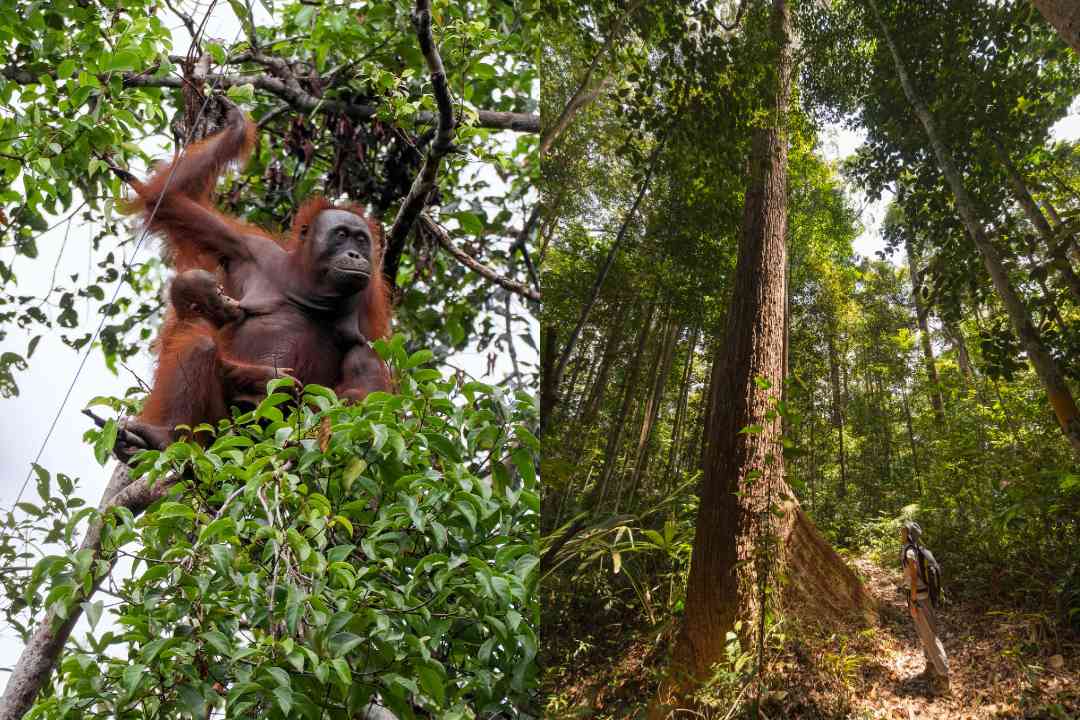
Bornean orangutans live only on Borneo island. Their population has fallen by more than half since the last century. Forest fires, illegal logging, and land clearing destroy their homes. As a result, many young orangutans lose their mothers and need rescue.
The government and conservation groups work hard to protect biodiversity. They focus strongly on orangutans because these animals help spread forest seeds. Without them, the rainforest would struggle to survive. Releasing rehabilitated orangutans back into protected areas helps rebuild wild groups.
Travelers who join a Borneo wildlife tour also support these efforts. Park fees and eco tourism programs contribute to habitat protection. Therefore, visiting Tanjung Puting does more than create memories. It helps protect one of the world’s most important rainforests.
Welcome to Tanjung Puting National Park
Tanjung Puting National Park sits in West Kotawaringin, Central Kalimantan. The land stretches across low plains near sea level. The park includes tropical rainforest, freshwater swamp forest, and mangrove forest. Because of this rich landscape, wildlife thrives here.
The park is famous as Indonesia’s largest natural habitat for Borneo orangutans. Experts estimate tens of thousands live across this region. Visitors often see them swinging between trees or feeding near the riverbanks. Each sighting feels magical and personal.
However, orangutans are not the only stars. The park also shelters proboscis monkeys, red leaf monkeys, deer, sun bears, and wild cats. More than two hundred bird species fill the air with sound. Crocodiles live in the rivers, so guides always remind visitors to stay safe.
A Forest Full of Unique Plants
The rainforest here grows rare and beautiful plants. You may spot pitcher plants that trap insects for food. Tall ironwood trees rise above the canopy and stand strong for hundreds of years. Other native trees include meranti, keruing, ramin, jelutung, and gaharu. These species form the heart of Borneo’s ecosystem.
Visiting Orangutan Rehabilitation Sites
Tanjung Puting holds a special place in conservation history. It became Indonesia’s first orangutan rehabilitation center. Today, several important stations welcome visitors during guided tours.
Tanjung Harapan gives guests their first close view of semi wild orangutans. Rangers place food on feeding platforms, and orangutans slowly come down from the trees. Pondok Tanggui focuses on younger orangutans who still learn survival skills. Camp Leakey remains the most famous research center, founded decades ago to study wild orangutan behavior. Sungai Buluh offers a quieter stop where nature feels untouched.
Each site teaches visitors about orangutan life and conservation challenges. Guides share stories about rescue missions and forest protection. These experiences make a Borneo wildlife tour educational as well as exciting.
The Iconic Klotok River Journey
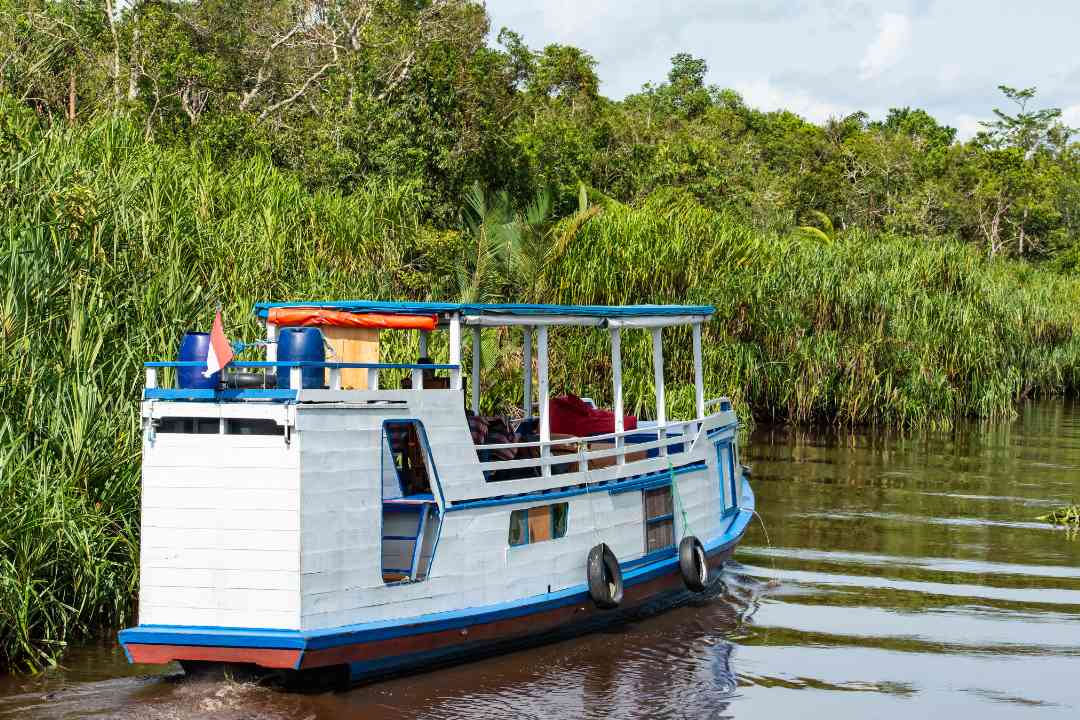
One of the most unforgettable parts of visiting Tanjung Puting National Park is the river journey by klotok. This traditional wooden boat moves slowly along the Sekonyer River. The trip feels peaceful and close to nature.
The klotok also serves as a floating guesthouse. Travelers relax on the upper deck and watch the jungle pass by. Staff prepare fresh meals with local flavors. Service often surprises guests with its comfort and warmth.
At night, the river becomes magical. Fireflies glow along the riverbanks like tiny stars. Guests sleep under mosquito nets while jungle sounds fill the air. In the morning, monkeys and birds often appear near the boat.
Best Time to Visit
The dry season from June to September offers the best conditions. Rain falls less often, and trails stay easier to walk. However, this period is also the busiest. Many klotok boats get fully booked, especially in July and August. Early reservations help avoid disappointment.
More Than Just Orangutans
A Borneo wildlife tour includes many other exciting moments. Visitors may see proboscis monkeys with their long noses jumping between branches. Hornbills glide above the treetops with powerful wings. Monitor lizards rest near the water.
Night trekking adds another layer of adventure. Guides lead small groups into the forest after sunset. The jungle changes at night. Insects glow, frogs call, and nocturnal animals move through the trees. Visitors must follow strict safety rules during these walks. Long pants and proper shoes help prevent scratches and insect bites.
Important Safety Tips
Mobile signal inside the park remains very weak. Travelers should save battery by turning off data. Bright colored clothes work better than dark ones because mosquitoes prefer dark shades. Swimming in the river is very dangerous due to crocodiles. Always listen carefully to the guide’s instructions.
How Tourism Supports Conservation
Responsible tourism creates direct benefits for wildlife protection. Park entrance fees support rangers and habitat monitoring. Local guides earn income from eco tours. Boat crews, cooks, and porters also depend on tourism for their livelihoods.
When visitors choose ethical tour operators, they help protect the forest from harmful industries. This balance between travel and conservation gives hope for the future of the Borneo orangutan.
A Journey You Will Never Forget
A visit to Tanjung Puting National Park offers far more than a simple holiday. Instead, it brings travelers face to face with one of the most intelligent animals on Earth. In particular, watching a mother orangutan care for her baby in the wild creates a deep and lasting memory. At the same time, the quiet forest setting makes the moment feel even more special and personal.
The rainforest air feels fresh and alive. Meanwhile, the river flows slowly under warm golden sunsets. All around, every sound, from bird calls to rustling leaves, reminds visitors they stand inside a living ecosystem. Because of this, many travelers feel more connected to nature than ever before. As a result, the experience often changes the way people see wildlife and conservation.
For nature lovers, photographers, and adventure seekers, a Borneo wildlife tour here delivers a once in a lifetime experience. Not only that, each visit also supports important conservation efforts. In other words, traveling here helps protect the forest and the animals that depend on it. More importantly, protecting orangutans means protecting the rainforest. Likewise, protecting the rainforest helps protect the balance of our planet.
In the end, Tanjung Puting is not just a destination. Rather, it stands as a powerful reminder that humans and wildlife can share the Earth with respect and care. Therefore, every journey here becomes more than travel — it becomes a meaningful step toward a better future for nature.

Comment (0)