Bukit Penulisan Temple
Bukit Penulisan Temple: A Spiritual Oasis in Kintamani, Bali
Bukit Penulisan Temple is a historic tourist attraction in Kintamani, Bali, known for its ancient stone statues, sacred terraces, and remarkable mountain setting. Also known as Pura Puncak Penulisan, this sacred Hindu temple offers a fascinating glimpse into Bali’s ancient civilisation and spiritual traditions. Its elevated location, traditional architecture, and peaceful atmosphere make it a rewarding destination for travellers interested in history, culture, and authentic Balinese heritage.
Located in Sukawana Village, Bangli Regency, Bukit Penulisan Temple stands approximately 1,745 meters above sea level. The temple occupies a hillside overlooking the surrounding highlands of Bali. Visitors can explore its traditional courtyards, discover ancient stone sculptures, and appreciate the cultural significance of one of the island’s important historical temples.
Unlike Bali’s famous coastal attractions, this mountain temple offers a different experience. Its cool highland atmosphere, historic surroundings, and traditional religious practices offer a chance to discover another side of the island. Whether you are exploring Kintamani or planning a cultural sightseeing trip around Bali, Bukit Penulisan Temple deserves a place on your itinerary.
Quick Facts
- Panoramic Views
- Ancient Balinese Architecture
- Spiritual Atmosphere
- Cultural Ceremonies
- Scenic Trekking Routes
ABOUT BUKIT PENULISAN VILLAGE
General Information
Bukit Penulisan Temple is one of Bali’s important historical Hindu temples. Bukit Penulisan Temple is also known as Pura Puncak Penulisan, while locals also call the temple complex Pura Tegeh Koripan. The temple stands on the slopes of Mount Penulisan, an ancient mountain formation in the Kintamani highlands. Its elevated position creates a distinctive setting for a sacred site that has remained religiously important across generations.
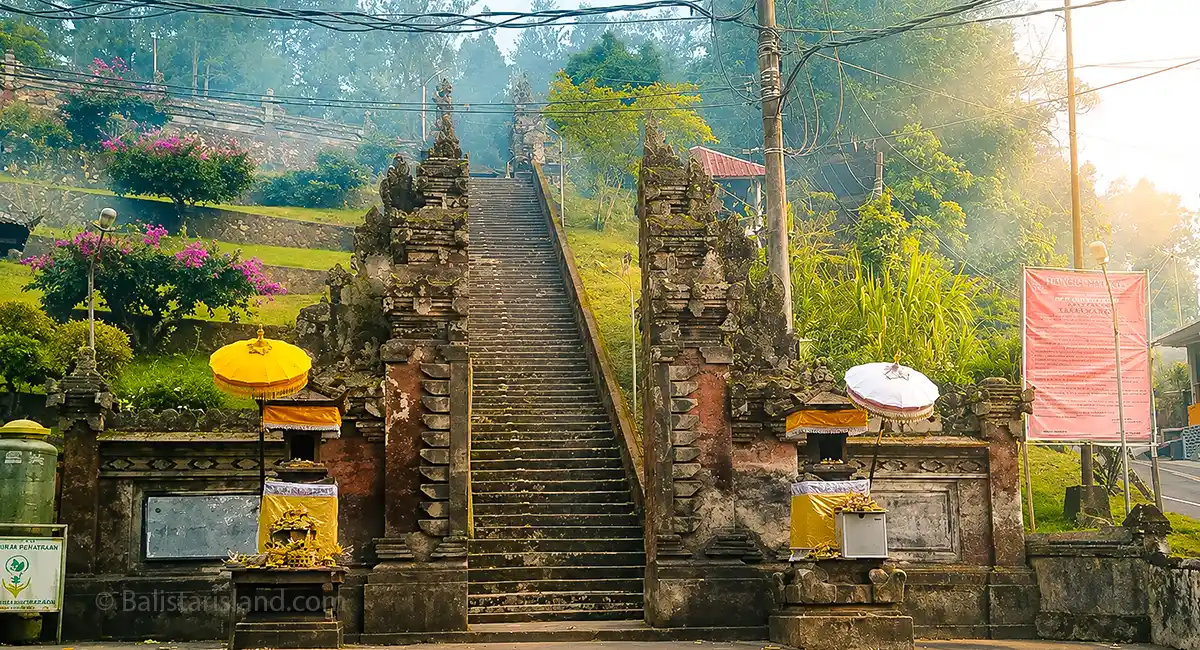
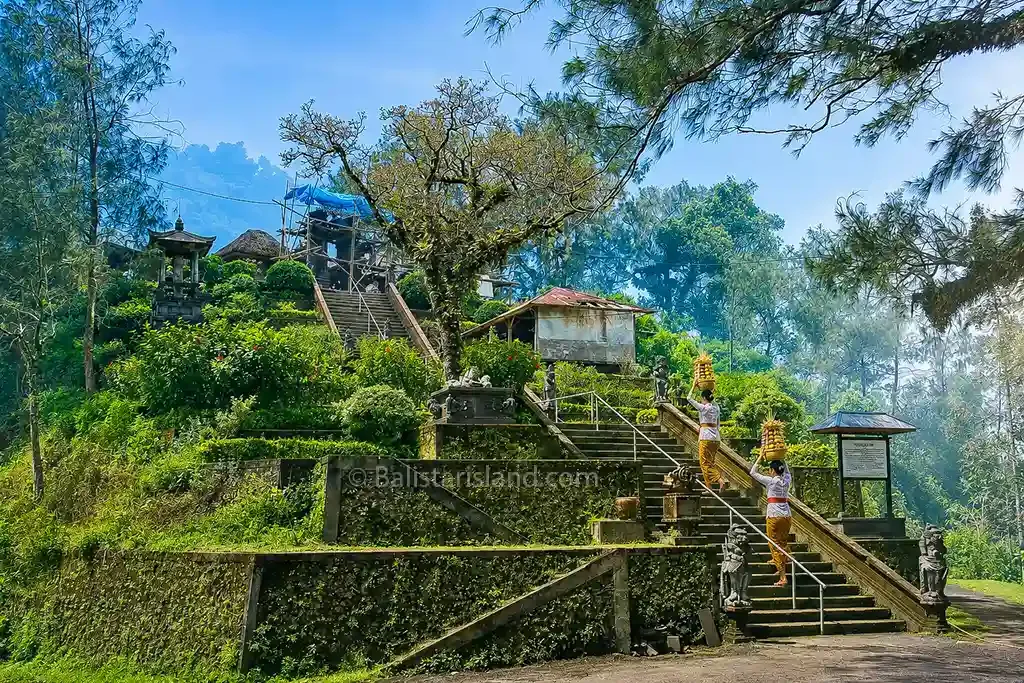
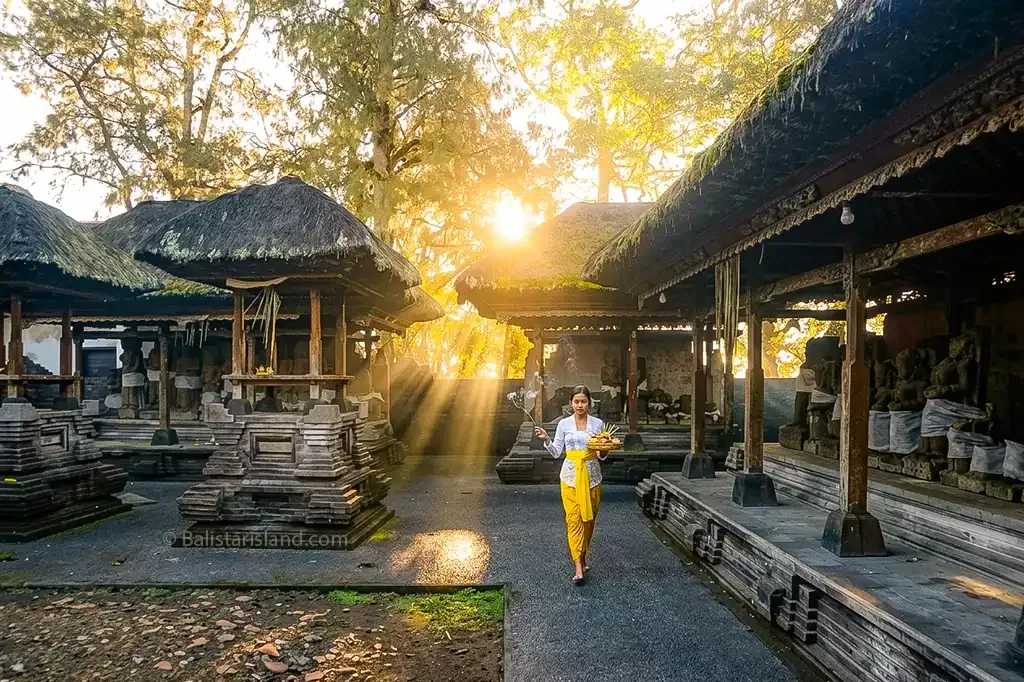
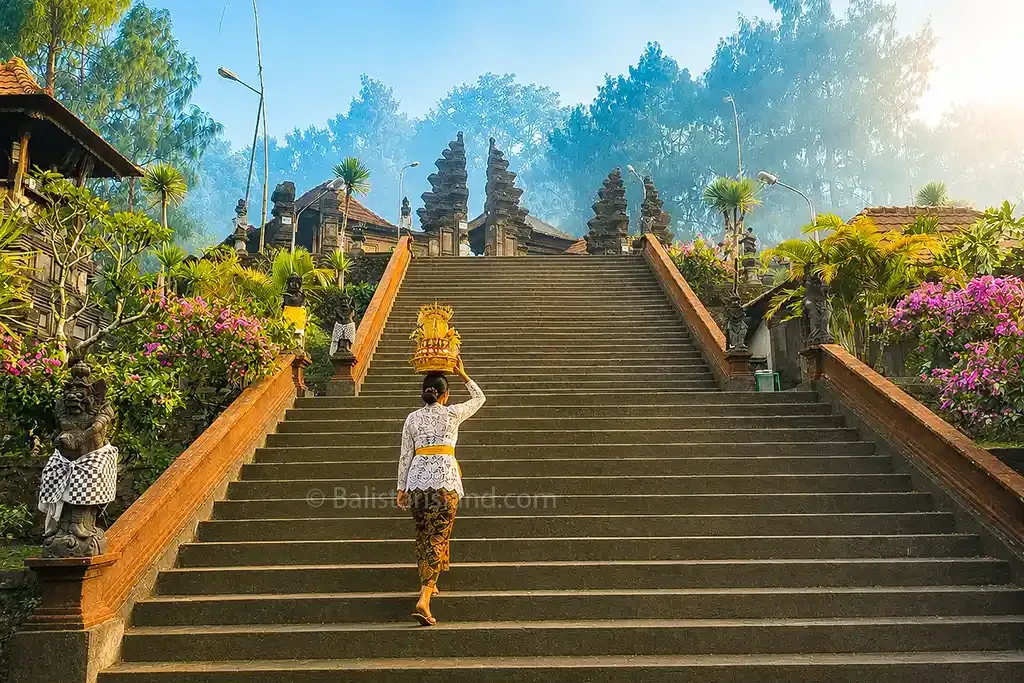
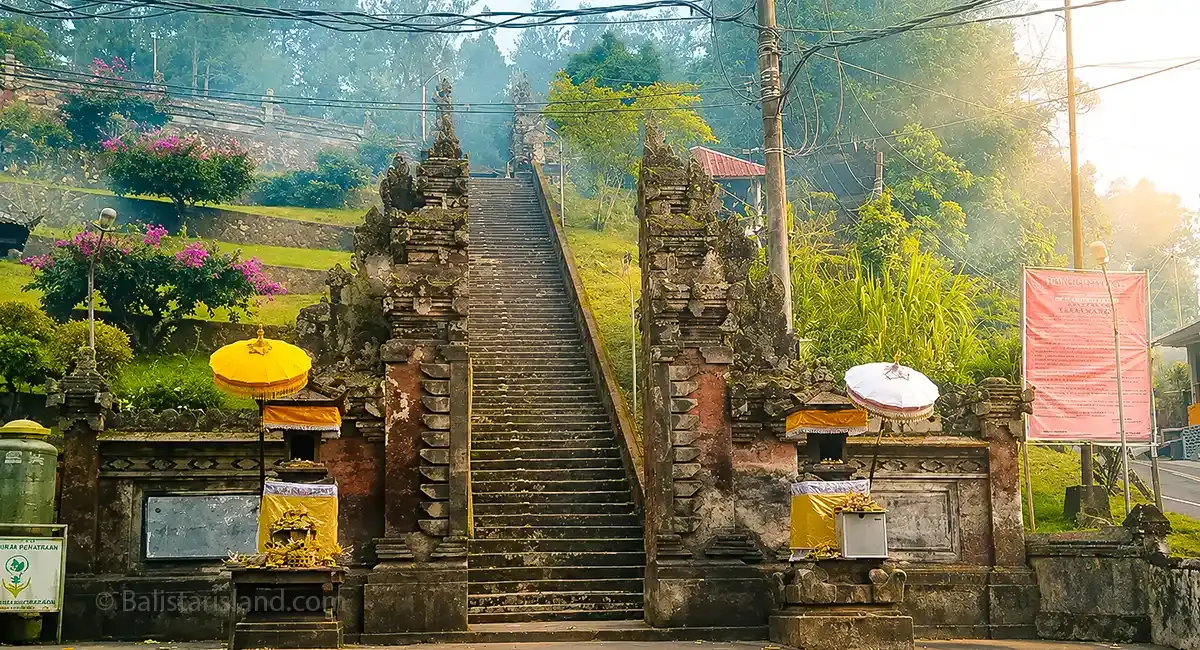
The complex features multiple terraces connected by stone stairways. Its architecture follows the hillside’s natural contours, creating a series of sacred spaces that gradually rise toward the upper courtyard. Visitors can discover traditional Balinese shrines, ancient statues, and stone structures throughout the accessible areas. The temple’s arrangement reflects the relationship between sacred architecture, the surrounding landscape, and traditional Balinese religious beliefs.
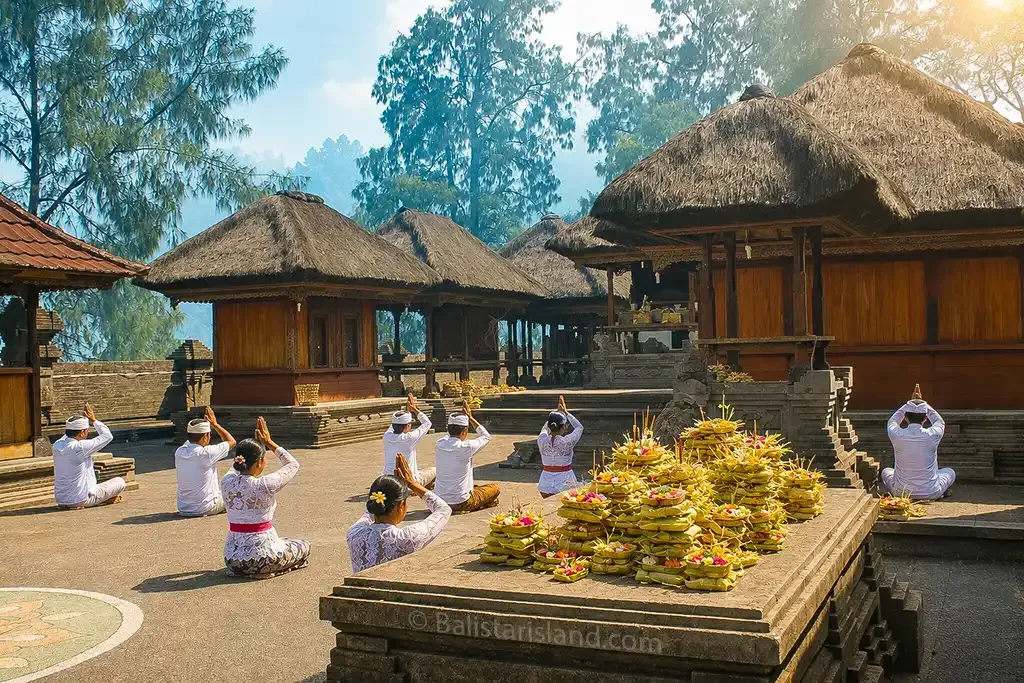
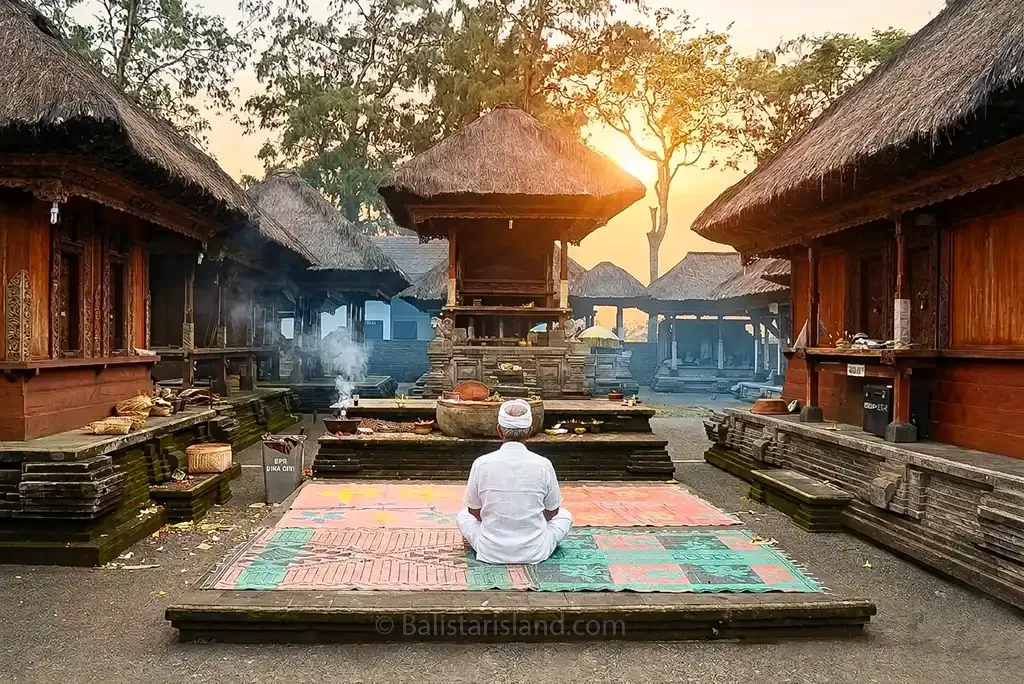
Bukit Penulisan Temple is also an active place of worship. Local communities continue to maintain its religious traditions and conduct ceremonies according to the Balinese Hindu calendar. For travellers, the temple offers a chance to appreciate Bali’s spiritual heritage while enjoying the Kintamani region’s natural beauty.
History of Bukit Penulisan Temple
Ancient Balinese civilisation shaped Bukit Penulisan Temple’s history. Historical and archaeological studies indicate that the sacred site dates back to Bali’s early historical period. The temple is particularly significant because of its ancient stone sculptures and inscriptions. These archaeological remains provide valuable evidence of religious practices, artistic traditions, and cultural connections in early Bali.
Research published by Balinese cultural scholars describes Puncak Penulisan as an important sacred site during the period of the ancient Balinese kingdoms. The temple is associated with a long tradition of ancestor worship and the veneration of rulers. Its historical significance is reflected in the surviving statues and stone artefacts. Some sculptures show artistic characteristics linked to the broader cultural connections between Bali and Java.
The temple complex contains representations of Hindu deities, animal figures, and human forms. These sculptures provide insight into the artistic and religious traditions that developed in Bali over many centuries. The site’s inscriptions are also important historical evidence. They help researchers understand the relationships between religious institutions, local communities, and political authorities during Bali’s early historical period.
Although archaeologists have not established the exact date people first built Bukit Penulisan Temple, archaeological evidence shows they have used the site for religious purposes for a very long time. To understand its history, researchers examine inscriptions, archaeological discoveries, and traditional accounts. The temple also reflects Bali’s ancient traditions of mountain worship. Mountains have long held sacred significance in Balinese Hindu beliefs, representing spiritual connections between the natural world and the divine.
The temple’s elevated location reflects this cultural relationship. Its position on a mountain slope creates a setting that is both physically and spiritually distinctive. Over time, the temple complex developed into a significant religious centre for surrounding communities. Traditional ceremonies and local religious practices continue to connect the temple to the region’s cultural identity.
Today, Bukit Penulisan Temple remains an important cultural heritage destination in Bali. Its ancient statues, traditional architecture, and continuing religious significance offer visitors a valuable perspective on the island’s history.
Highlights of Bukit Penulisan Temple
- Ancient stone statues and archaeological artefacts.
- Traditional Balinese temple architecture.
- Multiple sacred terraces connected by stone stairways.
- A peaceful mountain setting in Kintamani.
- Historical connections to ancient Balinese civilisation.
- Views of the surrounding highlands and mountain landscape.
Things to Do at Bukit Penulisan Temple
Explore the Ancient Temple Architecture
One of the most rewarding activities at Bukit Penulisan Temple is exploring its traditional architecture. The temple’s stone stairways and terraced courtyards create a distinctive architectural experience. Visitors can see how the sacred complex follows the hillside’s natural shape. The courtyard arrangement reflects traditional Balinese approaches to sacred space. Each level contributes to the temple’s overall architectural character. Take time to appreciate the stonework, carved structures, and traditional shrines. These details help explain why the temple is an important cultural attraction in Kintamani.
Discover Ancient Stone Statues
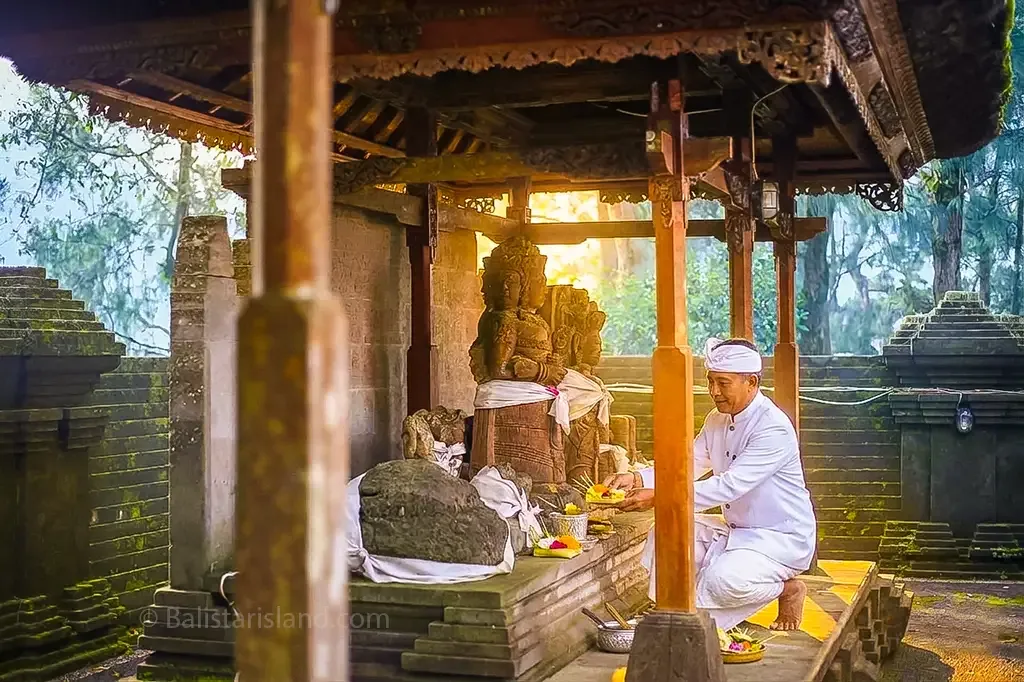
Bukit Penulisan Temple is known for its collection of ancient stone sculptures. The statues include representations of Hindu deities, human figures, and animals. Some sculptures display distinctive artistic features associated with Bali’s early historical period. These archaeological remains offer visitors an opportunity to learn about the religious beliefs and artistic traditions of ancient Bali. When exploring the temple, observe the sculptures respectfully. Some artefacts may be located within sacred or restricted areas.
Enjoy the Mountain Scenery
The temple’s elevated location creates a peaceful atmosphere and a different perspective on Bali’s landscape. Visitors can enjoy the surrounding highlands, fresh mountain air, and views across the Kintamani region. On clear days, the mountain scenery can provide excellent opportunities for photography. However, cloud cover and mist may affect visibility, especially during rainy periods.
Learn About Balinese Hindu Traditions
Bukit Penulisan Temple remains an active religious site. Visitors may encounter traditional offerings, religious ceremonies, or local worshippers during their visit. These experiences provide a deeper understanding of the temple’s continuing cultural importance. Always respect local customs and follow temple staff instructions.
What to Expect During Your Visit
A visit to Bukit Penulisan Temple involves exploring a hillside temple complex with multiple terraces and stone stairways. The climb can be physically demanding for some visitors. Comfortable footwear is recommended, especially when the stone steps are wet or slippery. The temple’s elevated location creates a cooler atmosphere than many coastal destinations in Bali. Weather conditions can change quickly, so visitors should prepare for mist, rain, or cooler temperatures.
The temple is a sacred place of worship. Some areas may be restricted, particularly during religious ceremonies. Visitors should dress modestly and follow local temple etiquette. Photography may be allowed in designated areas, but request permission before photographing worshippers or religious activities. Enjoy the experience at a relaxed pace. Take time to explore the accessible courtyards, appreciate the historical features, and enjoy the surrounding landscape.
Visitor Information
Location
Bukit Penulisan Temple is located in Sukawana Village, Kintamani District, Bangli Regency, Bali, Indonesia. The temple stands on the hillside of Mount Penulisan at approximately 1,745 meters above sea level. Its location makes it a convenient cultural stop for travellers exploring the Kintamani highlands.
Entrance Fee
Entrance fees and donation arrangements may vary according to local management policies. Visitors should confirm the current admission arrangements before travelling. If visiting as part of a tour, check whether any temple entrance fees are included in the package.
Opening Hours
Opening hours may depend on local arrangements and religious ceremonies. Check the current visiting schedule before your trip, especially if you plan to combine the temple with several other destinations.
Visit Duration
Allow approximately 30–60 minutes for a general visit. Visitors interested in history, architecture, and photography may want to spend longer exploring the accessible areas. Additional time may be needed for the stairways and for enjoying the mountain scenery.
Facilities
Basic visitor facilities may be available near the temple entrance and in the surrounding area. Facilities can change, so visitors should prepare in advance and avoid relying on unconfirmed services.
Dress Code
Visitors should dress modestly when entering Bukit Penulisan Temple. You may need a sarong and sash. Follow local instructions regarding appropriate temple attire and access to sacred areas. Comfortable footwear is also recommended because the temple has stone stairways and uneven surfaces.
How to Get to Bukit Penulisan Temple
Bukit Penulisan Temple is accessible by road from several popular destinations in Bali. The most convenient option for many international travellers is a private car with a driver. This lets visitors explore the Kintamani region without arranging separate transportation for each destination.
From Ubud, the journey passes through the central highlands of Bali. Visitors travelling from southern Bali should allow additional time for the longer journey and possible traffic. You can also combine the temple with a visit to Kintamani and other nearby cultural attractions. Because the temple is located in a mountain area, road conditions and weather may affect travel time. A driver familiar with the region can help make the journey more convenient.
Best Time to Visit Bukit Penulisan Temple
The morning is a good time to visit Bukit Penulisan Temple. The mountain air is often cooler, and the morning light can provide attractive conditions for photography. Visitors may also enjoy a more peaceful atmosphere before the busiest sightseeing periods. Clear weather is particularly important for enjoying the surrounding mountain scenery. During rainy periods, mist and cloud cover can reduce visibility.
You can visit the temple year-round, but take extra care in wet weather. Stone stairways may become slippery after rain. Late afternoon may also suit a cultural visit, provided you have enough time to explore before the temple closes. If you wish to observe a religious ceremony, check local arrangements in advance. Ceremonies can provide valuable cultural insight but may affect visitor access.
Nearby Attractions to Explore
Bukit Penulisan Temple is an excellent addition to a sightseeing itinerary in Kintamani. The surrounding region offers several cultural and natural attractions that can be combined into a day trip.
Mount Batur
Mount Batur is one of Bali’s best-known volcanic landmarks. Visitors can enjoy views of the mountain and surrounding highlands from several locations around Kintamani.
Lake Batur
Lake Batur is a scenic volcanic lake situated within the Batur caldera. Its surrounding landscape provides a peaceful contrast to the temple’s historical architecture.
Penglipuran Village
Penglipuran Village is known for its traditional Balinese architecture and distinctive village layout. It is a rewarding destination for travellers interested in local culture and community traditions.
Kehen Temple
Kehen Temple is another important historical Hindu temple in Bangli. Visitors interested in Bali’s ancient religious heritage can combine both temples in a wider cultural sightseeing itinerary.
Tips for Visiting Bukit Penulisan Temple
- Consider combining the temple with nearby attractions in Kintamani.
- Wear modest clothing and follow the temple’s dress code.
- Bring comfortable footwear suitable for stone stairways.
- Visit during clear weather for better mountain views.
- Bring a light jacket, as the highland air can be cool.
- Take extra care when walking on wet or uneven stone steps.
- Ask permission before photographing worshippers or religious activities.
- Respect restricted areas and follow temple staff instructions.
- Check current admission arrangements and visiting hours before travelling.
- Allow additional travel time when visiting from southern Bali.