Badung Traditional Market
Exploring Bali’s Badung Traditional Market: Kumbasari, Senggol, and Night Markets
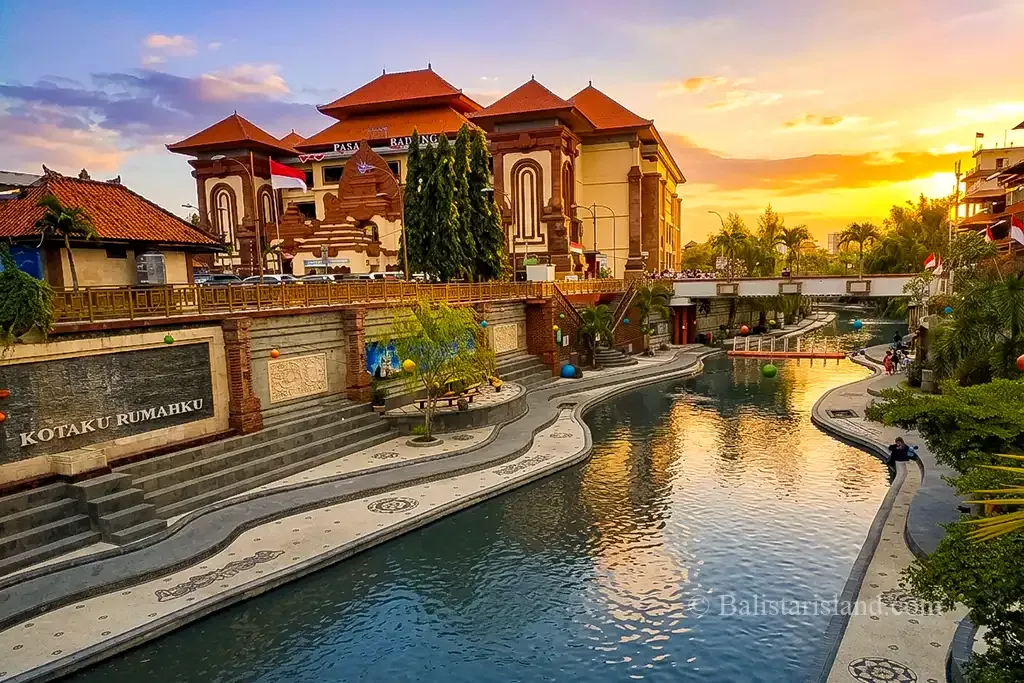
Badung Traditional Market stands as the economic nucleus of the town, situated along Gajah Mada Street—the primary thoroughfare and a bustling shopping hub in Bali. Adjacent to the village temple, one of Denpasar’s three largest temples, this traditional market has undergone transformative changes to meet evolving needs and support the town’s growth.
Although not initially as expansive, the market has grown to its current size through experience and adjustment, ensuring it remains a vibrant and essential part of the local economy. For residents, a shopping trip is incomplete without a visit to Kumbasari Market, especially for Balinese seeking ceremonial items. The market across the river complements the Denpasar Traditional Market, creating a comprehensive shopping experience that meets the community’s diverse needs.
Quick Facts
- Badung Traditional Market
- Kumbasari Market
- Senggol Market
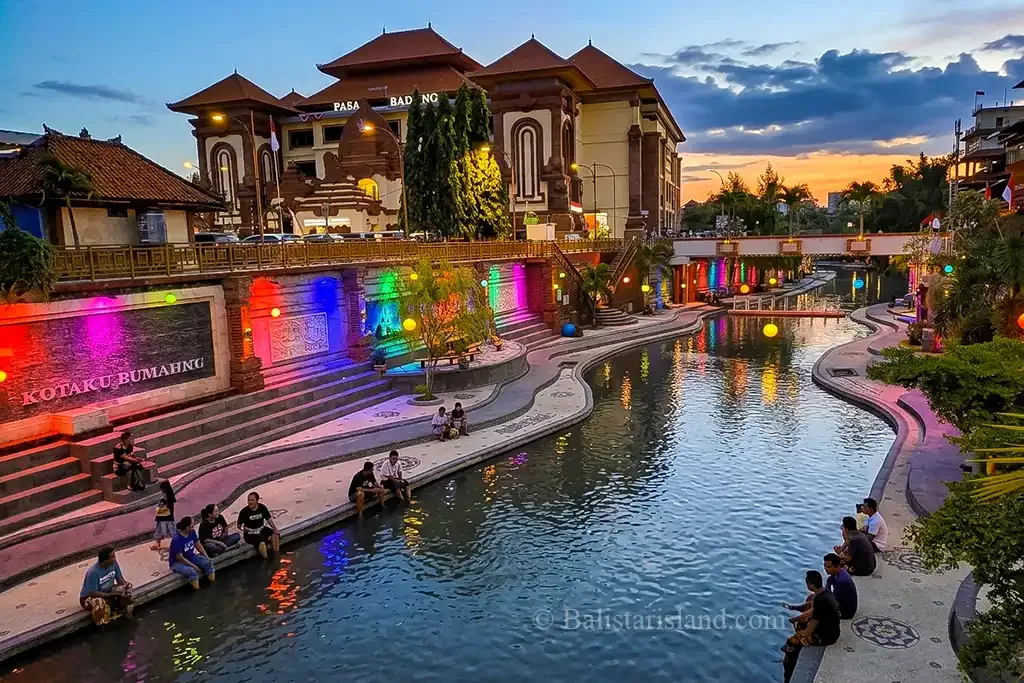
- Badung Night Market
ABOUT BADUNG MARKET
General Information
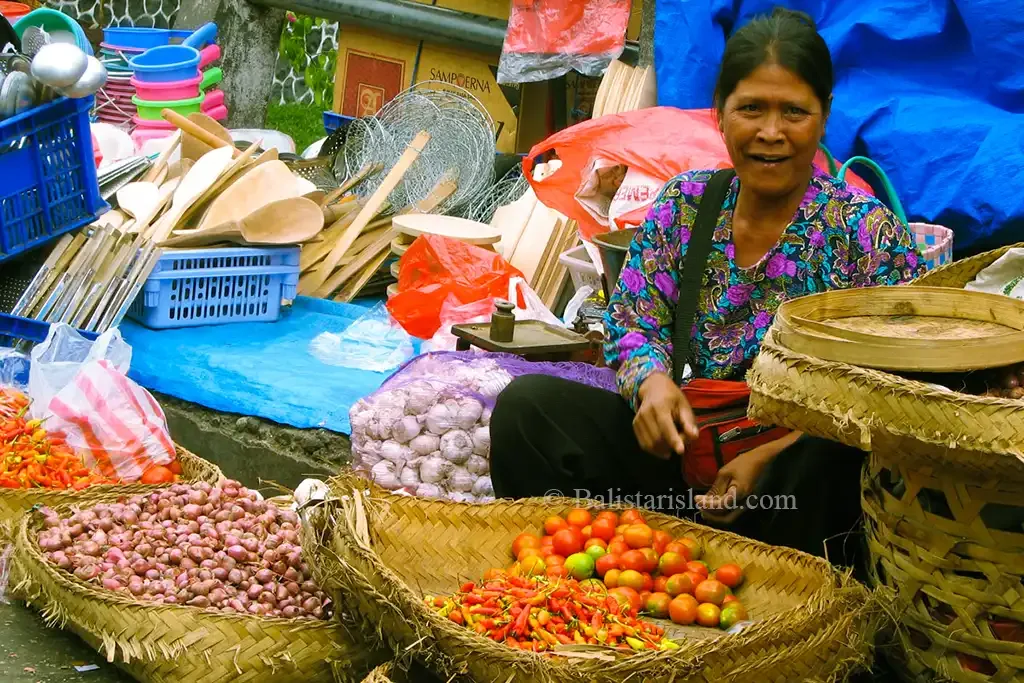
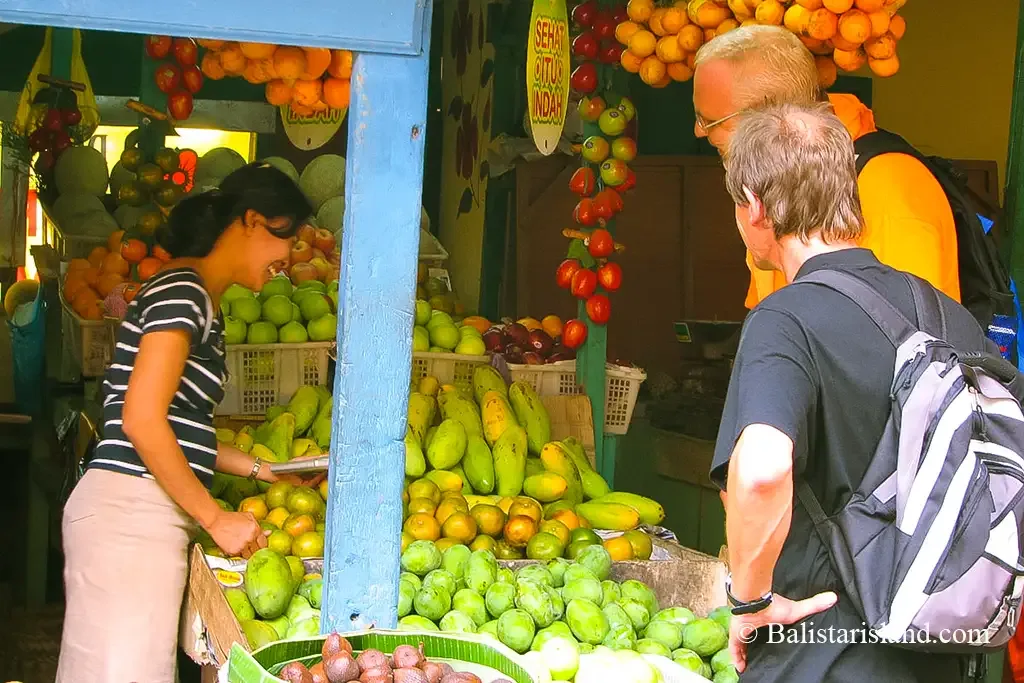
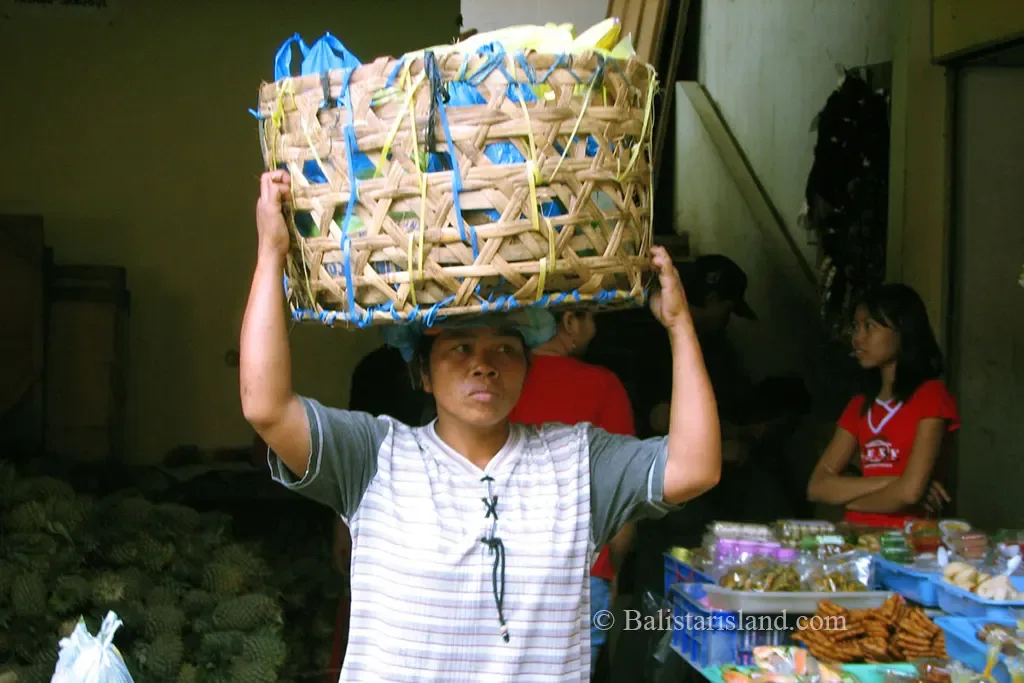
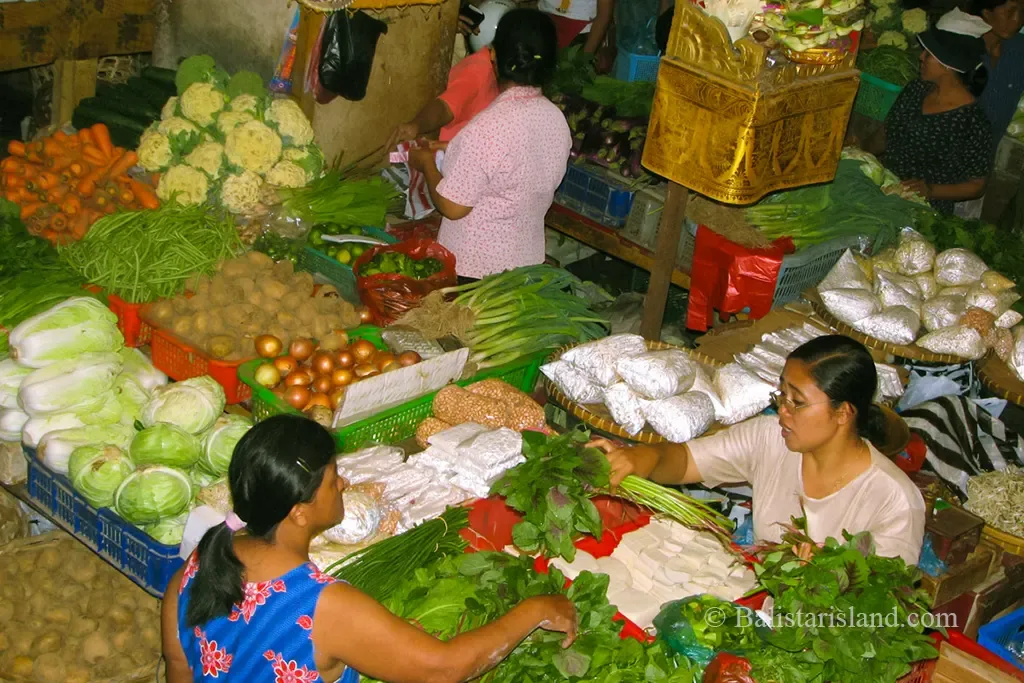
Badung Traditional Market is the largest and most central market in Bali, attracting locals and tourists alike. Open daily, this market is a dynamic hub offering fresh produce, spices, and textiles. Visitors can also find local handicrafts and traditional Balinese ceremonial items. This market is divided into several sections, including Kumbasari and Senggol. It offers an immersive insight into Bali’s daily life and cultural heritage.
History
Established during the Dutch colonial era, Badung Traditional Market has evolved from a modest marketplace to a bustling centre of trade and culture. Over the years, it has undergone renovations and expansions to accommodate the community’s growing demands. The market serves as a key focal point for Balinese commerce. It connects local producers with consumers while preserving traditional trading practices.
The Highlight
- Badung Traditional Market: Explore the main market area, known for its vibrant stalls offering a wide range of fresh produce, spices, and traditional crafts.
- Kumbasari Market: Delve into the adjacent Kumbasari Market, where you’ll find a treasure trove of textiles, clothing, and intricate Balinese souvenirs.
- Senggol Market: Experience the unique atmosphere of Senggol Market, known for its diverse goods, including flowers, kitchenware, and ceremonial items.
- Badung Night Market: As the sun sets, venture to the Badung Night Market, where local food vendors create a lively and delicious evening scene.
Visit Badung Traditional Market
Visiting Badung Traditional Market is not just a shopping experience; it’s a cultural journey. Wander through the vibrant aisles, interact with friendly locals, and savour the authentic flavours of Bali’s bustling markets.
Bali Tourist Attractions
Badung Traditional Market authentically represents Bali’s cultural and commercial vibrancy. It is a must-visit for travelers seeking a deeper connection to the island’s heritage.
Embark on a sensory journey near the market, where the vibrant pulse of local life intertwines with cultural riches. Explore the spiritual tranquillity of Jagatnatha Temple and delve into Bali’s history at the nearby Bali Museum. Immerse yourself in traditional and contemporary Balinese arts at the Bali Art Centre. Then, witness the symbolic struggle for independence at the iconic Bajra Sandhi Monument. For a sacred retreat, visit the revered Sakenan Temple or enjoy the serene coastal beauty of Sanur Beach. The market and neighbouring attractions create a dynamic tapestry for travellers. Together, they invite visitors to experience the essence of Bali’s culture, art, and spirituality.