Penglipuran Village
Penglipuran Village: Bali’s Cleanest Ancient Village
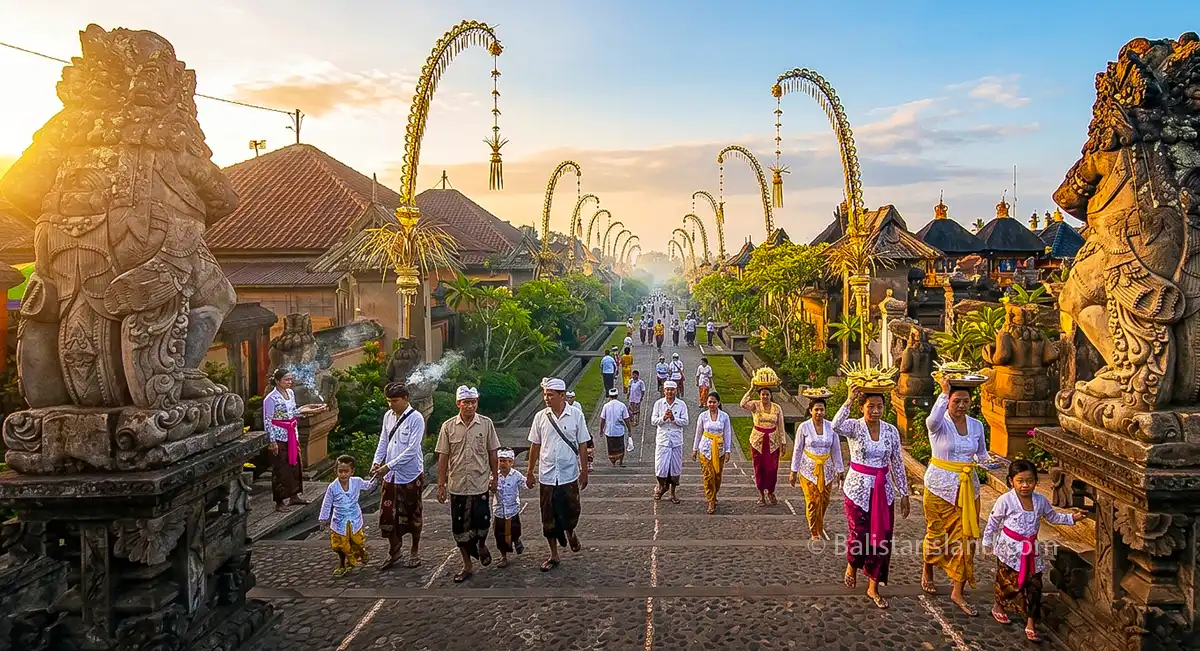
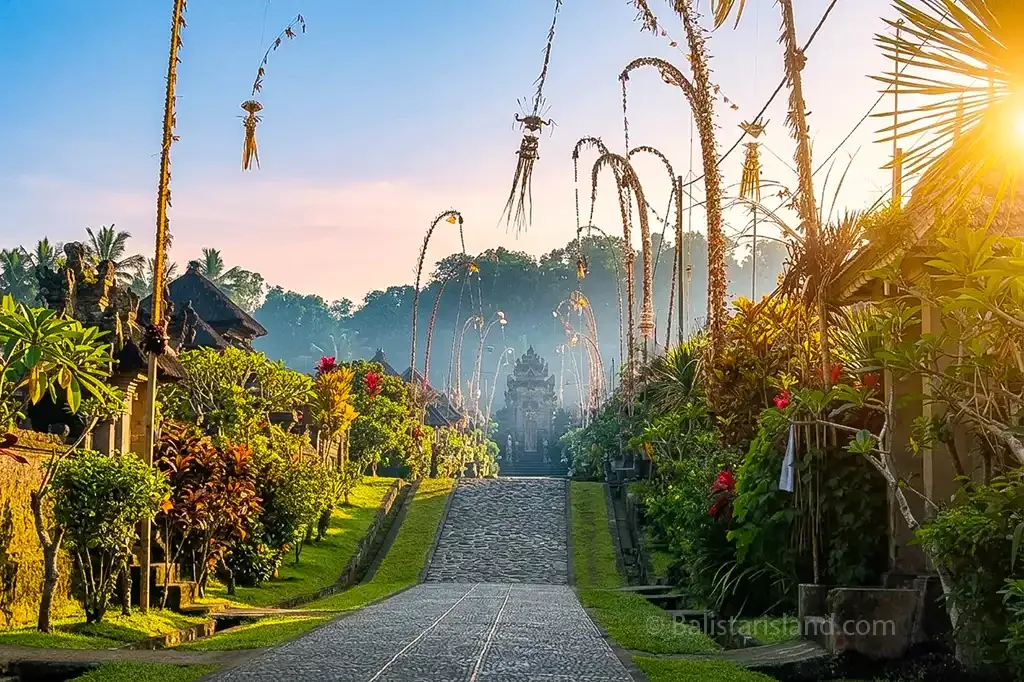
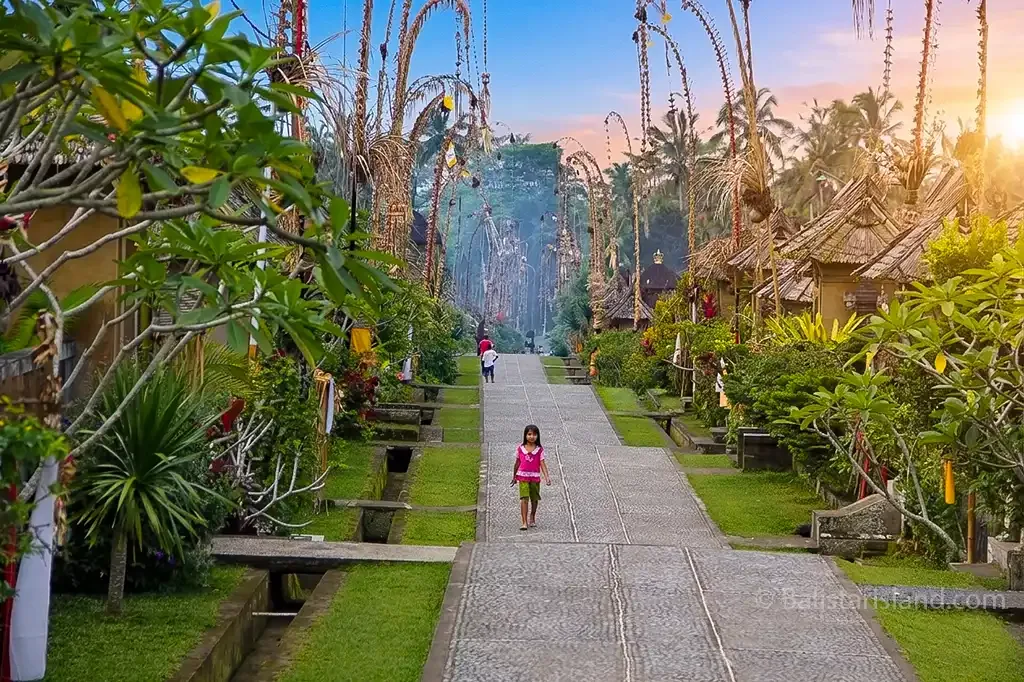
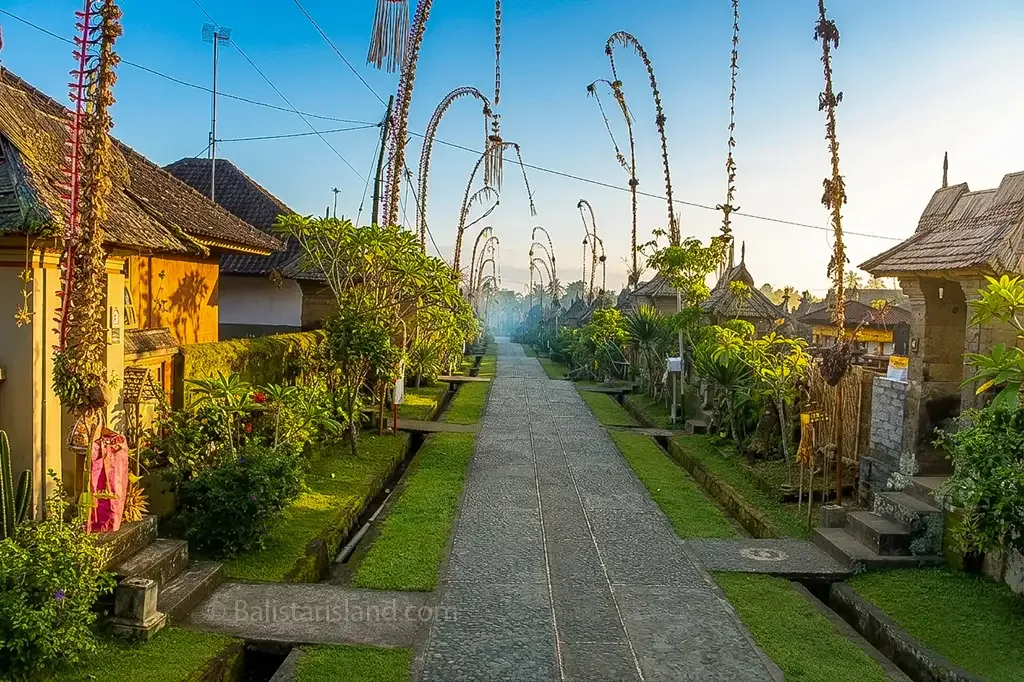
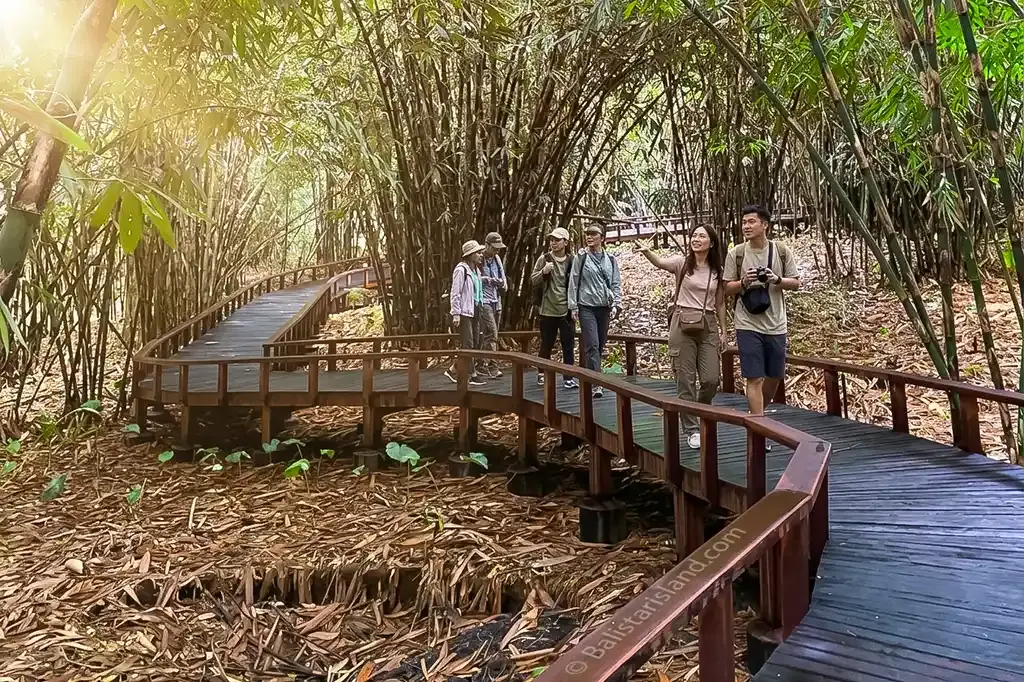
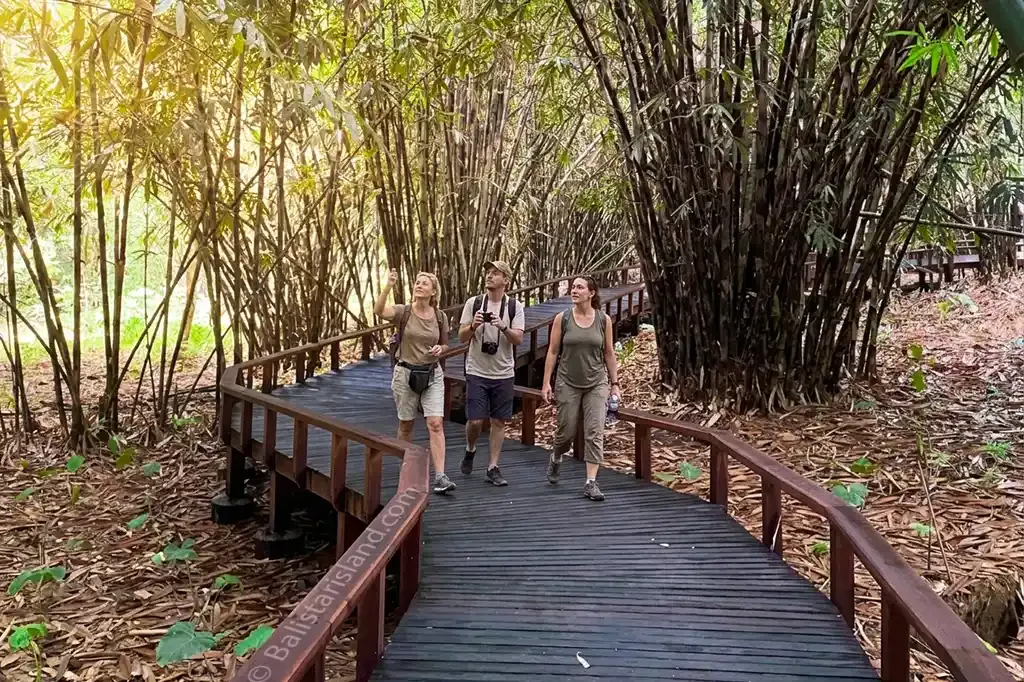
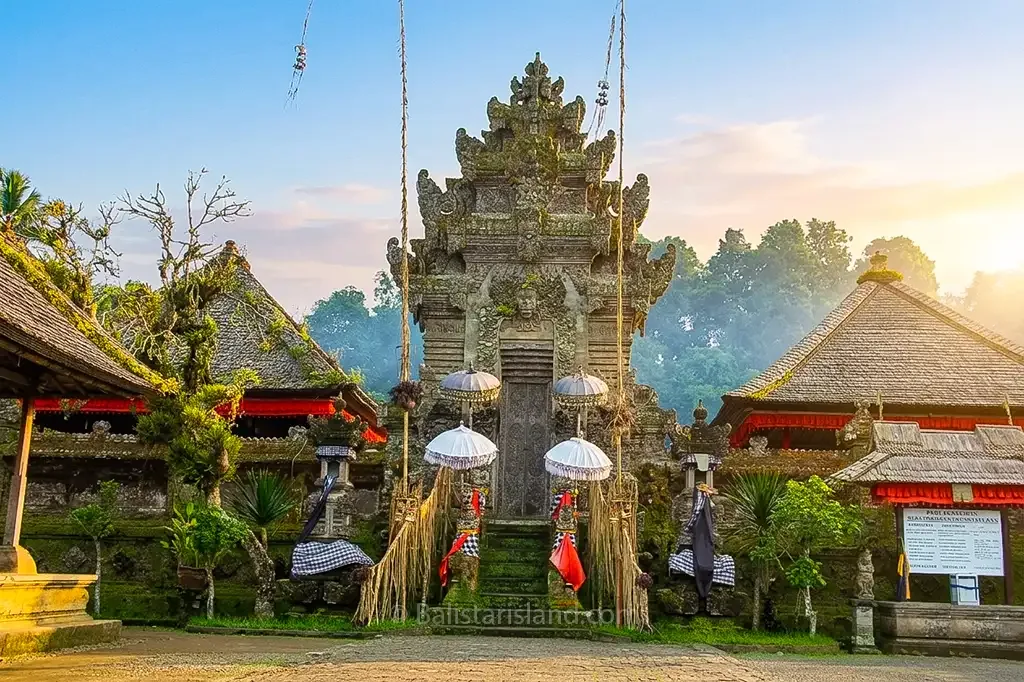
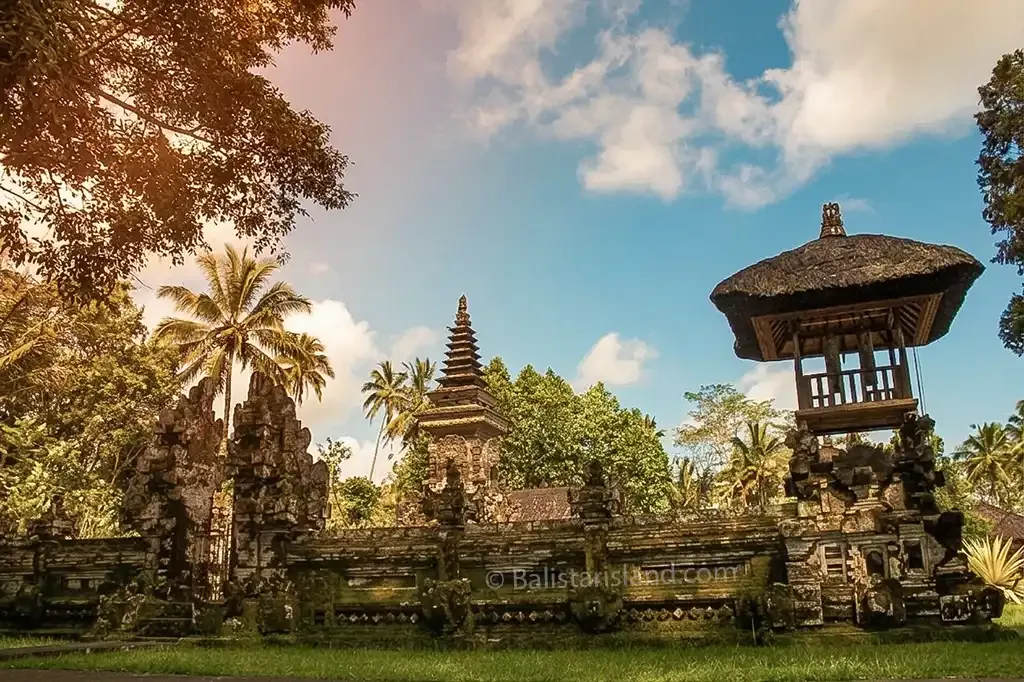
Penglipuran Village, often celebrated as the “Cleanest Village in the World,” is situated in the highlands of Bangli, Bali. Renowned for its pristine beauty and steadfast preservation of traditional Balinese customs, Penglipuran stands as a living testament to the island’s rich heritage. As you enter this enchanting village, meticulously maintained stone pathways, conventional thatched-roof houses, and lush bamboo groves greet you, weaving a narrative of timeless serenity.
Penglipuran, aptly named the “Cleanest Village,” captivates visitors with its immaculate surroundings and commitment to preserving Balinese culture’s authenticity. The community’s dedication to maintaining its unique architectural style and cultural practices positions Penglipuran as a shining example of Bali’s traditions. Whether you’re strolling through the village’s scenic lanes or engaging with warm-hearted locals, Penglipuran invites you to experience the essence of Bali’s cultural richness, offering a tranquil retreat from the pace of modern life.
Quick Facts
- Immaculate Streets
- Traditional Architecture
- Cultural Ceremonies
- Community Hospitality
- Lush Green Landscapes
ABOUT PENGLIPURAN VILLAGE
General Information
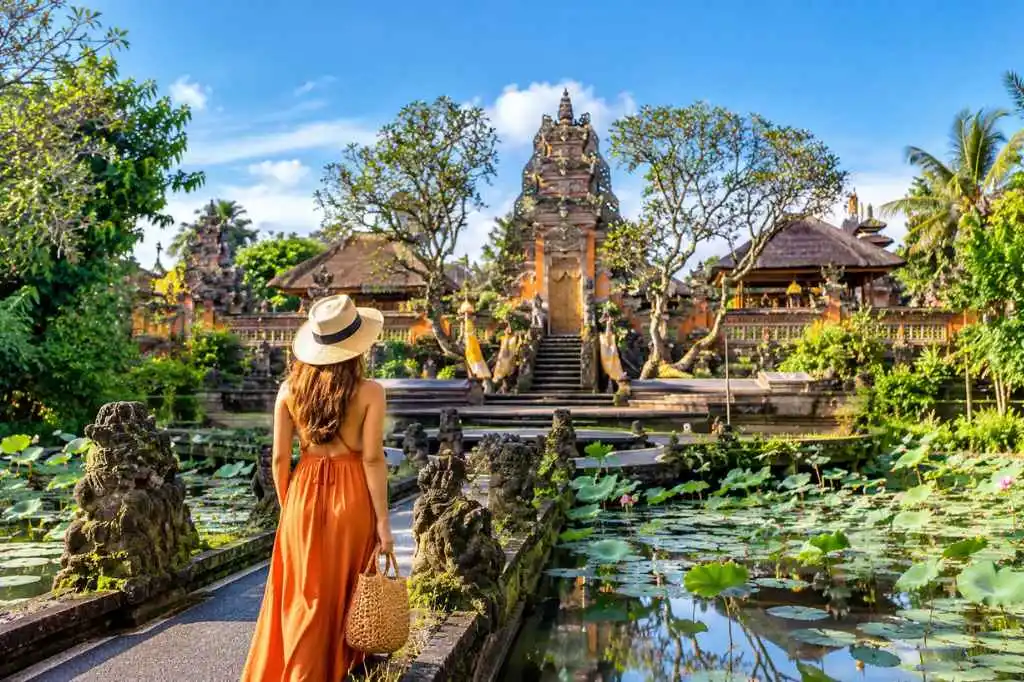
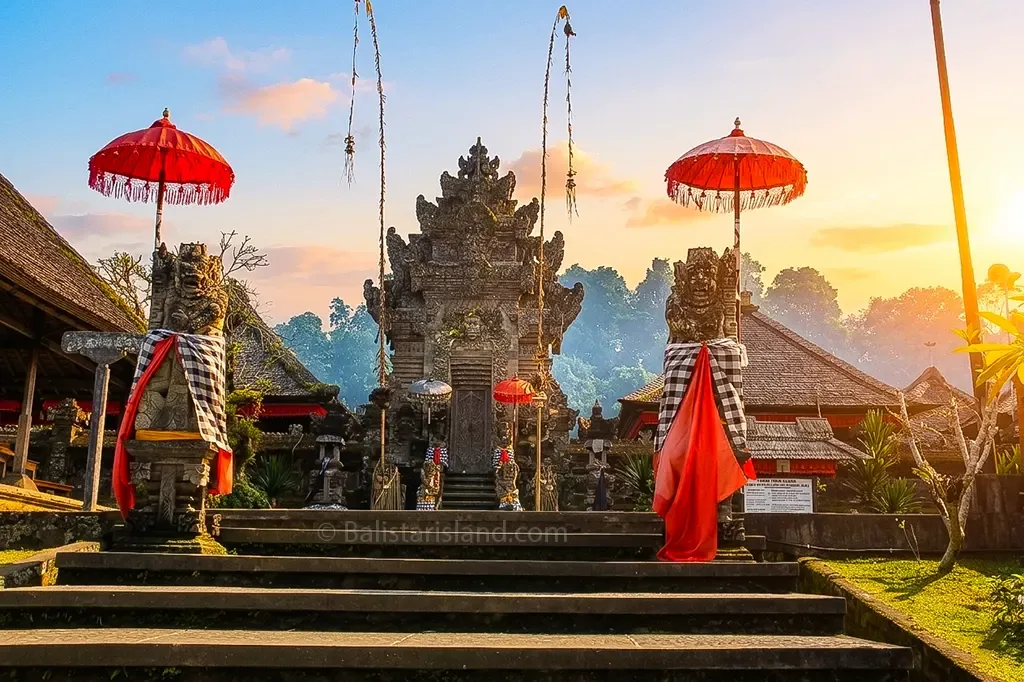
Penglipuran Village, located in the Bangli Regency of Bali, is a captivating destination known for its immaculate surroundings and traditional Balinese architecture. The village features rows of identical houses with intricately carved gates, surrounded by lush green landscapes. The unique layout reflects the community’s commitment to preserving its cultural identity and pristine environment, making it a must-visit destination for those seeking an authentic Bali experience.
History
Research indicates that Penglipuran Traditional Village has a rich history dating back to the Bangli Kingdom, approximately 700 years ago. Penglipuran originates from combining “pengling” and “pura.” “Pengeling” denotes a reminder, rooted in the phrase “eling”, meaning “remember, while “pura” signifies a place or ancestral land.
Ancestral Roots and Migration:
The elders, known as Penglingsir, recount that the forebears of Penglipuran Village originated from Bayung Gede Village in Kintamani. Embarking on arduous journeys, they rested in an area called Kubu, spanning 25 kilometres by ancient standards. Consequently, Penglipuran Village was initially recognised as Kubu Bayung Village, highlighting its connection to the Bayung people living in the Kubu region.
As the Bayung population in the Kubu area grew, they eventually established an independent village, freeing themselves from obligations to Bayung Gede. The town erected its sacred site, Pura Kahyangan Tiga, while retaining the village layout and ancestral concepts reminiscent of Bayung Gede Village.
Delving into the origin of the term “Penglipuran,” two distinct perceptions emerge among the locals. The first interprets Penglipuran as a “pengeling temple,” where “pengeling” signifies remembrance and “pura” denotes an ancestral place. The second perception suggests that Penglipuran originates from “pelipur,” meaning entertain, and “lipur,” meaning unhappiness. Combined, Penglipuran is thought to represent a place of solace. This perception is rooted in the historical accounts of the King of Bangli frequently visiting the village for meditation and relaxation, contributing to its unique identity.
The Highlights:
Explore the enchanting features of Penglipuran Village:
- Immaculate Streets: Walk along spotlessly clean village streets, a testament to the community’s dedication to cleanliness.
- Traditional Architecture: Admire uniform Balinese houses with intricately carved gates that showcase the village’s cultural identity.
- Cultural Ceremonies: Witness traditional rituals and ceremonies that offer insights into Penglipuran’s spiritual heritage.
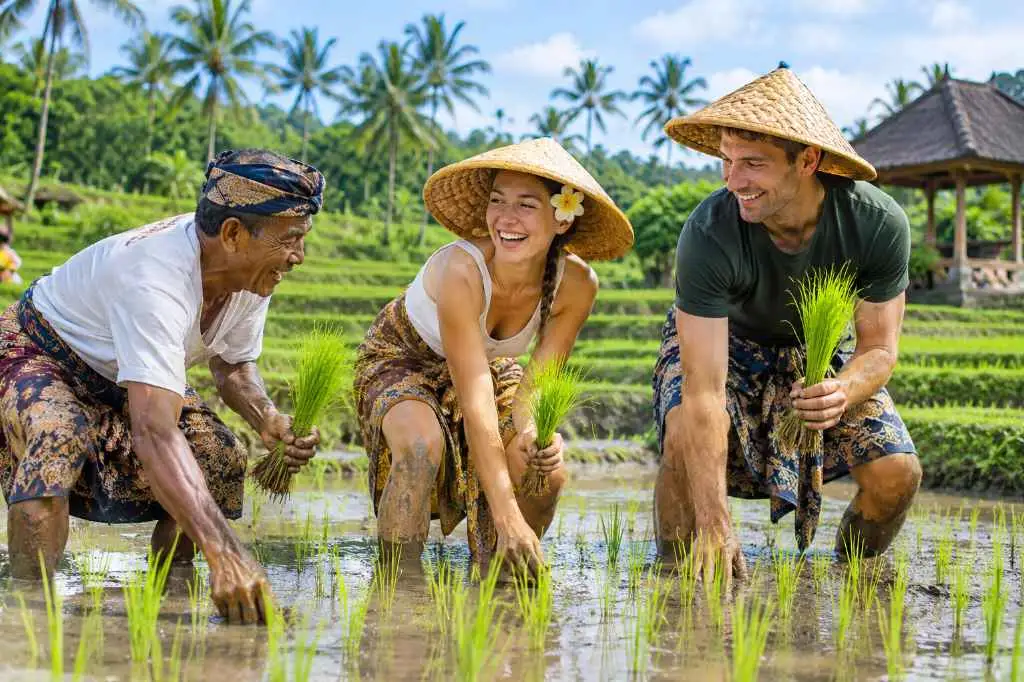
- Community Hospitality: Experience warm local hospitality and gain a deeper understanding of their way of life.
- Lush Green Landscapes: Surround yourself with the natural beauty of Penglipuran’s landscapes for a serene, picturesque setting.
Related Tours
Enhance your exploration with related tours such as the Kintamani Tour, Kintamani Volcano VW Safari Expedition, and Bali Tour Packages. These experiences let you delve deeper into the cultural and natural wonders surrounding Penglipuran Village, offering a comprehensive Bali experience.
Other Tourist Attractions in the Area
Venture beyond Penglipuran Village to discover the cultural richness of Kintamani and its surroundings. Explore attractions like Kintamani Bali, Batur Temple, Bukit Penulisan Temple, Kehen Temple, Dusun Kuning Waterfall, and Kintamani Coffee Plantations. Each destination adds a unique layer to Bali’s natural and cultural tapestry.