Pulaki Temple
Pulaki Temple: Sacred Clifftop Sea Temple of North Bali
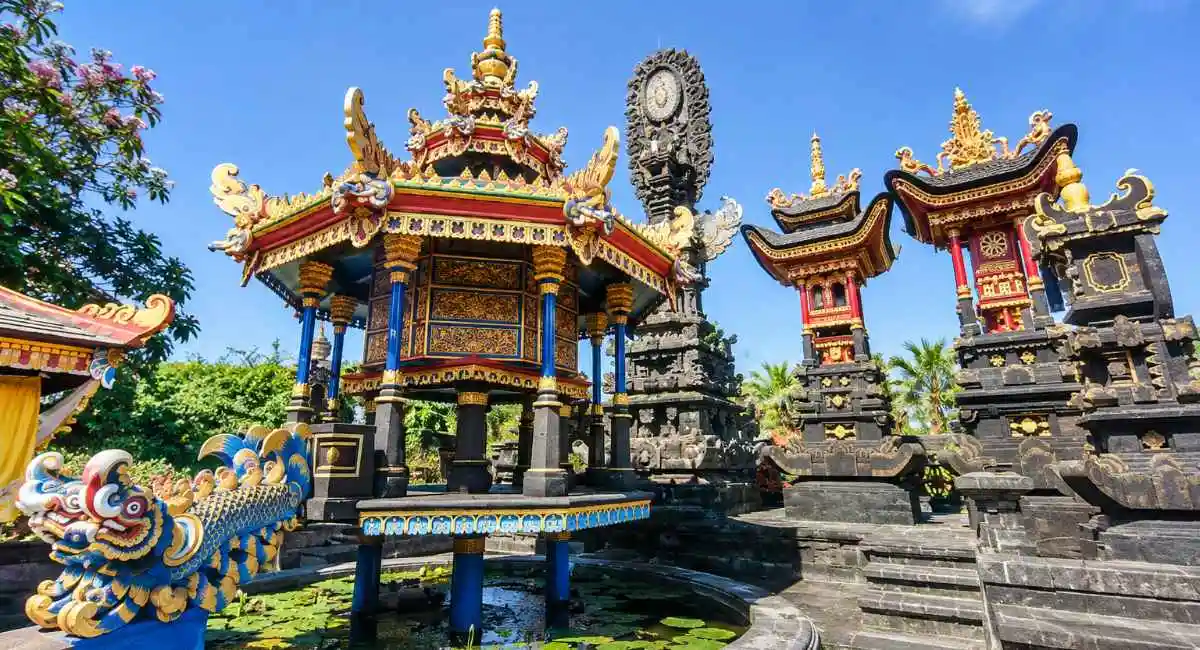
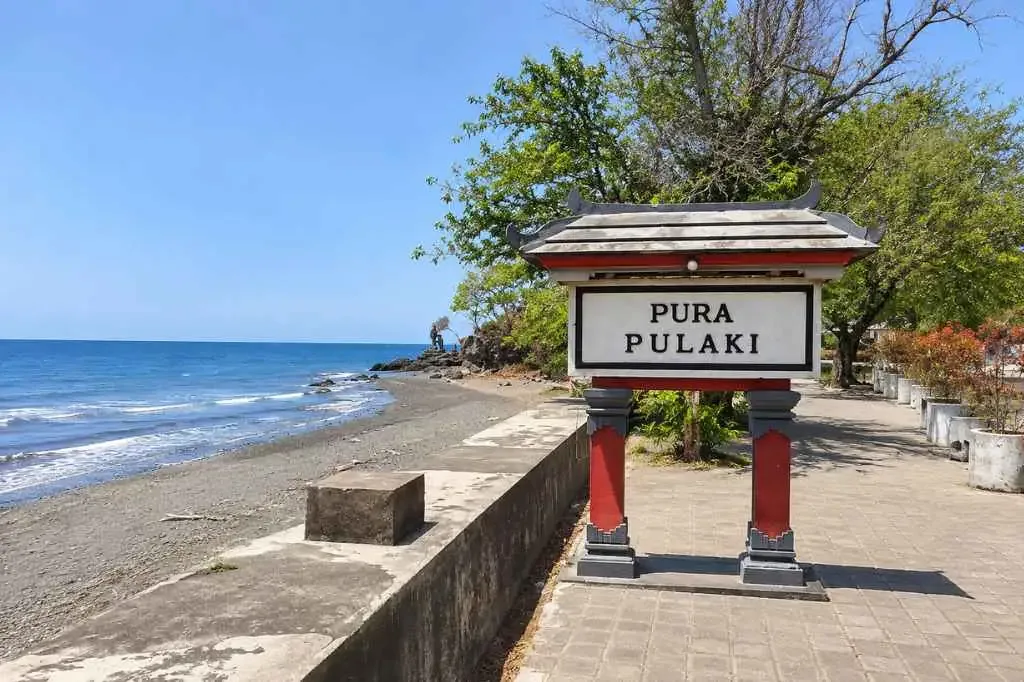
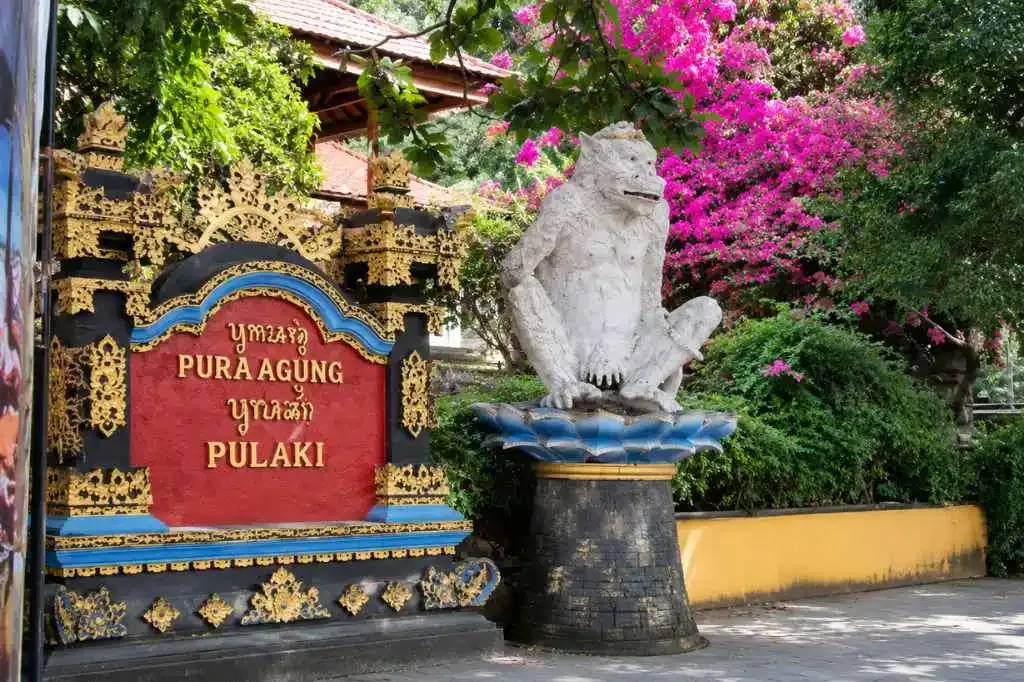
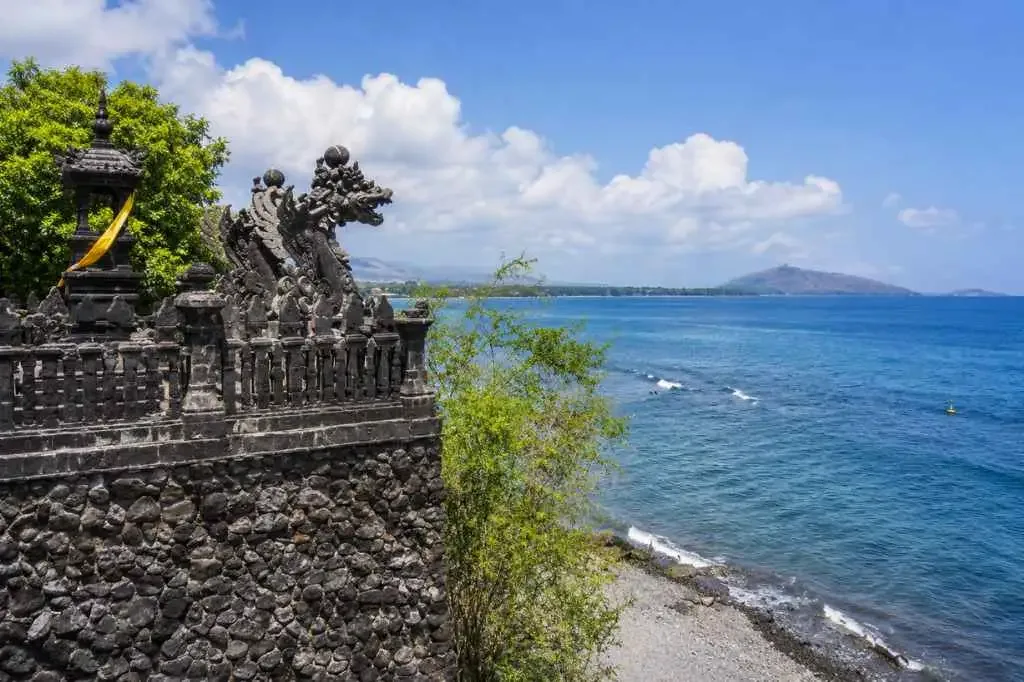
Pulaki Temple rises dramatically against a sheer black volcanic cliff along the northern coast of Buleleng Regency, offering international travellers a striking blend of spirituality and coastal scenery. Locally known as Pura Pulaki, this revered Balinese Hindu sea temple overlooks the calm waters of the Bali Sea just east of Pemuteran. Unlike busier southern landmarks, the sanctuary rarely feels crowded, letting you admire its intricate stone shrines in a peaceful setting.
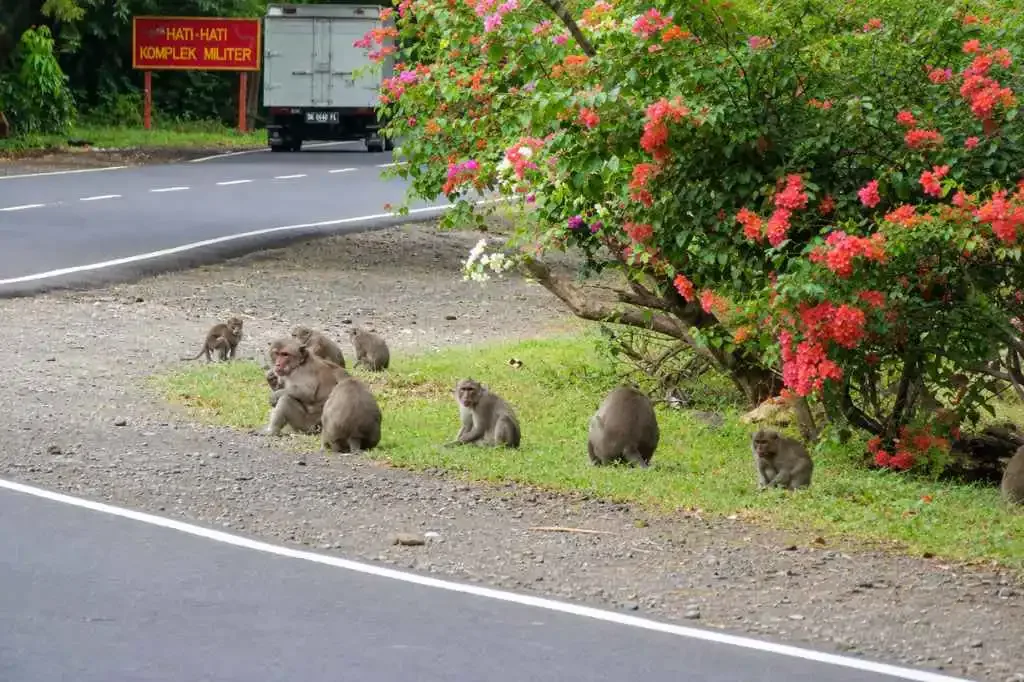
Furthermore, hundreds of wild long-tailed macaques inhabit the rocky hillside surrounding the courtyards. Whether you pause on your way to northwest Bali or come to experience authentic temple culture, visiting this sacred site reveals a dramatic side of the island.
Quick Facts
- Architectural Splendor
- Rocky hillside overlooking the sea
- Spiritual Significance
- Aggressive Monkeys
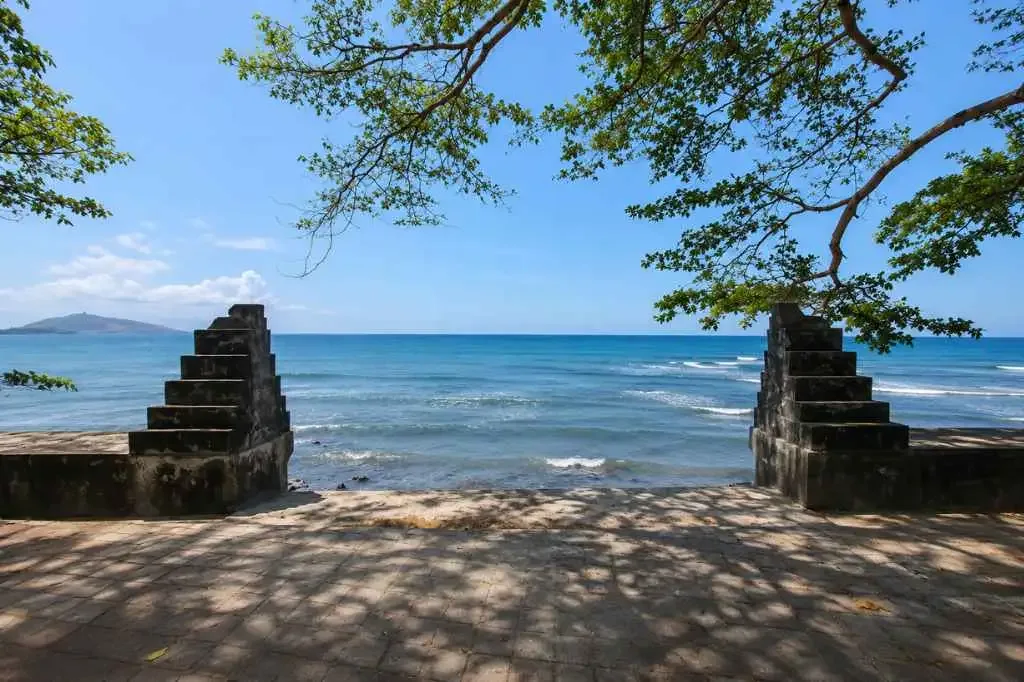
- Stunning Beach View
ABOUT PULAKI TEMPLE
General Information
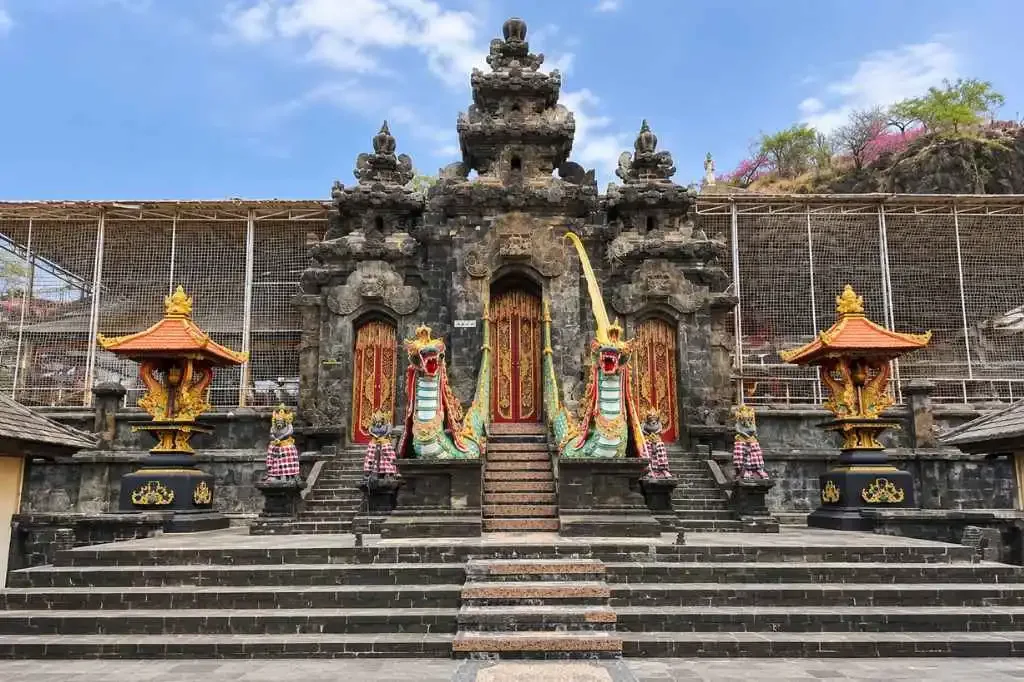
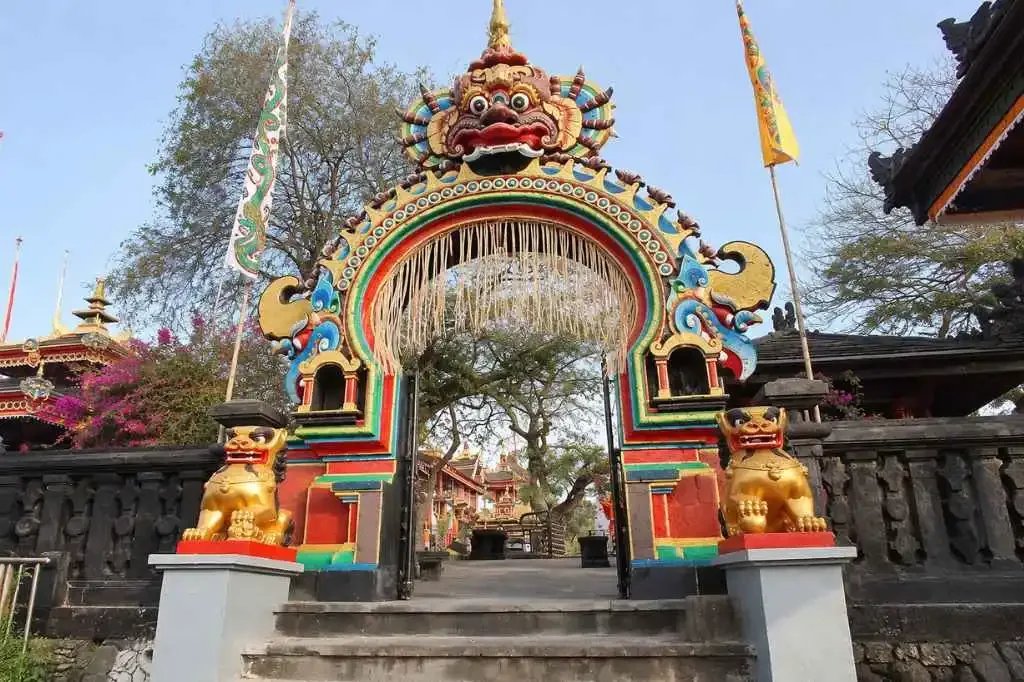
Pulaki Temple sits alongside the main coastal highway between Lovina and Pemuteran, making it an accessible cultural stop in northwest Bali. Its grounds feature traditional shrines, courtyards, stone structures and carved gateways, creating a distinctive setting between the land and ocean. Visitors can explore the open areas, although some inner sections remain reserved for worshippers. As an active place of worship, the temple requires visitors to wear a sarong and waist sash, with shoulders covered. Across the road, towards the beach, you will find parking spaces, small local warungs and basic restrooms. Meanwhile, steep stone staircases lead from the roadside entrance up to the temple’s terraced courtyards.
History & Cultural Significance
Regarded as a major Pura Kahyangan Jagat (directional temple where Hindus from across Bali come to worship), Pura Pulaki traces its spiritual origins to the 16th-century journey of revered Javanese-Balinese priest Dang Hyang Nirartha. According to local tradition, the priest meditated on this rocky headland while travelling from East Java to the royal kingdom of Gelgel, establishing a sacred link between the mountains and the sea.
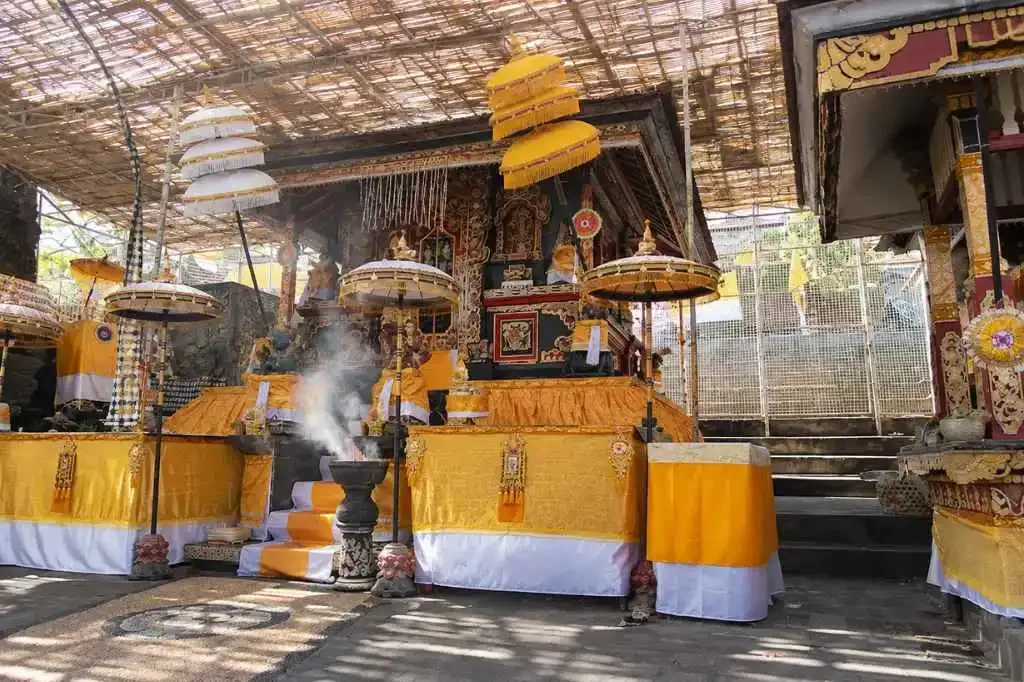
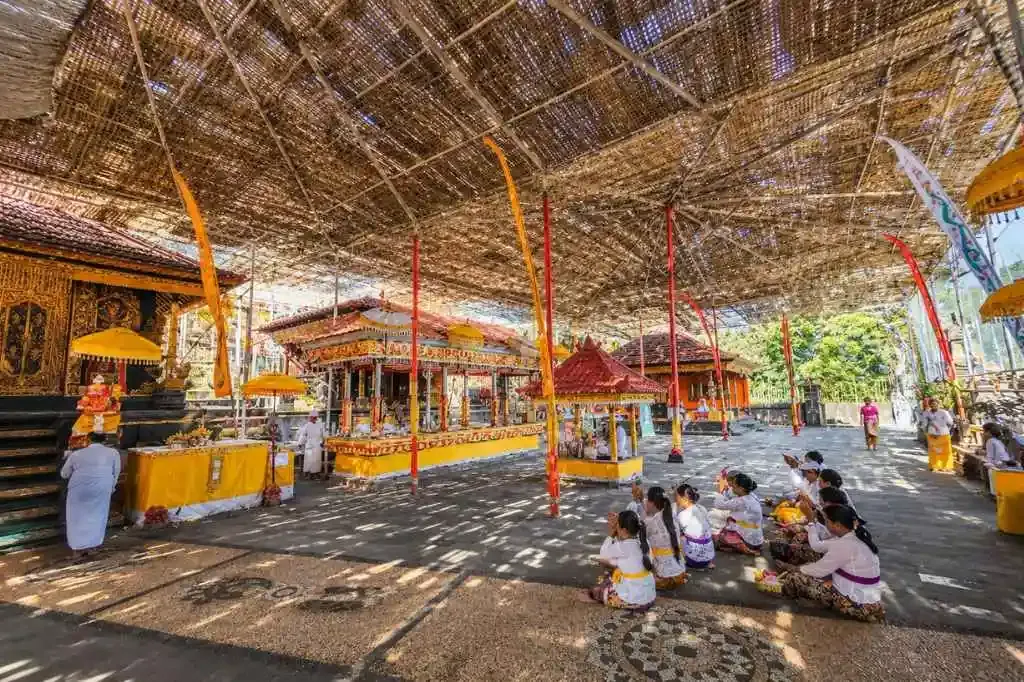
Although the temple structures underwent major restoration in 1984 using dark volcanic stone, the site preserves centuries-old spiritual traditions. Local believers also view the resident macaque troops as sacred guardians protecting the temple grounds from negative influences, and pilgrims regularly perform traditional offerings here.
Top Things to Experience at Pulaki Temple
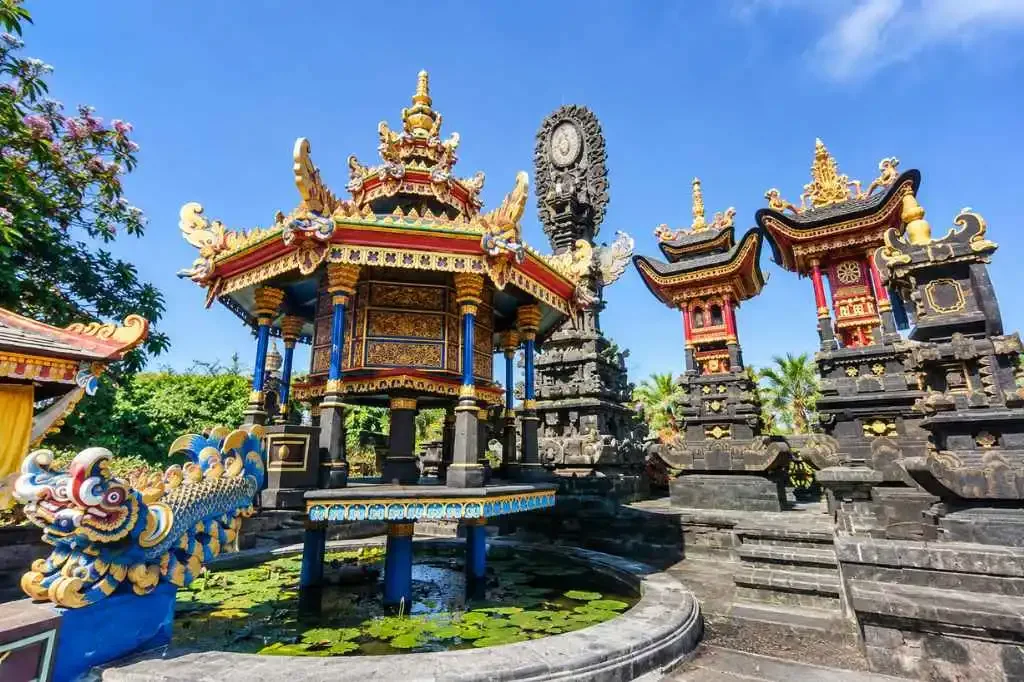
- Architectural Splendour: Marvel at the temple’s intricate stone carvings, ornate gateways, and towering pagodas, showcasing Bali’s unique architectural styles.
- Spiritual Significance: Experience the tranquillity and reverence of Pulaki Temple as you participate in traditional Hindu ceremonies and rituals.
- Aggressive Monkeys: Encounter the temple’s playful yet mischievous inhabitants, known for their lively antics and curious nature.
Best Time to Visit & How to Get Pulaki Temple
Plan your visit during the early morning between 08:00 and 10:00 or late afternoon after 15:30 to enjoy softer coastal light, cooler temperatures, and calmer conditions before midday heat radiates off the dark rock. Although Bali’s dry season from April to October ensures the clearest skies and easiest coastal driving, you can visit year-round outside restricted inner-sanctum ceremony hours. Located in Banyupoh Village, Pulaki Temple sits just five minutes east of Pemuteran, roughly 45 to 60 minutes west of Lovina Beach, and about 3 to 3.5 hours north of Kuta, Seminyak, or Ubud. Hiring a private car with an experienced local driver provides the most convenient transport option along the northern highway. Keep food, sunglasses and loose belongings out of reach of the macaques, and follow the temple attendants’ instructions.
Related Tours
Many international travellers explore northwest Bali’s coastal and wilderness highlights comfortably by booking our West Bali Trekking Tour or arranging custom private transfers with our local driver team. Because Pura Pulaki sits directly on the main coastal route toward Gilimanuk, adding a 30-minute cultural stop here pairs seamlessly with snorkelling, diving, or nature excursions in the region.
Other Tourist Attractions in North Bali
Explore the enchanting wonders of North Bali, including the majestic Gitgit, Sekumpul, Munduk, Carat, and Aling-Aling Waterfalls. Discover the serene beauty of Buyan and Tamblingan Lakes, marvel at the ancient Ponjok Batu Temple, unwind at Lovina Beach, rejuvenate at Banjar Hot Springs, and admire the picturesque landscapes of Busungbiu Rice Terrace.
Embark on a journey of exploration and discovery in North Bali, where every corner reveals a new adventure, and unforgettable experiences await.