Tenganan Pegringsingan Village
Unveiling the Enchantment: Tenganan Pegringsingan Village and Its Timeless Heritage
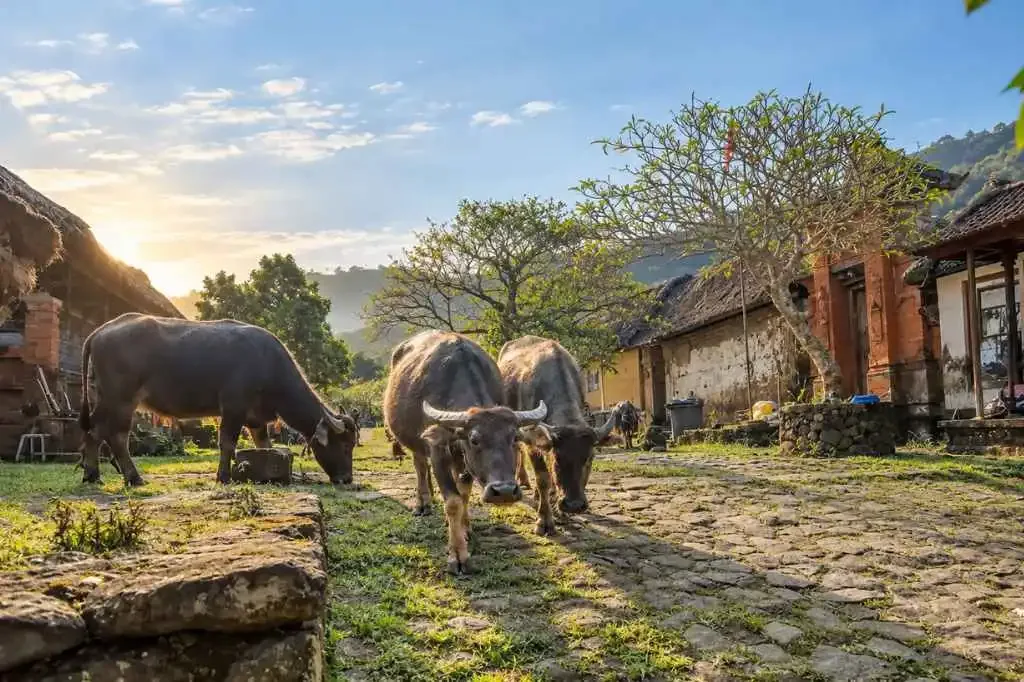
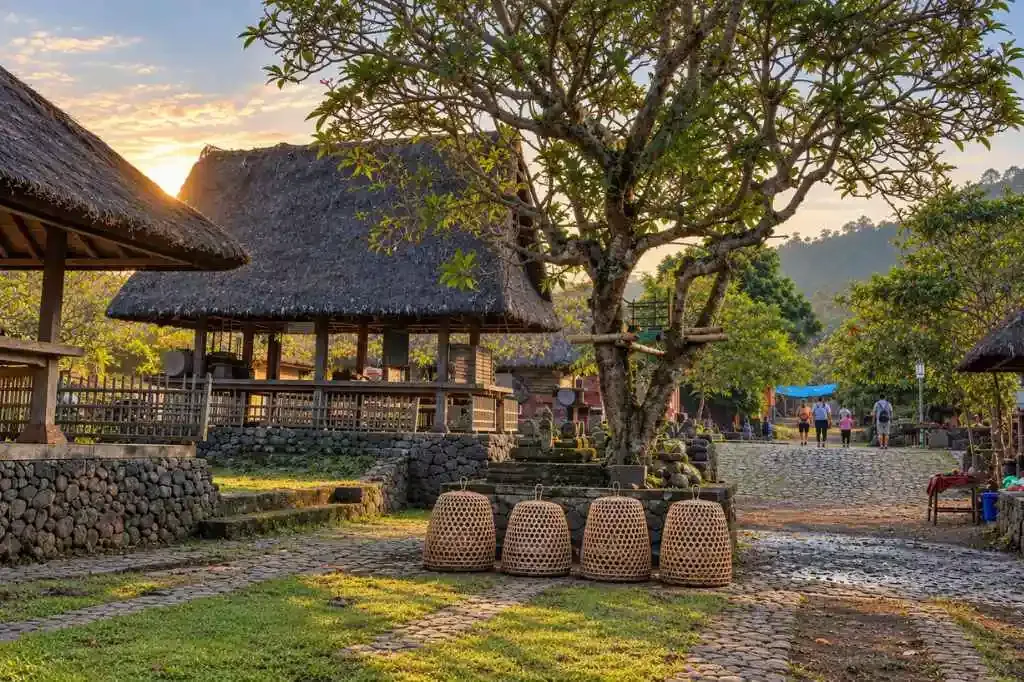
Tenganan Pegringsingan Village sits nestled inside a quiet, forest-lined valley in Karangasem Regency, preserving one of Bali’s oldest indigenous cultures. Locally respected as a premier Bali Aga settlement, this walled community maintains pre-Majapahit traditions, unique spatial layouts, and ancient social customs rarely seen elsewhere on the island. Unlike modern resort towns, stone gates enclose symmetrical rows of traditional homes, communal pavilions, and sacred shrines free from motorised traffic.
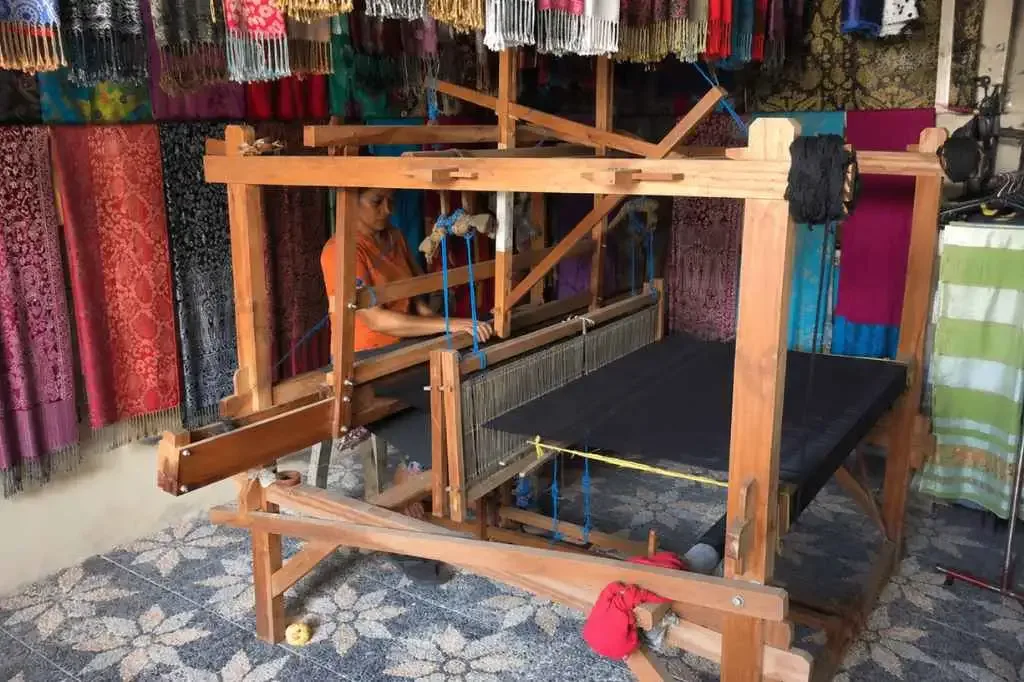
The village is also world-famous for producing rare Gringsing double-ikat textiles woven entirely by hand. Whether you want to watch master weavers at work, browse intricate palm-leaf manuscripts, or explore authentic East Bali heritage, visiting this historic settlement offers a deeply rewarding cultural encounter.



Quick Facts
- Traditional Bali Aga architecture
- Rare Geringsing double-ikat weaving
- Mekare-kare (Pandan War) ritual
- Traditional handicrafts and village life
- Cultural heritage and customary traditions
ABOUT TENGANAN PEGRINGSINGAN VILLAGE
General Information
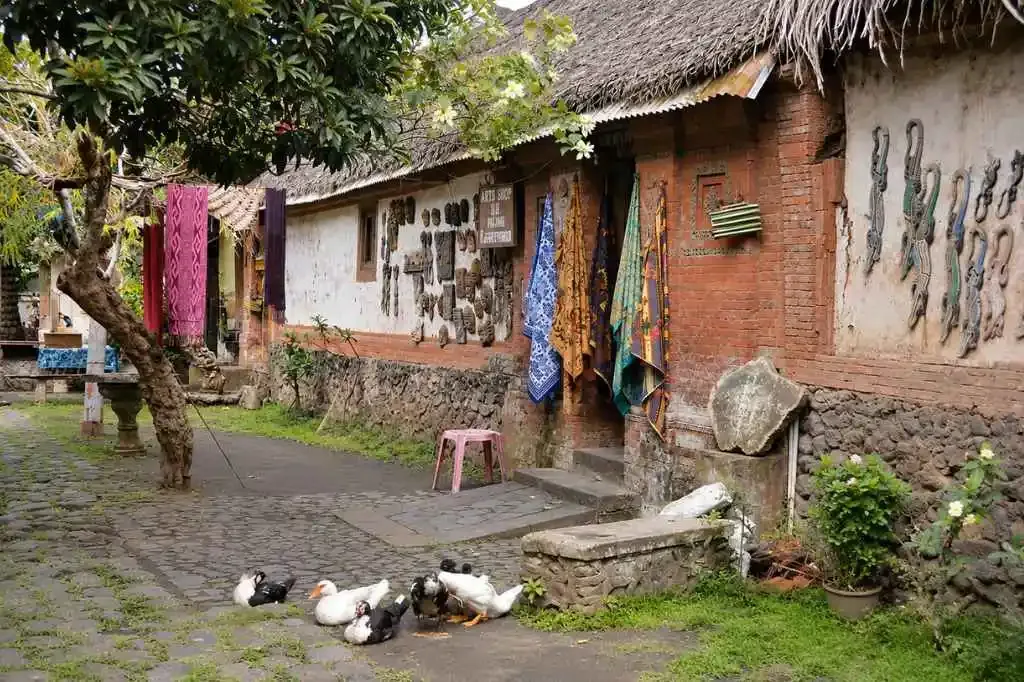
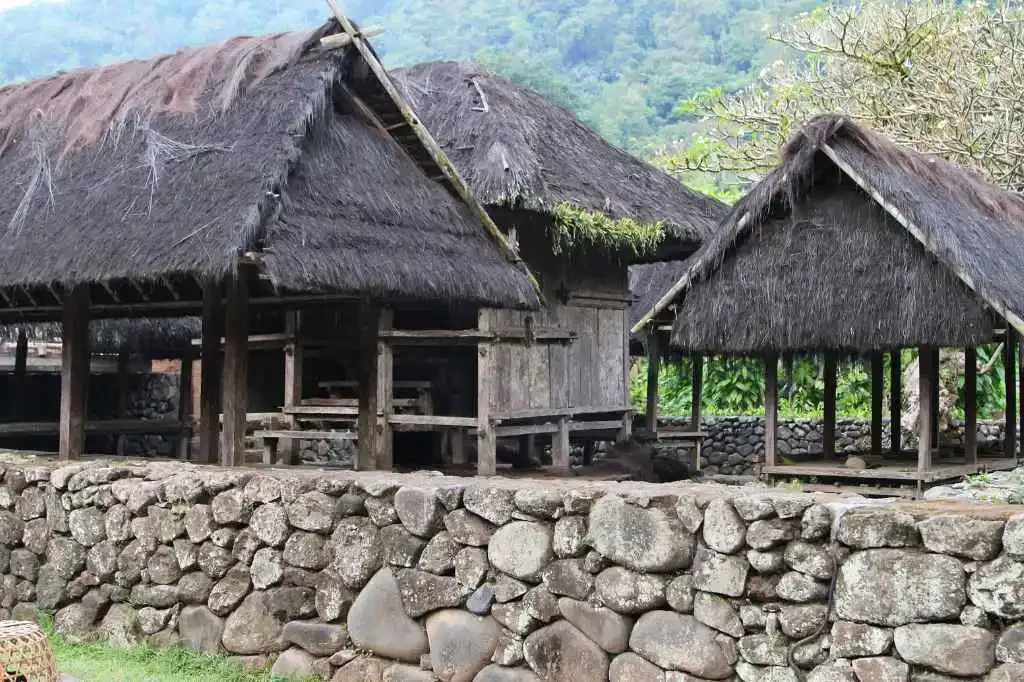
Tenganan Pegringsingan Village lies roughly five kilometres inland from Candidasa in Manggis District, framed by lush green hills and community forests. Inside the compound, wide cobblestone walkways connect uniform family houses, bale agung (communal meeting halls), and tiered granaries. Therefore, you can easily explore the public lanes on foot while admiring handmade textiles, woven baskets, and palm-leaf artwork. Meanwhile, convenient facilities near the entrance include parking spaces, public restrooms, food stalls, and souvenir kiosks. However, because this remains an active residential community, please dress modestly during your visit. Finally, always ask permission before photographing residents and respect private homes or ceremonial spaces.
History & Cultural Significance
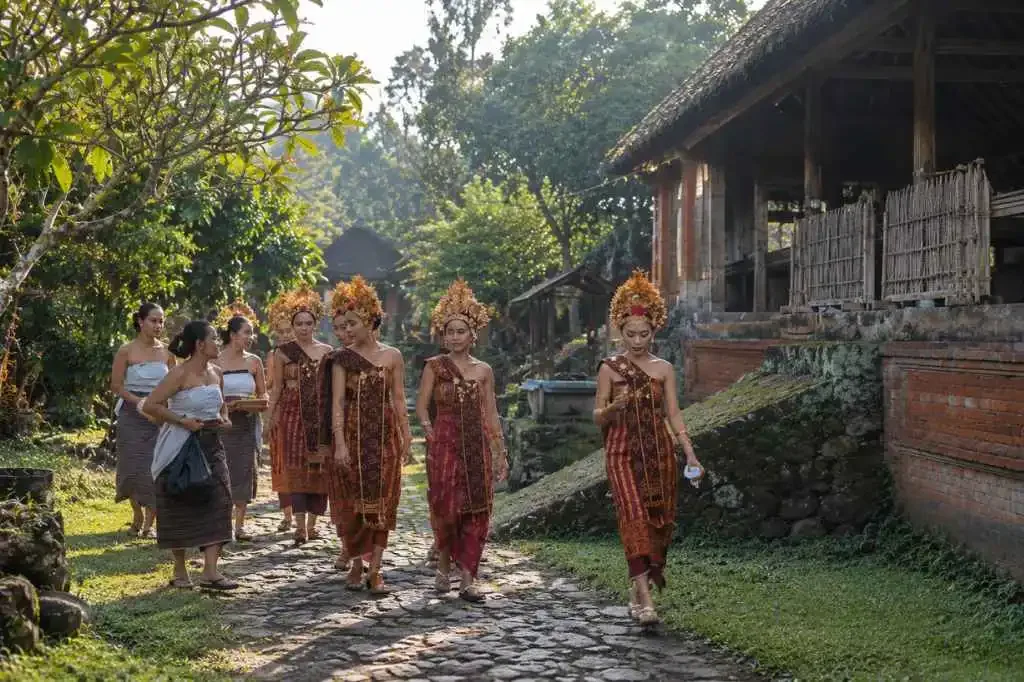
Tenganan Village Bali stands as one of Indonesia’s oldest intact Bali Aga (original Balinese) communities. Its roots trace back centuries before the 14th-century Majapahit arrival from Java. Moreover, strict customary laws called awig-awig govern daily life here. Under these rules, residents preserve communal land ownership, egalitarian leadership, and unique marriage customs.
Most notably, Tenganan is the only place in Indonesia where artisans weave Gringsing cloth. Master weavers use the demanding double-ikat technique. First, they tie and naturally dye both the warp and weft threads before weaving begins. Villagers believe these sacred textiles protect wearers from illness and harm, making them central to every local ritual.
Top Things to Experience at Tenganan Pegringsingan Village
- Watch Master Weavers Craft Gringsing Cloth: Step inside open family courtyards to observe local women operating traditional back-strap looms and learn about natural plant-based dyes.
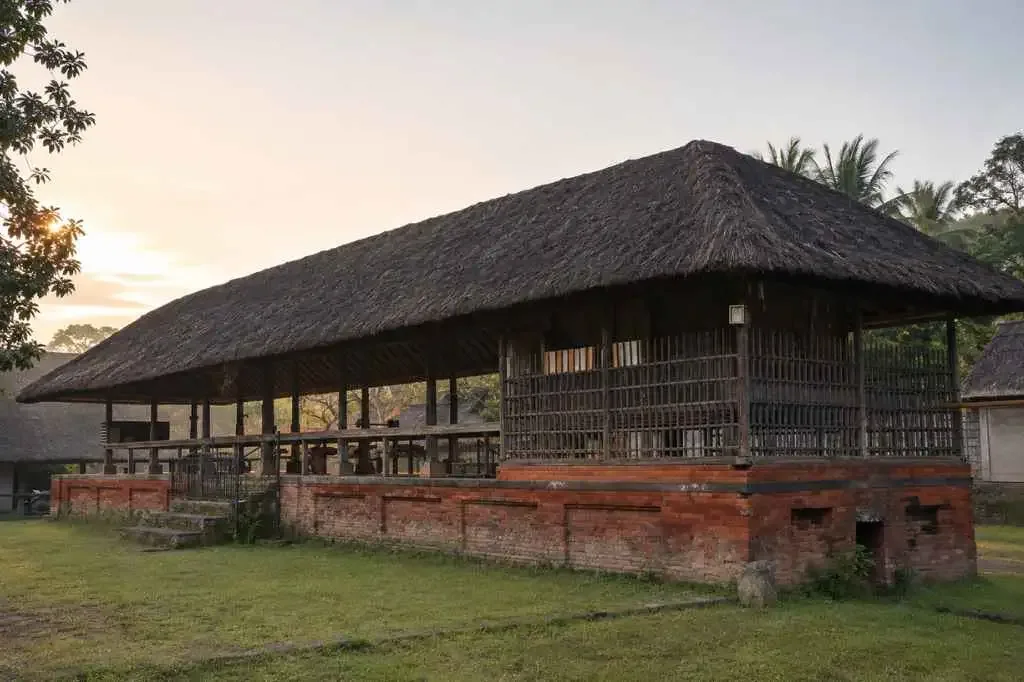
- Explore the Walled Village Architecture: Walk along the three parallel stone-paved avenues to admire uniform compound gates, thatched roofs, and communal ceremonial pavilions.
- Admire Intricate Lontar Palm-Leaf Art: Meet local artists engraving detailed Balinese mythology and calendars onto dried palm leaves using traditional iron styluses and candlenut soot.
- Browse Handmade Ata Grass Crafts: Shop directly from village artisans crafting durable woven baskets, bags, and coasters from wild forest vines.
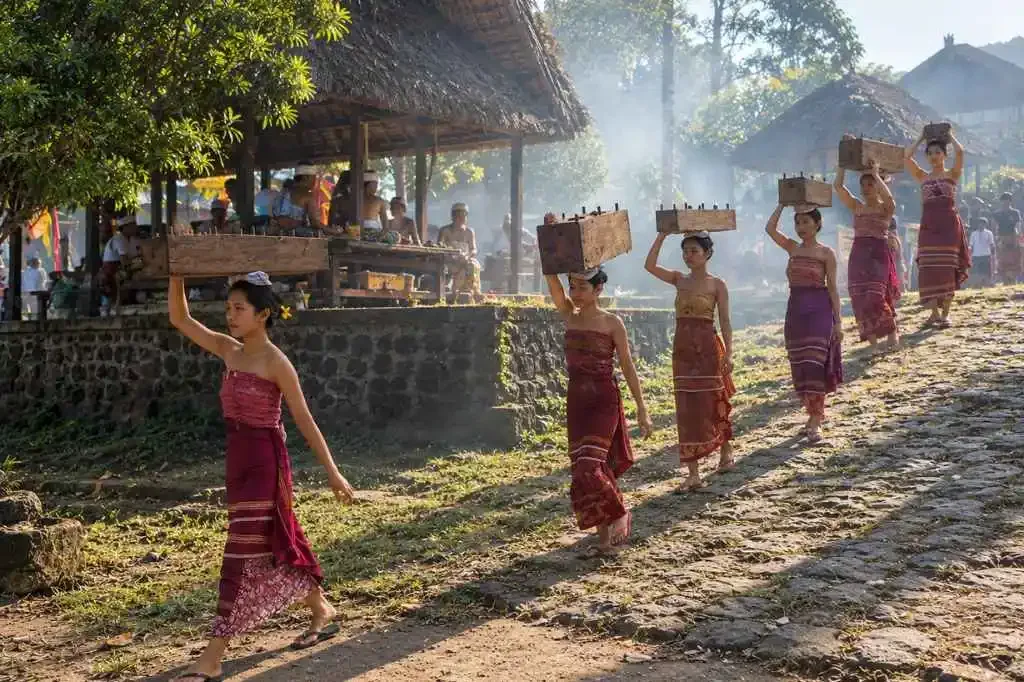
- Witness the Mekare-kare Festival: If visiting around June or July (based on the local lunar calendar), experience the famous ceremonial pandanus-leaf duels accompanied by ancient Gamelan Selonding music.
Best Time to Visit & How to Get Tenganan Pegringsingan Village
Morning is an excellent time to explore Tenganan Pegringsingan Village, when temperatures are generally more comfortable for walking and meeting local artisans. The village is around 10–15 minutes by car from Candidasa and approximately 1.5–2 hours from Denpasar or Ubud, depending on traffic. Private cars, hired drivers and organised tours provide convenient access, while visitors explore the village itself on foot. For those interested in Mekare-kare, the annual ceremony usually takes place around June or July, although exact dates follow the local ceremonial calendar and should be confirmed in advance.
Related Tours
You can easily pair your trip with other popular regional excursions:
- East Bali Tour
- Bali Ancient Village Tour
- Karangasem VW Safari Expedition
Contact our tour team today to customise your itinerary and claim exclusive booking deals.
Other Tourist Attractions in East Bali
Furthermore, you can discover many scenic landmarks across East Bali:
- Besakih Temple
- Candidasa Beach
- Bukit Jambul
- Karangasem Royal Palace
- Taman Sukasada Ujung
- Tirta Gangga Waterpark
- Virgin Beach
- Amed Beach
- Tulamben Beach
- Blue Lagoon Beach
- Putung Hill